



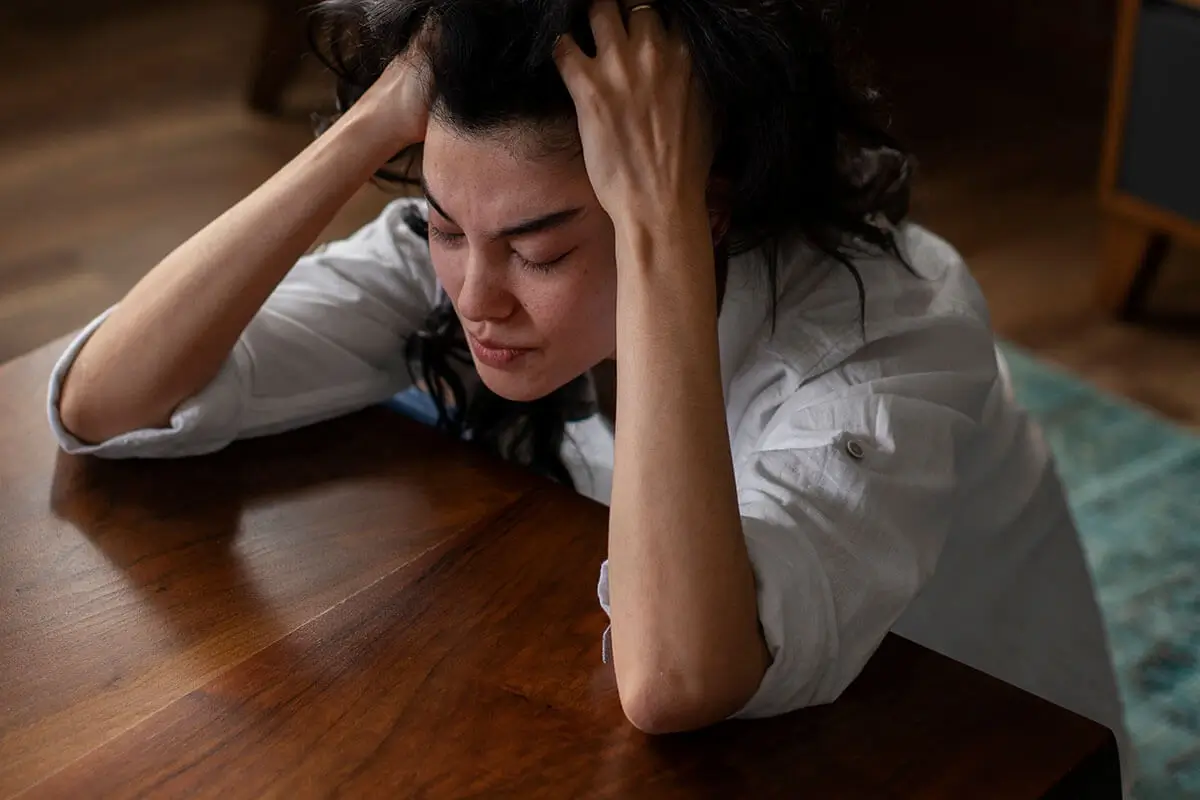
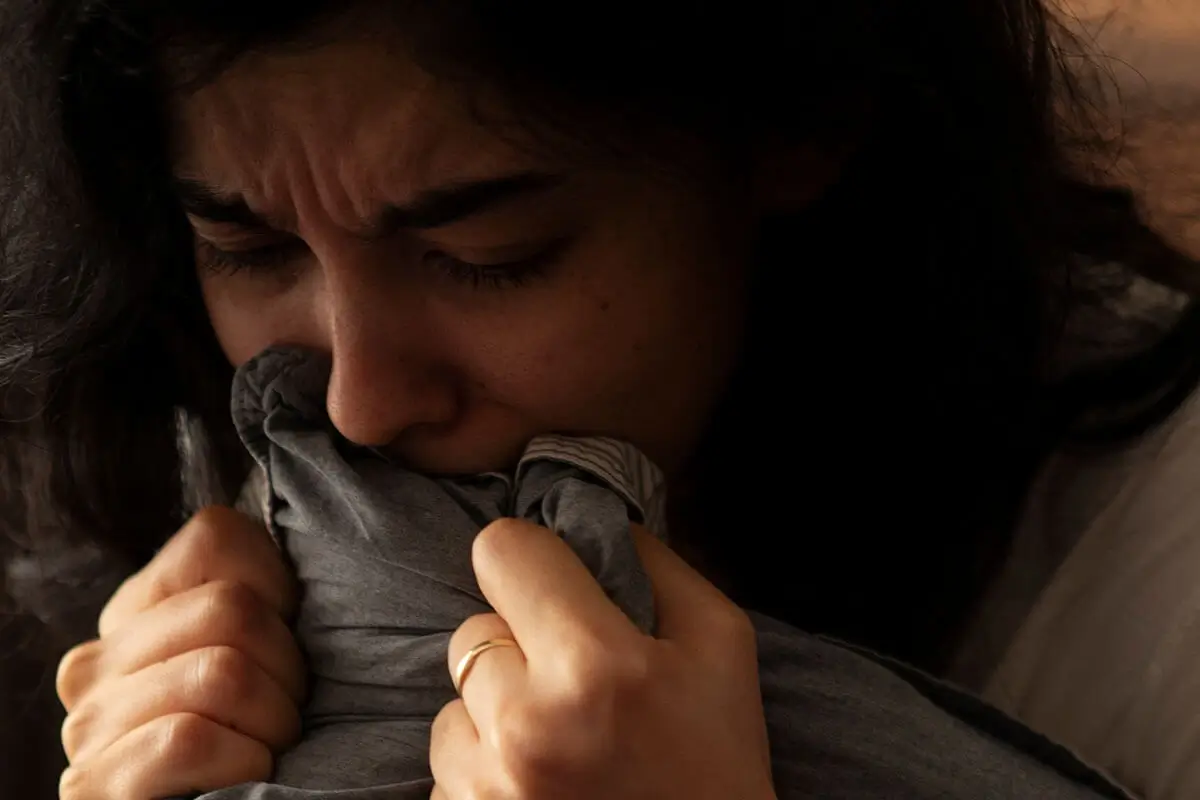

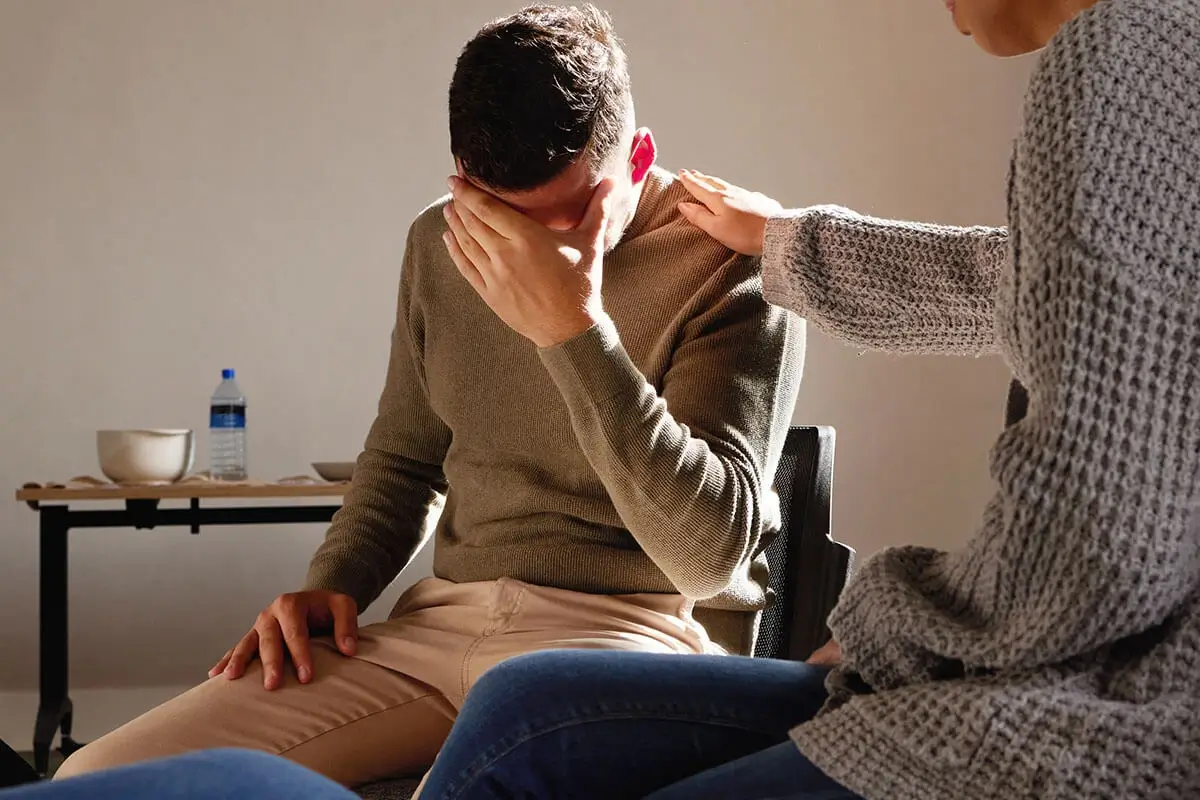

Have you ever experienced a sudden wave of intense fear and emotional distress during an exam, interview or public event? “What if I fail?” “What if I can’t fulfill my responsibilities?” — thoughts that may cause a racing heart, palpitations, shortness of breath or muscle tension? The event may be an anxiety episode, and it makes you exhausted. People also call it an anxiety attack. A subjective term that is not described in DSM-5 (Diagnostic & Statistical Manual of Mental Disorders).
An anxiety attack is a very real experience. An anxiety episode can be overwhelming. The person may feel confused, and isolated, especially when it strikes without warning. It’s not like a typical restlessness that many people feel occasionally. It often reoccurs in difficult situations or exposure to certain stressors.
An anxiety episode may provoke intense fear and worry related to a specific trigger or problem that develops gradually over time. It is paired with physical symptoms strong enough to disrupt your daily functioning. It often feels bigger than the situation calls for, and sometimes there’s no clear trigger at all. Unlike stress, an anxiety attack is a strong and ongoing condition that can last for hours or sometimes even days.
The term itself doesn’t appear in the DSM-5. Clinicians use “panic attack” instead, which has an actual diagnostic definition. In everyday conversation, “anxiety attack” tends to describe something that builds more gradually, while “panic attack” describes a more intense and abrupt spike of symptoms. If you’re in the middle of one, though, the label matters far less than knowing how to get through it.
A severe anxiety attack involves much more than feeling worried. Anxiety activates the sympathetic nervous system, which alerts the body by initiating the fight-or-flight response. The sympathetic nervous system prepares the body to react by increasing heart rate, palpitations, shallow breathing, muscle tension, and shortness of breath.
During a severe anxiety attack or anxiety episode, the amygdala (a part of your brain) overpowers the calming influence of the prefrontal cortex; as a result, the brain perceives a threat even when there is no intense threat or danger. The hypothalamus activates the fight-or-flight response, prompting the adrenal glands to release stress hormones such as adrenaline (epinephrine) and cortisol.
The release of adrenaline drives the fight-or-flight response. When you are scared or stressed, adrenaline quickly rushes through the blood and prepares the body to react to danger. Adrenaline increases the blood supply to muscles, such as arms and legs, while reducing blood supply to the digestive system and sexual organs.
Under normal circumstances, the adrenaline level rapidly comes back to normal once the threatening trigger goes away. However, in persistent anxiety, the adrenaline remains high and may contribute to more emotional and physical symptoms.
The signs of an anxiety attack may vary from person to person; however, the most common include:
Emotional signs of an anxiety attack include:
Anxiety attack symptoms often stem from chronic stress that builds quietly. Major life changes, a new job, relationship conflict, heath issues are some common triggers. Past trauma can leave distressing thoughts racing through the mind continuously and consequently can develop into anxiety triggers at some point in life, even long after the incident. Excessive use of caffeine, alcohol, and certain medications all play an important role in developing anxiety attacks. People with existing mental health conditions such as generalized anxiety disorder, panic disorder, or PTSD are at a higher risk of developing anxiety attacks.
The other anxiety attack causes may include:
Ground yourself. The 5-4-3-2-1 method works because it helps to focus back into the present: five things you can see, four you can touch, three you can hear, two you can smell, one you can taste. It interrupts the loop between anxious thoughts and physical symptoms.
Slow your breathing down. Anxiety pushes people toward fast, shallow breaths. Box breathing counters that directly: inhale for a count of four, hold for four, exhale for four, hold for four. Repeat until anxiety settles down. It signals to the nervous system that the danger has passed.
Name what’s happening. Saying to yourself, even silently, “this is an anxiety attack, it’s going to pass.”. Labelling the symptoms for what they really are helps to keep an anxiety episode manageable.
Change your surroundings if you can. A quieter, less crowded space reduces sensory overload and gives the nervous system less stimulus to react to.
Resist the urge to flee entirely. Leaving a situation the moment anxiety spikes feels like relief in the short term, but doing it repeatedly teaches the brain that the situation really was dangerous. Staying present, when it’s safe to do so, and letting the wave pass tends to help more in the long run.
Most people need more than one strategy. Your mental health specialist evaluates your symptoms, understands your history and underlying medical conditions, and then recommends an anxiety attack treatment plan that suits your specific needs.
Cognitive behavioral therapy remains one of the most effective treatments available, as it targets the unhelpful thought patterns and reframes them into positive ones.
Exposure therapy helps when anxiety attacks appear related to specific places or fears.
Anti-Anxiety Medications may be prescribed to patients with severe anxiety symptoms.
Social support groups can encourage discussion with people living with similar challenges.
People experience anxiety in different ways. If you start avoiding specific places or certain situations, or if a severe anxiety attack starts disrupting your daily life and makes you overwhelmed, it may be a sign to seek professional help. The good news is that anxiety is a highly treatable condition. In fact, many people find adequate relief after having proper treatment.
Mid Cities Psychiatry, a JCAHO-certified facility, provides modern yet evidence-based treatments for various mental health conditions. After a thorough understanding of your anxiety symptoms, causal root factors and triggers, our team of mental health specialists provides professional care and structured support that helps you manage your anxiety and achieve long-lasting wellness.
Ground yourself. The 5-4-3-2-1 method works because it helps to focus back into the present: five things you can see, four you can touch, three you can hear, two you can smell, one you can taste. It interrupts the loop between anxious thoughts and physical symptoms.
Slow your breathing down. Anxiety pushes people toward fast, shallow breaths. Box breathing counters that directly: inhale for a count of four, hold for four, exhale for four, hold for four. Repeat until anxiety settles down. It signals to the nervous system that the danger has passed.
Yes, chronic stress may turn into anxiety and cause distress. When stress becomes prolonged and persistent, it can trigger feelings of fear and worry.
Yes, an anxiety attack can cause panic. In anxiety, the nervous system activates the fight-or-flight response, with physical symptoms such as rapid heartbeat and chest pain, which are common symptoms of panic attacks.
Unhealthy eating habits, excessive use of alcohol, social isolation, lack of physical activity, and repeated exposure to stress-related content may be major contributing factors to anxiety attacks. For some people, lack of sleep, caffeine, or stressful situations can become an anxiety trigger.
Anxiety attacks affect the functions of the brain, so simple advice does not work. Patiently deal with the person who struggles with anxiety, listen to what they are saying, and understand their feelings rather than confront them. Taking them to a mental health expert is the best way to help someone with an anxiety attack.
Anxiety attacks can develop due to different reasons. One individual may struggle with intense fear of an accident, while another may suffer from fear of losing a loved one, which may lead to a sudden panic attack striking without warning. Anxiety attacks often occur in uncertain situations where you predict your future with unpleasant scenarios: what if I o blank during an interview, or what if my illness doesn’t heal? Such thoughts may disturb your peace of mind and eventually develop into an anxiety attack at some point. These feelings often seem unmanageable, but it is important to remember that living through such episodes alone is sometimes harmful and impacts your overall quality of life. It is recommended to seek professional support as soon as you realize that certain symptoms have started to affect your everyday life. Anxiety is the most common mental health condition, and many effective treatments help to control and manage anxiety attacks. With the right support and proper care, anxiety can be treated completely.

Medical & Clinical Educator
Dr. Sacha Cohen is a healthcare professional and medical content writer with experience in clinical training and academic writing. She specializes in creating research-based, accessible healthcare content. With a foundation in medical education and hands-on clinical practice, she brings depth and clarity to every piece she writes. Passionate about making medical knowledge understandable, she aims to educate and inspire her readers.

Dr Seema Kazi is a board-certified psychiatrist and a proficient Medical Director of Mid Cities Psychiatry at Euless, Texas.

Founder & Medical Director
Dr. Seema Kazi is the compassionate force behind Mid Cities Psychiatry, where her vision has shaped a practice rooted in empathy, excellence, and patient-centered care. As a triple board-certified psychiatrist in Psychiatry, Geriatric Psychiatry, and Internal Medicine, Dr. Kazi brings over 20 years of clinical experience to her leadership role.