

Social Anxiety

What is Social Anxiety

What is Social Anxiety?

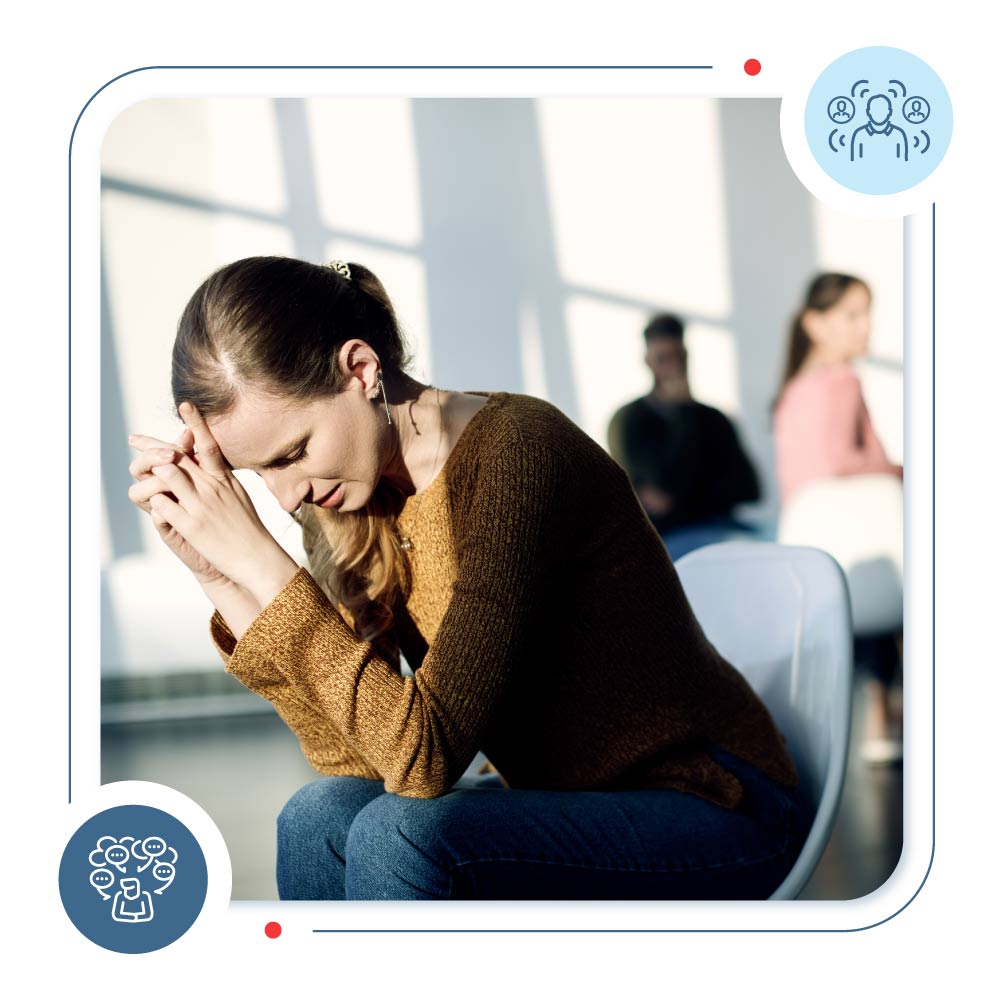
Social Anxiety disorder, also known as social phobia, is an anxiety disorder in which a person develops fear of social situations and being judged by others. A person with social anxiety disorder commonly worries about one or more social gatherings, due to fear of being negatively evaluated. The condition can severely disrupt daily activities, including work and relationships. It can make simple interactions like family gatherings, meeting new people, being the center of attention, and participating in group discussions.

The condition is widespread globally, and according to the Anxiety and Depression Association of America (ADDA), around 15 million people, which is 7% U.S adults, are diagnosed with social anxiety disorder each year. It can make simple interactions, such as speaking in public, meeting new people, or even attending social gatherings, feel overwhelming.

Anyone can develop social anxiety disorder regardless of gender and age; however, it typically starts in early ages and adolescence and is more common among women. According to the National Institute of Mental Health (NIMH), women are about twice as likely as men to experience social anxiety disorder.

At Mid Cities Psychiatry,our dedicated team helps you provide proper psychiatric evaluation and appropriate treatment for social anxiety disorder. Call us or schedule an appointment to explore how to access our social anxiety disorder treatment in Euless, Texas.

Social Anxiety Symptoms

The symptoms of social anxiety disorder go beyond feeling nervous. Unlike shyness, social anxiety affects people long before the event. It often affects both physical and emotional well-being, making it hard to manage daily life. People with social anxiety disorder may avoid situations that require interaction. Recognizing the symptoms early can help in seeking treatment before they worsen. Common social anxiety symptoms include:

  • Worrying every day for weeks before attending an event
  • Fear of social interactions (Having conversations, meeting new people)
  • Fear of being judged or observed (Such as eating or drinking) 
  • Difficulty speaking or making eye contact
  • Overthinking, especially about encounter situations
  • Fear of social gatherings and public speaking
  • Stage Fright


Physical symptoms

  • Trembling
  • Sweating
  • Rapid heart rate
  • stomachache

According to the Diagnostic Statistical Manual of Mental Disorders (DSM-5), the symptoms should be persistent and may last typically for 6 months or more, and cause significant distress in important areas of functioning.

Social Anxiety Symptoms
What Causes Social Anxiety

What Causes Social Anxiety?

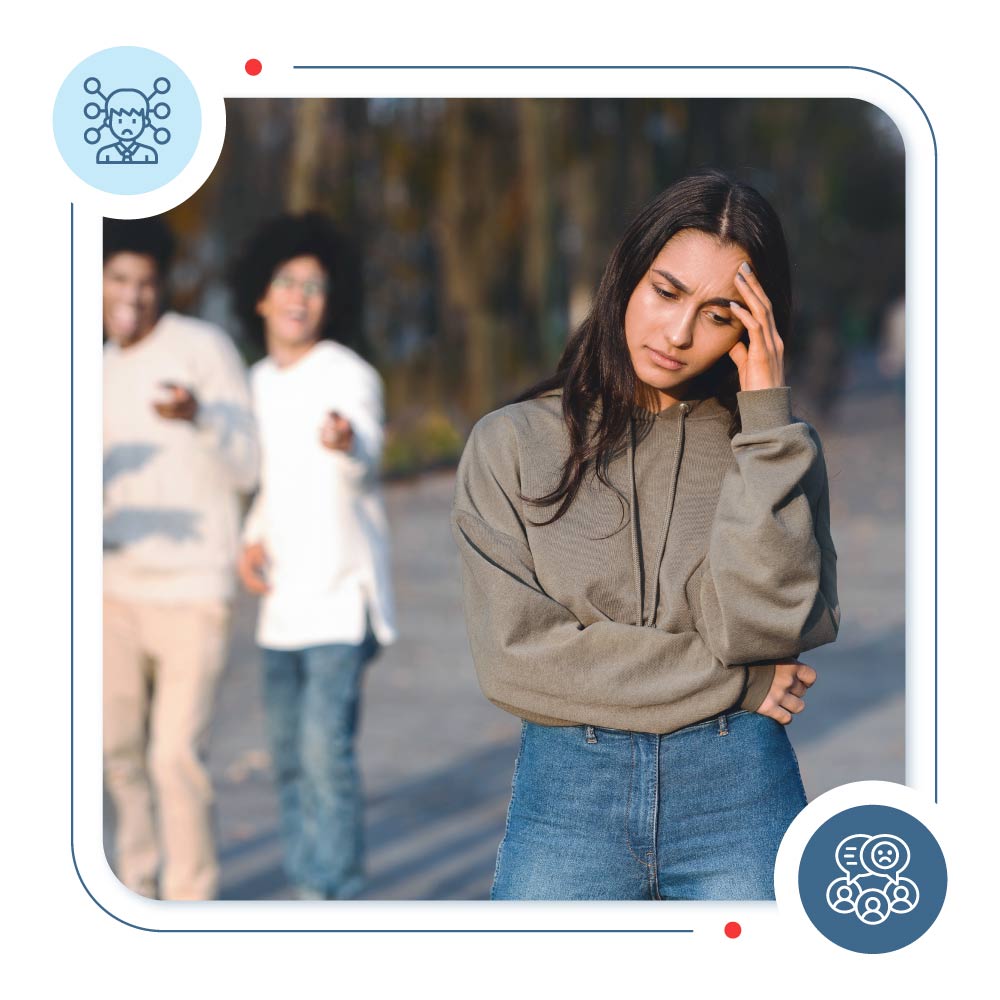
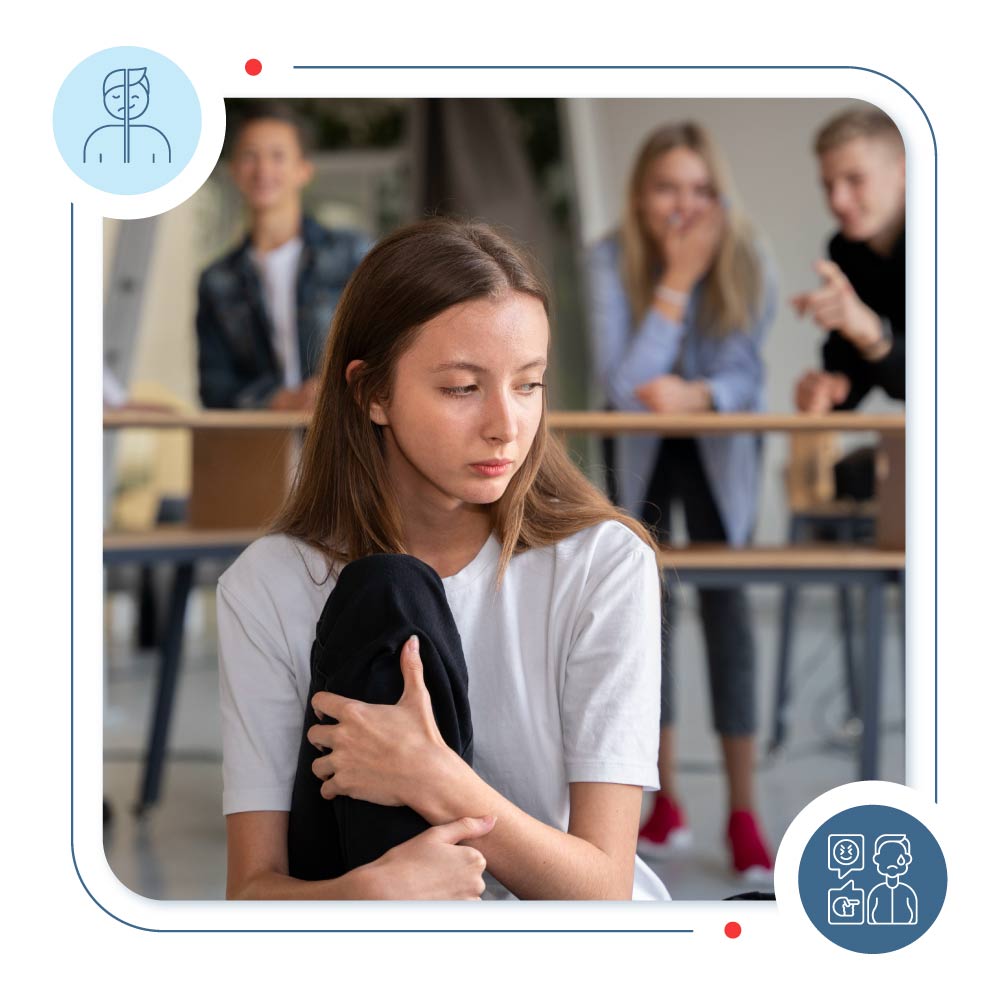
Social anxiety disorder can develop from a combination of factors such as genes, environmental factors, and psychological factors. While some people may be predisposed to anxiety due to family history, others may develop it after negative social experiences. such as being bullied or tortured by others. Stressful environments, personality traits, and brain chemistry also play a significant role. Below are the common causes:

  • Family history or genetics
  • Overactive amygdala (fear response center in the brain)
  • Negative experiences, such as bullying or rejection
  • Parenting styles (overprotective or controlling parents)
  • Learned behavior from socially anxious role models
  • Stressful life events or major changes
  • Existing stress and anxiety conditions
  • Physical or sexual abuse

Children with social anxiety disorder may express their feelings differently from adults. Crying, throwing tantrums, freezing, shaking, avoiding peers, stomach aches, headaches, difficulty making friends, lack of confidence, and outbursts are common symptoms among children.

Types Of Social Anxiety

Some individuals may struggle with persistent fear and anxiety in most social settings; however, some individuals struggle only with particular situations. Social anxiety disorder appears in different ways according to the situation, but the Diagnostic Statistical Manual of Mental Disorders (DSM-5) lists only two types. Understanding the types of social anxiety can help in identifying the right coping strategies.

  • Generalized Social Anxiety Disorder: A person with this type of anxiety may experience excessive anxiety or worry about events or social gatherings, such as interacting with people and attending events.
  • Specific (Performance-Only) Social Anxiety Disorder:  A fear may be triggered with specific social activity, such as public speaking or eating in front of others.
Types Of Social Anxiety
Social Anxiety Treatment

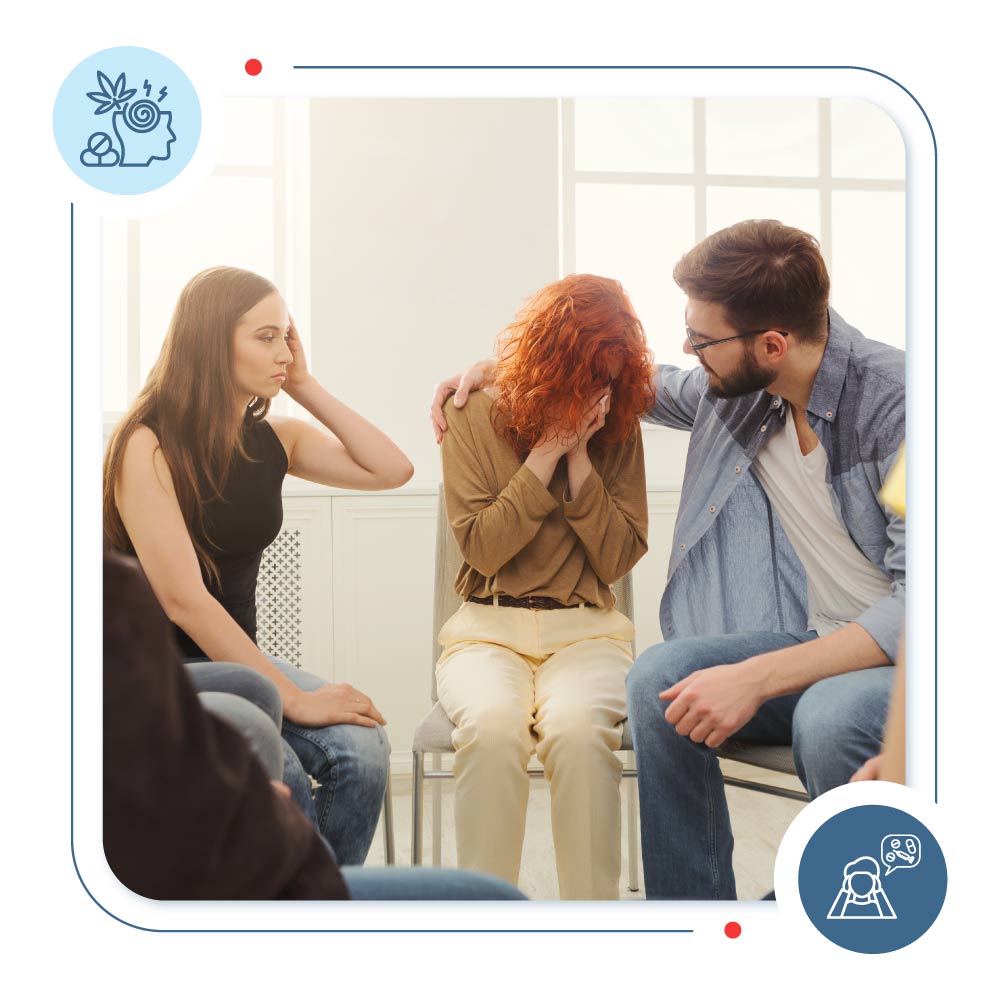
Social anxiety disorder is highly treatable. The team of highly professional and dedicated mental health specialists at Mid Cities Psychiatry offers a variety of treatment options that help individuals manage symptoms. With personalized care and professional guidance, people can learn coping strategies and gradually overcome their anxious thoughts and fears.

Mid Cities Psychiatry provides several treatments for social anxiety disorder, including:

  • Medication

Children with social anxiety disorder may express their feelings differently from adults. Crying, throwing tantrums, freezing, shaking, avoiding peers, stomach aches, headaches, difficulty making friends, lack of confidence, and outbursts are common symptoms among children.

Social Anxiety FAQ's

01

When does social anxiety develop?

The average age of onset of social anxiety disorder is childhood and adolescence. However, the median age for onset is 13 years.

02

How to know if you have social anxiety?

If you have persistent feelings of anxiety and fear when surrounded by social situations, with the tendency to withdraw from social gatherings, it can be marked as social anxiety disorder.

03

Are you born with social anxiety?

Yes, genetics plays an important role in developing social anxiety. However, it is also observed that social anxiety is more likely to be a result of environmental and psychological circumstances.

04

What situations typically trigger social anxiety?

The most common triggers are public speaking, interviews, group discussion, social gatherings, meetings with unfamiliar people, and situations in which one is being observed or is performing.

Real Stories, Real Recovery

Lady J
Lady J
I’ve been going to Dr. Kazi since 2015 and she has helped me get through a lot of my hardest times. When I came to her in 2015 my mind had taken over my body and my life. She got me through it. She is caring, professional and excellent at her God-given gift as a Psychiatrist. Thanks, Dr. Kazi for giving a part of yourself to many daily. You are a true Blessing to many.

Barbara P
Barbara P
I have been a patient for two years. Every staff member has been outstanding. Amanda Bell is a blessing. She is compassionate, and sincere, listens intently and is always able to calm me and help me focus and get the most from my treatments. Dr Kazi has been available whenever I need help. She is on top of my care and aggressively monitors my progress. I came to her suffering major depression and overall a mess. My mental health has substantially improved under her care and she is continuing to help me reach and maintain even higher levels of health. The office does have strict policies but everything is clear and patients are well informed at all times. The guidelines are appropriate and reasonable. I highly recommend this mental health clinic

Kala A
Kala A
Fantastic staff and providers, excellent services, amazing care, compassionate professionals, timely prescription refills, and a calm atmosphere. What more could you ask for?

Reahanna D
Reahanna D
I have had amazing experiences with this business, both on the medical and business side. Any issues I've experienced with billing have been handled gracefully and with patience; the staff are very easy to talk to and are understanding. I LOVE PA Hofer; she (and other staff) are always very quick to answer online Portal questions, are very flexible with visits, understand when it comes to medication costs/changes, and go the extra step when it comes to evidence-based practice.
Deepika T
Deepika T
I've been taking my mom to Dr. Kazi for the past 17 months and we still go. She is an amazing physician and her staff is very warm and welcoming. She has helped my mom when mom needed her the most. If it was not for Dr. Kazi's, I don't know what would have happened to my mom. I am so grateful to her. The bonus is her staff is awesome. Very response to emails and phone calls. Amanda is amazing!! I can't thank Dr. Kazi enough!!

We provide a comprehensive care provision for the most common mental issues people struggle with, such as PTSD, ADHD, OCD, anxiety, depression, sleep disorder, schizophrenia, and numerous other mental health conditions.

Subscribe to Our Newsletter