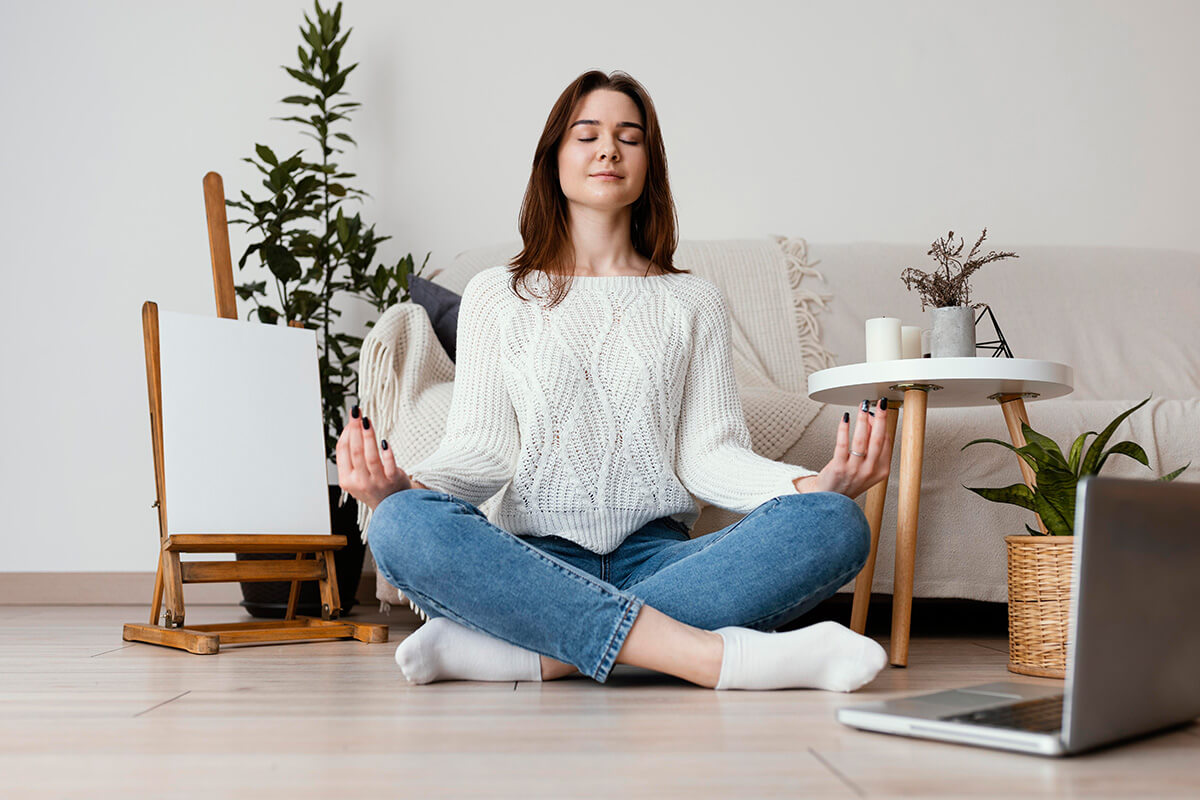
Benefits of Meditation and Mindfulness: From Stress Relief to Improved Mental Health

Meditation is a global practice that has been used to enhance focus, emotional awareness, and overall well-being. People use meditation to manage mental health issues and increase concentration. Meditation offers numerous benefits. It not only helps in reducing stress but also works on emotional regulation. Research indicates that mindfulness-based practices positively affect brain function, lower stress hormone levels, and contribute to an improved quality of life. Studies suggested that meditation reduces stress and positively affects brain function, and has a positive effect on mental and physical health.  Moreover, positive thoughts impact our body’s immune health. So, meditation has a significant effect on our body and our mind

Table of Contents
What is Meditation

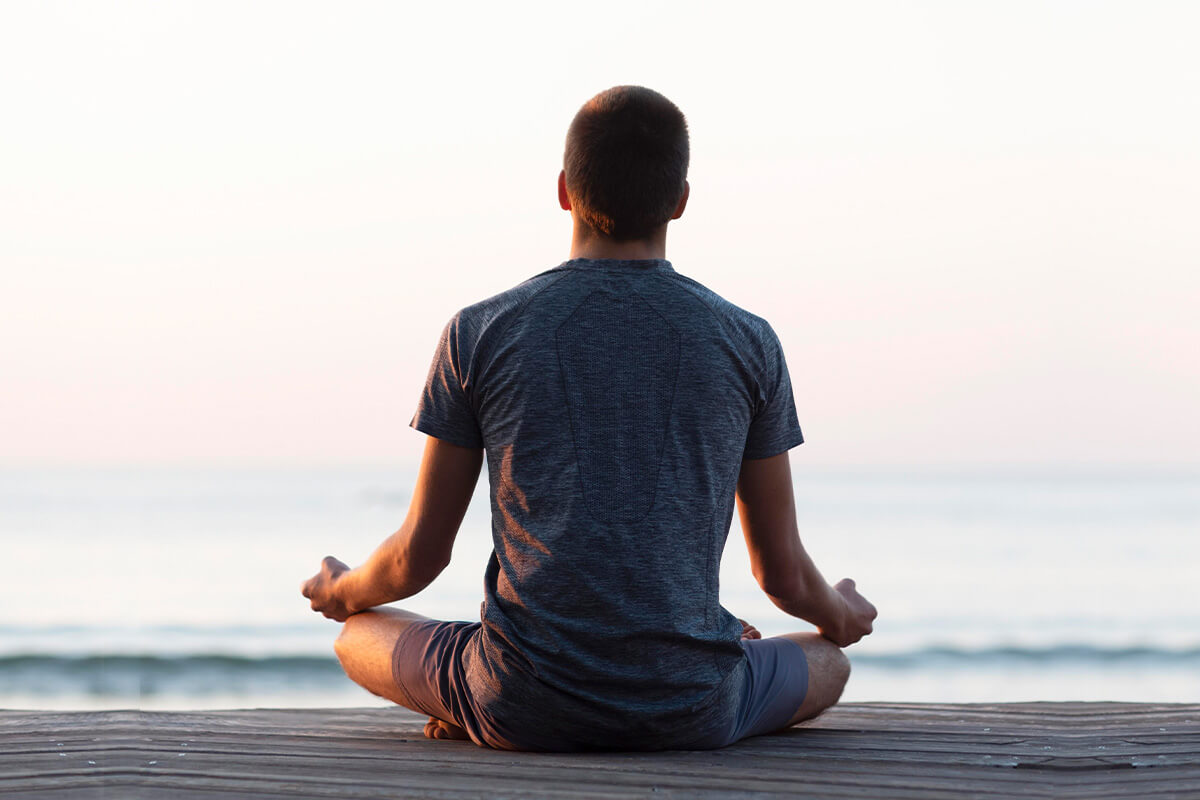
What is Meditation?

Meditation is a mental exercise that comes under the category of relaxation techniques. Meditation is also described as   set of self-regulation practices that aim to bring mental processes under greater voluntary control. It helps to calm the mind and body, lowering blood pressure, reducing heart rate, and strengthening immunity and pain management.
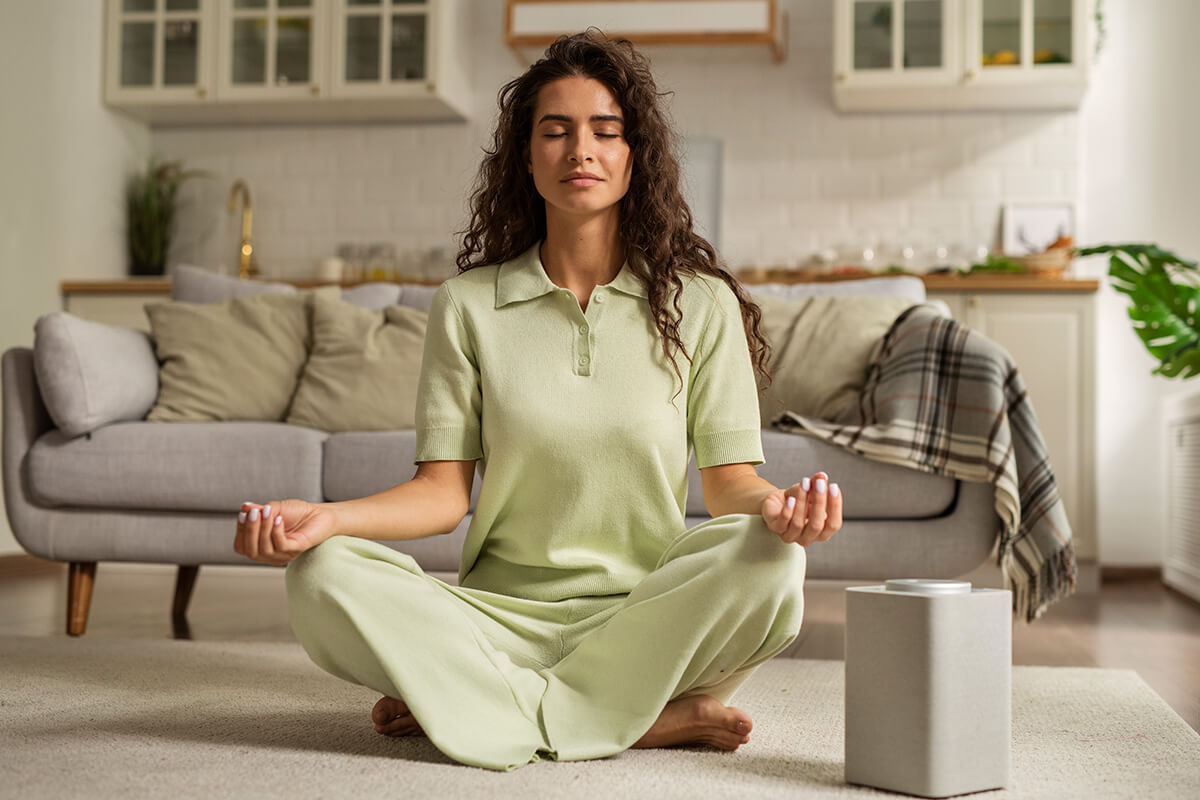

Types of Meditation

Mindfulness Meditation

Mindfulness meditation is the practice of focusing on your breath and observing your thoughts without judging them. Instead of trying to push the thoughts away, you are calmly observing them and returning to the present moment. The practice simultaneously promotes self-awareness, minimizes stress, and enhances self-awareness.

Guided Meditation

Guided meditation can use a teacher or a recording, or an app to guide you through relaxation activities. It often involves visualizing peaceful things, repeating positive affirmations, or using relaxation techniques such as deep breathing. This type of meditation is particularly useful for beginners. Guided meditation helps to reduce anxiety and develop concentration.

Types of Meditation

Mantra Meditation

Mantra meditation is the repetition of a word, a sound, or a phrase, like “om,” to keep out unwanted thoughts. Repetition provides a rhythm and focus, and cuts down the external distractions.

Loving-Kindness Meditation

It’s also called Metta meditation and involves the development of feelings of love, compassion, and kindness towards others and oneself. It mostly consists of the repetition of such phrases as “May I be Happy; may you be safe.” In the long run, it reduces negative emotions, controls anger, and enhances empathy and a connection to others.

Body Scan Meditation

Body scan meditation is a guided body exercise that involves scanning body parts to relieve pain.  It is used to relax muscles, enhance body awareness, reduce tension, and most of the time it is performed before sleep.

How to Meditate: Step-by-Step Micro Guide

How to Meditate: Step-by-Step Micro Guide

Find a Still Place

Select a quiet place where nobody can distract you. Sit on a chair or cushion, or even on the floor. Keep a straight and relaxed back.

Close Your Eyes, Relax

Close your eyes. keep yourself calm and make your body comfortable.

Focus on Breathing

Feel your chest go up and down or simply notice inhale and exhale.

Acknowledging Your Thoughts

You will find your mind distracted towards negative thoughts, and that is perfectly normal. Let it happen and then turn your attention gently back to your breath.

End Slowly

A minute before you open your eyes, appreciate yourself for taking out some time for yourself.

What Are the Benefits of Meditation?

Over the past few years, meditation has grabbed the attention of researchers. People often do meditation work, and the answers are quite impressive. Whether it enhances focus and promotes mental clarity, meditation provides improvements in mental and physical health. Incorporating meditation into your daily routine can make a difference in long-term change.

The benefits of meditation go far beyond just being a relaxation technique. Millions worldwide are meditating to reduce stress, anxiety, and mental health issues, but science shows a deeper benefit. The core concept of meditation is to train the mind to redirect attention, focus on positivity, promote mental clarity, and improve physical and mental health.

If you are still confused and want to know more about the benefits of meditation, here are 20 most powerful reasons why mindfulness is worth incorporating into your life.

What Are the Benefits of Meditation?
15 Powerful Benefits of Meditation that You Need to Know

15 Powerful Benefits of Meditation that You Need to Know

Lowers Stress Level Naturally Stress is among the best-documented benefits of meditation. Stress elevates the presence of cortisol, a stress hormone that can impact sleep, digestion, and the immune system. Regularly practicing meditation to overcome stress will stimulate the relaxation response to boost the blood pressure and the nervous system. Whether it’s work-related issues or personal problems, practicing meditation can help you manage overwhelming thoughts, reduce work stress, and cope with personal challenges. It could be work-related issues or even personal problems, but whenever you feel overwhelmed with thoughts, practice meditation to overcome work stress and cope with personal problems. Research has also shown that meditation lowers burnout. By incorporating meditation as a regular practice, you are not only improving stress levels but also developing a healthy mindset.

Enhances Attention and Focus

In this chaotic world, where everyone is chasing something without focusing on a single task, meditation helps you to stay focused, be mindful, and keep yourself calm.

Meditation can significantly improve your brain performance. It helps to strengthen the nervous system, which allows you to concentrate better on a task. This is one of the most significant health benefits of meditation, as it can bring you clarity and increased effectiveness in both your personal and professional life.

Promotes Good Mental Health

Meditation can promote mental health by reducing stress and promoting self-awareness. Research has shown that meditation reduces the symptoms of depression, anxiety, and other mood disorders.

By practicing daily, meditation can strengthen brain areas that are responsible for emotional regulation. Research proves that meditation can significantly affect the thinking process. It decreases negative thinking and promotes positivity.

Improves Sleep

Constant stress and overthinking are the main culprits of Insomnia and sleep problems. when a person is under stress, the brain releases cortisol (a stress hormone), which keeps the body alert and makes it difficult to fall asleep. Studies suggest that meditation can help relax the mind and regulate the release of stress hormones. Quality sleep elevates mood, boosts memory, and supports overall health—making meditation a natural form of medicine.

Reduce Anxiety

Meditation helps people to think more positively about themselves, making it a more effective approach for anxiety relief.

A study in the Journal of Clinical Psychiatry reported that 93 individuals were diagnosed with Generalized Anxiety Disorder. One group was treated with Mindfulness-based stress reduction, and the other group was treated with stress management education. Both groups showed positive results in stress reduction, but people with mindfulness meditation showed greater improvement in managing anxiety and stress.

Boosts Emotional Resilience

Life is a test; challenges await at every step. The one who smartly takes the challenges of life will pass them with distinction. The most important part is to protect our mental health, and meditation helps us restore balance by reducing negative effects. instead of reacting, meditation helps us to manage the stress symptoms and deal with the situation patiently. This is especially valuable for people using meditation techniques for work stress or relationship struggles. Meditation can boost your happy hormones, which are serotonin (regulates sleep, elevates mood, and promotes lasting happiness) and dopamine (boosts motivation, supports focus, and maintains hormonal balance).

Increase Efficiency

Meditation works wonders for your brain. It trains your brain to stay active by making new pathways in the brain and restoring the old ones. This helps to promote focus, enhance memory, lower stress, and increase creativity. People usually practice meditation before an important event, such as before a meeting, exams, or a job interview, to get a better idea of what they need to do.  It helps people to stay calm and productive. Mindfulness boosts brain activity in areas linked to creativity and flexible thinking.

Improves Self-Awareness

Meditation teaches you not to judge your thoughts and feelings. It doesn’t mean you are stressing yourself over stopping the thoughts; it means to let them pass without judging them. This helps you to identify the negative thoughts and turn them into positive ones. It feels like taking a step back and seeing your life as a story from the outside, helping you understand yourself better. One of the meditation benefits is that it reduces self-criticism and enhances self-awareness.  It makes you more connected to other people, helping you to communicate and understand them better

Improves Decision-Making Ability

When we need to make a decision, our mind often gets confused by thinking about the consequences and is filled with stress and anxiety. We start overthinking, which makes the whole process more complicated. Here, meditation works by correcting our thoughts and calming the brain. It reduces the mental fog and clears the situation, which helps to weigh the options logically, making decision-making feel less overwhelming. Individuals who practice mindfulness meditation regularly report having a greater sense of purpose, as well as making better decisions. Meditation helps your brain stay focused and attentive and reduces stress.

Enhances Pain Management

Mindfulness meditation enhances pain management by calming the brain, altering how the brain responds to the pain, and reducing stress. Instead of fighting against discomfort, mindfulness helps you observe it calmly, reducing its intensity. By training the brain to focus on the present moment, meditation lowers pain-related stress and improves tolerance, making it a natural tool for pain relief.

How Meditation Improves Physical Health

How Meditation Improves Physical Health

Although the benefits of meditation are usually popular for mental health, meditation also has plenty of physical advantages that cannot be ignored. Studies indicate that meditation decreases blood pressure, builds up the immune system, and reduces inflammation. Such health benefits of meditation are particularly useful to avoid stress-related diseases like heart disease and digestive problems.

Oxygen Circulation

Practice meditation with a focus on breathing, enhance the oxygen circulation, and regulate the blood flow.

Chronic Pain

 Meditation lowers cortisol and relaxes the body, which helps reduce chronic pain and tension-related headaches.

Boost Immunity

Meditation reduces stress hormones and promotes better sleep, which strengthens the immune system and helps the body to fight illness and recover quickly. High blood pressure

High Blood Pressure

Meditation reduces stress, which is a leading cause of high blood pressure. Meditation directly targets the stress response by reducing cortisol and adrenaline, which are responsible for raising heart rate and tightening blood vessels.

Better Digestion

Since stress is a major cause of stomach problems, meditation helps to reduce stress and calm the nervous system, which reduces digestion and stomach bloating.

How Meditation Promotes Long-Term Well-Being

Meditation is not a temporary relief; it’s a long-term solution to your problems. unlike medicines that provide instant relief, meditation takes time, but it will heal you from inside and out, and the results are long-lasting.

With time, regular meditation practice stimulates neuroplasticity, or the capacity of the brain to adjust and create new neural pathways. This assists in enhancing memory, concentration, and promoting problem-solving abilities.

Individuals who practice regular meditation experience fewer mood swings, handle panic situations calmly, reduce stress and anxiety, and are even more resilient towards difficult situations.

Meditation also leads to better mental health with a decreased chance of stress and anxiety, depression, and burnout. By strengthening the brain, it promotes the clarity of thoughts and calm emotional reactivity. Meditation teaches you how to control your anger and negative emotions by reducing self-criticism.

Perhaps the most significant benefit of meditation is, it fosters a lasting inner calm and life satisfaction. People feel more connected to themselves and their environment as meditation turns into a lifestyle rather than just a practice.

How Meditation Promotes Long-Term Well-Being

Frequently Asked Questions

Many people think meditation means “emptying the mind,” but that’s not true. Meditation is about noticing your thoughts without clinging to them. Another misconception is that you must sit in a perfect lotus pose, when in reality, you can meditate while sitting on a chair, lying down, or even walking. People also assume meditation is a religious practice, but it can be completely secular and focused on mental well-being.

For beginners, the simplest techniques work best. These include:

  • Breath Awareness – focusing on your inhales and exhales.
  • Body Scan – mentally checking in with each part of your body to release tension.
  • Mindfulness Meditation – observing thoughts, sounds, and feelings without judgment.
  • Mantra Meditation – repeating a calming word or phrase for focus.
    Starting with just 5–10 minutes daily is enough to build consistency.

Meditation and mindfulness can lower stress, reduce anxiety, and ease symptoms of depression. They improve focus, memory, and emotional regulation, making it easier to manage daily challenges. Regular practice also boosts self-awareness, resilience, and overall inner peace. Studies show meditation can even change brain structure, enhancing areas linked with calmness, empathy, and concentration.

Conclusion

Meditation is a powerful practice that can transform your mental, emotional, and physical health over time .Meditation is one of the best mind relaxing practice. It’s a transformative practice that actively re shapes your mental, emotional, and physical well-being. The benefits extend far beyond the quiet moments on the cushion, helping to ease stress, sharpen focus, improve sleep quality, and build a resilient foundation for life’s challenges. While mindfulness is an invaluable tool for daily self-care, it’s important to recognize that some challenges require a more specialized approach. If you feel that someone around you is feeling low or suffering from anxiety, or depression, know that help is available. At Mid Cities Psychiatry, our team offers compassionate, evidence-based care tailored to your unique needs. It’s important to take care of your mental health. Prioritizing your mental health is the most important investment you can make

Revision History

Original Publication: Sep 23, 2025

Author

Dr. Sacha Cohen

Medical & Clinical Educator
Dr. Sacha Cohen is a healthcare professional and medical content writer with experience in clinical training and academic writing. She specializes in creating research-based, accessible healthcare content. With a foundation in medical education and hands-on clinical practice, she brings depth and clarity to every piece she writes. Passionate about making medical knowledge understandable, she aims to educate and inspire her readers.

Picture of Dr. Kazi, Seema

Dr. Kazi, Seema

Dr Seema Kazi is a board-certified psychiatrist and a proficient Medical Director of Mid Cities Psychiatry at Euless, Texas.

Fact Checker

Dr. Seema Kazi, MD

Dr. Seema Kazi

Founder & Medical Director
Dr. Seema Kazi is the compassionate force behind Mid Cities Psychiatry, where her vision has shaped a practice rooted in empathy, excellence, and patient-centered care. As a triple board-certified psychiatrist in Psychiatry, Geriatric Psychiatry, and Internal Medicine, Dr. Kazi brings over 20 years of clinical experience to her leadership role.

Subscribe to Our Newsletter