


How to Deal with a Bipolar Child
Bipolar disorder is a mental health condition that is often misunderstood and usually occurs in young adults, but also common among children. It leads to frequent changes in mood, energy, and behavior, developing challenges to both the child and the whole family. Early identification and appropriate treatment help children manage these symptoms and lead healthier lives. When parents learn to manage the bipolar child, they can create a healthier bond with them.
Parents of a bipolar child often find it difficult to understand the symptoms and emotional needs of their child. They often confuse bipolar symptoms with normal behavior and may end up treating their child inappropriately, which worsens the bipolar disorder in children. Therefore, understanding how to deal with a bipolar child is important. Timely diagnosis and exploring effective treatment can help parents to take the right step for the well-being of their child.
Table of Contents
What Is Bipolar Disorder in Children?
Many people believe that bipolar disorder only affects adults but in reality it’s not true. Children can also experience bipolar disorder, although the presentation is different in children as compared to adult. Bipolar disorder, formerly called manic-depressive illness, is a mental health condition. This condition causes noticeable and sometimes extreme shifts in mood, energy, and behavior. While it’s most often diagnosed during the teenage or adult years, the first signs can actually appear in childhood. So the important thing is to understand that bipolar disorder in children isn’t the same as the normal ups and downs kids go through. Like an adult, child also has good and bad days, but in children with bipolar disorder, mood changes are far more intense and unpredictable. They can happen without any clear reason and are often accompanied by changes in sleep patterns, energy levels, and focus. During a manic episode, a child might seem unusually happy, overly energetic, or even irritable. During a depressive episode, they may appear sad, withdrawn, or tired.
Bipolar disorder tends to occur in episodes that come and go, but it’s usually a lifelong condition. These mood shifts can make it difficult for children to perform well in school or maintain friendships. In some cases, kids or teens may even struggle with thoughts of self-harm, which makes early diagnosis and proper support extremely important. Since bipolar disorder can look similar to other conditions like ADHD, anxiety, or depression, diagnosing it can be tricky. That’s why a thorough evaluation by a qualified mental health professional is essential. The encouraging part is that with the right treatment and emotional support, children and teens with bipolar disorder can manage their symptoms effectively and lead healthy, fulfilling lives.
Warning signs of bipolar disorder in children
Spotting early warning signs of bipolar disorder in children can help parents and caregivers seek help before problems escalate.
Rapid Mood Change: A child might swing from intense irritability to a flat, prolonged sadness, or, on a different day, to an extreme, irritated, almost bursting confidence.
Loss of Interest: Severe mood swings may occur, sleep can become erratic, and activities that once interested the child may fade into complete disinterest. The pace and intensity of these mood changes go far beyond what is typically expected during normal development.
Impulsive Behavior: Bipolar in kids may develop impulsive or risky behavior. They often engage in risky actions without thinking about the consequences. Such as experimenting with unsafe activities. However, during the manic phases, they completely withdraw.
Anger outbursts: The most common bipolar symptoms in children are sudden anger outbursts and constant irritation. Children with bipolar disorder often lash out aggressively at family members, friends, and teachers.
Academic Problems: The other warning sign of bipolar disorder in children is difficulty in concentration, especially in studies. A bipolar kid may struggle with schoolwork, forget about tasks, and possess rapid thoughts, making it hard to stay on a single subject. During the depressive phase, individuals may experience low energy and a lack of motivation, which can also impact their academic performance.
Bipolar Symptoms in Children Under 10
Recognizing bipolar symptoms in children under 10 is quite difficult, as children are still in their developing state, and identifying such a mood disorder is not easy in children, as bipolar in kids is different from adults. Bipolar symptoms in adults are clear as they show clear signs of depression or mania that last longer than a week, whereas children with bipolar disorder show extreme emotions, uncontrollable tantrums, sleep disruption, crying, and anger outbursts all in the same day.
Unusual Sleep Patterns: Kids with bipolar disorder tend to struggle with sleep in ways that go beyond the typical sleeplessness most kids face. When they’re manic, they can stay up all night chattering, building, pacing—any motion that looks spontaneous—never tiring. Then, during the depressive phase, they zone out for hours, have difficulty getting up, or just feel down or less active.
Rapid Shifts in Imagination and Play: A bipolar child may develop unrealistic beliefs, such as believing that they have superpowers when they are in the manic phase. While in the depressed phase, they lose interest in play and become aggressive or sad.
Sudden Anger Followed by Shame: One early and under-recognized symptom is a volcanic burst of anger when restricted from any demand; the word “no” can cause a very intense response and non-stop crying. These eruptions surpass regular tantrums; they derive from a mood the child can’t control. After calming down, many children feel guilty and grief, which is heartbreaking for parents.
Risky Behavior: Some children with bipolar disorder exhibit risk behavior even before their teenage years. This can be by reaching dangerous heights, dashing into the street unconcerned, or trying risky activities. Parents may report their child as being too brave, particularly in manic stages, which can make supervision extremely challenging.
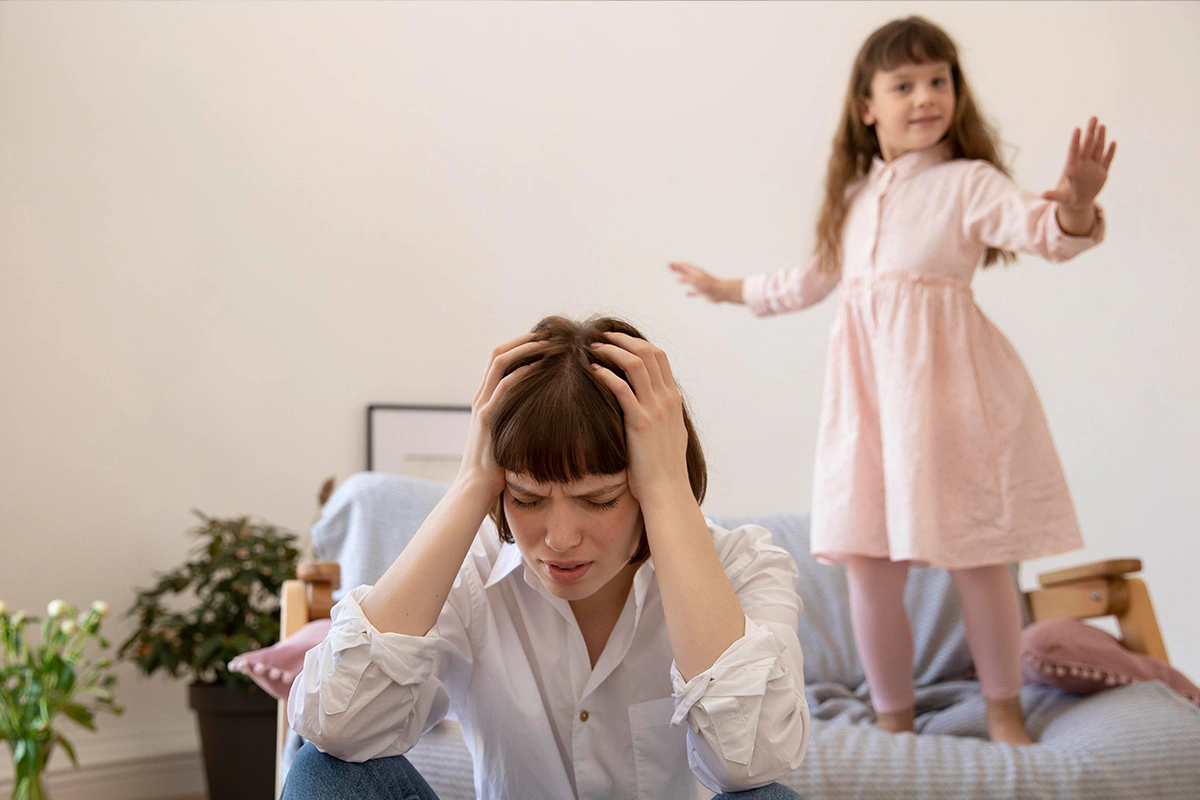
Sudden Mood Swings: Parents may notice that their child possesses two different moods. At one moment, they become extremely talkative, excited, restless, and in other moments express sudden anger, irritability, sadness, and low energy.
Diagnosis of Pediatric Bipolar Disorder: What Parents Must Know
Pediatric bipolar disorder is a diagnosis that a mental health professional must carefully evaluate. This is the reason why misdiagnosis in many cases is common, since most of the symptoms of bipolar disorder in children resemble ADHD, depression, and other mood disorders. Interviews, behavior tracking, and family backgrounds are all used by the professionals to differentiate between conditions. The input of parents is important in providing a correct picture of how moods and behavior influence day-to-day life.
A detailed analysis assists in monitoring symptoms over the long run, such as sleeping patterns, impulsive behavior, and emotional tantrums. It helps in affirming that the behavior of the child aligns with bipolar pattern disorder. Although the process may seem overwhelming, early diagnosis allows children to be among the most successful treatment candidates, which aids in healthier emotional progress.
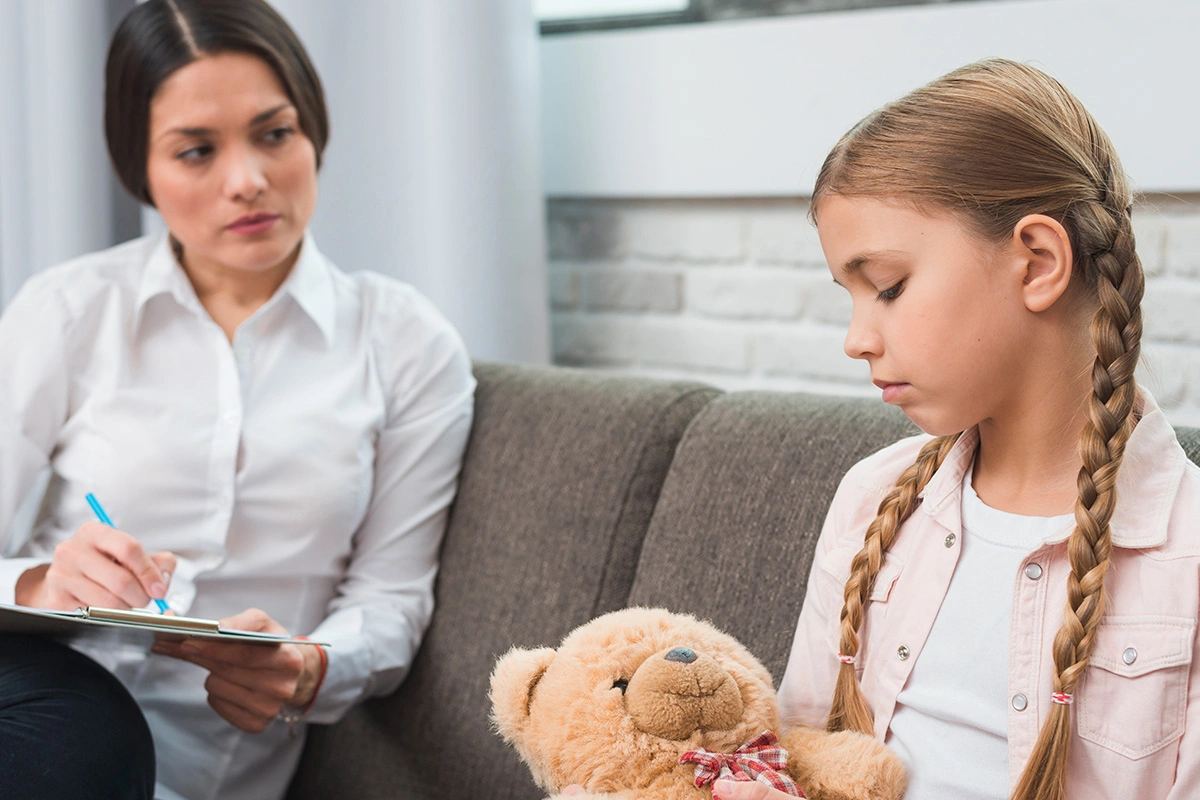
The other factor that parents need to know is that pediatric bipolar disorder is not quickly diagnosed. It’s not something that can be treated in a single visit. A therapist may schedule multiple sessions to observe the child’s behavior, and in some cases, a therapist may also reach out to teachers or caregivers to gain a full understanding of the child’s life. This is a careful process that helps minimize the risk of mistaking normal childhood behaviors, such as tantrums or hyperactivity, for signs of bipolar disorder.
Parents should understand that the history of their family counts. Bipolar is a family condition, and thus doctors may inquire about family members who have had issues with mood disorders or depression, or substance abuse. By identifying these patterns, specialists are better able to make a correct diagnosis.
Lastly, parents must keep in mind that the early diagnosis is not a sign but a guide. Diagnosing bipolar disorder in children under 10 may be daunting, yet it will enable families to enroll in evidence-based interventions, which include treatment, medication, and lifestyle changes. Properly assisted, children can be helped to learn how to cope with mood swings, develop healthy coping strategies, and succeed in emotional and academic life.
Treatment Options for Bipolar Disorder in Kids Treatment of Bipolar Disorder in Children
The treatment of bipolar disorder in children focuses on helping them manage mood swings, stabilize emotions, and live healthy, balanced lives. Children and teens work closely with their healthcare providers to create an individualized treatment plan. It’s important to follow this plan consistently, even when symptoms improve, because steady and ongoing care is more effective than starting and stopping treatment. Treatment usually includes a combination of medication and therapy. Different medications may be tried to find what works best, as every child responds differently. Some may need more than one medication, depending on their symptoms. It is suggested that parents should always talk to the healthcare provider about any side effects. Also parents should never stop medication suddenly, as it can worsen symptoms.
Psychosocial therapies like cognitive behavioral therapy (CBT) and family-focused therapy, are also important parts of treatment. These therapies teach children and families useful skills, such as maintaining routines, recognizing mood changes early, and managing emotions. They also improve communication and support within the family. With the right combination of medication, therapy, and family involvement, children with bipolar disorder can learn to manage their symptoms effectively and lead fulfilling, productive lives.
Supporting a Child with Bipolar Disorder: Tips for Parents
Caring for a child with a diagnosis of bipolar disorder demands emotional resilience; yet, with deliberate practices and a compassionate approach, parents can foster a stable atmosphere to promote emotional health. The following suggestions may assist families in conducting their daily lives while ensuring caregivers also receive appropriate attention.
Establish Routines: It is important to establish routines, especially for a bipolar child. Daily routine reduces mood swings and helps children develop a sense of stability. It should include proper meal time, homework time, play time, and sleep time.
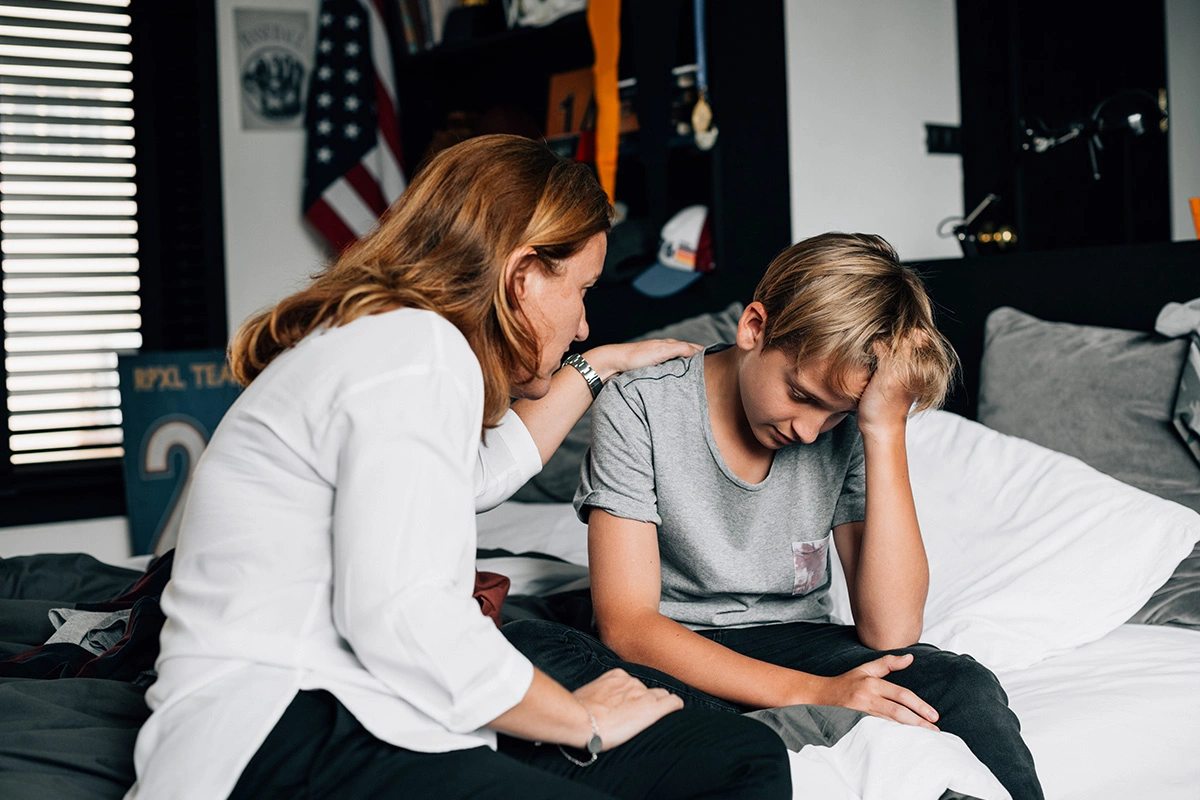
Promote Open Communication : Make your child comfortable with you. Listen to their problems and acknowledge emotional experiences, even those that may seem childish or illogical.
Work Closely with Mental Health Professionals: Keep updated regarding therapy appointments, medication consultations, and routine visits. Communicate notable changes such as intensified mood episodes, disrupted sleep, or unexplained behavioral problems.
Don’t Wait: Signs Your Child May Need Mental Health Support
Some parents don’t realize that their child needs extra care; they feel that their child will eventually grow out of this, but waiting to see improvement may only worsen the condition. By identifying the warning signs timely manner, you can minimize further problems and start proper treatment.
Here are some signs that need to be noted:
- If your child becomes aggressive over minor issues and is usually irritated, it may be a sign of bipolar disorder.
- Constant disputes or frequent conflicts could be a sign of hidden emotional struggle.
- Frequent or long-term emotional breakdowns can be symptoms of underlying mental health issues.
- When your child is depressed, feeling empty, or unmotivated for several days, this could reflect a mood disorder.
- Other signs that can indicate bipolar disorder or other disorders include abrupt movements such as playing dangerously, being too risky, or being rebellious to an extent that is not characteristic of children of their age.
- Major changes in appetite, such as overeating or anorexia, are frequent warning signs.
- Disturbed sleeping patterns, either excessive sleep or very limited sleep, could be a sign of bipolar disorder.
Frequently Asked Questions
Phrases like “just calm down” or “you’re overreacting” should be avoided. These words can make the child feel misunderstood. Instead, acknowledge their feelings and say things like, “I can see you’re upset, let’s talk about it.” Patience, empathy, and reassurance go a long way in helping a child with bipolar disorder feel supported.
Common early signs include rapid mood changes, irritability, impulsive behavior, unusual sleep patterns, and extreme highs and lows in energy. If a parent notice such symptoms, it’s important to seek an evaluation from a mental health professional.
The treatment of bipolar disorder in children often includes a mix of medication and therapy. Cognitive Behavioral Therapy (CBT) and Family-Focused Therapy are especially effective. These help children regulate emotions, maintain healthy routines, and improve family communication. Medications may be used to stabilize mood and control severe symptoms under medical supervision.
If your child shows ongoing signs of extreme mood swings, irritability, risky behavior, or prolonged sadness, it’s time to seek help. Early diagnosis and treatment make a significant difference in managing bipolar disorder in children and improving their overall well-being.
Final words
Bipolar disorder is a serious mental health condition, and dealing with a bipolar kid is a challenging task, yet early detection, thoughtful diagnosis, and steady treatment can empower children to enjoy healthy lives. Identifying symptoms, such as rapid mood swings, persistent irritability, or anger outbursts over minor issues, can help to treat the condition.
Every parent wants to see their child live a healthy and happy life. At Mid Cities Psychiatry, we believe that every child deserves to thrive and feel understood. If you are worried and need a detailed assessment and individualized treatment for your bipolar kid, please feel free to contact us. We would love to help you and your child.
Revision History
Author

Dr. Sacha Cohen
Medical & Clinical Educator
Dr. Sacha Cohen is a healthcare professional and medical content writer with experience in clinical training and academic writing. She specializes in creating research-based, accessible healthcare content. With a foundation in medical education and hands-on clinical practice, she brings depth and clarity to every piece she writes. Passionate about making medical knowledge understandable, she aims to educate and inspire her readers.

Dr. Kazi, Seema
Dr Seema Kazi is a board-certified psychiatrist and a proficient Medical Director of Mid Cities Psychiatry at Euless, Texas.
Fact Checker

Dr. Seema Kazi
Founder & Medical Director
Dr. Seema Kazi is the compassionate force behind Mid Cities Psychiatry, where her vision has shaped a practice rooted in empathy, excellence, and patient-centered care. As a triple board-certified psychiatrist in Psychiatry, Geriatric Psychiatry, and Internal Medicine, Dr. Kazi brings over 20 years of clinical experience to her leadership role.
Revision History
Author

Dr. Sacha Cohen
Medical & Clinical Educator
Dr. Sacha Cohen is a healthcare professional and medical content writer with experience in clinical training and academic writing. She specializes in creating research-based, accessible healthcare content. With a foundation in medical education and hands-on clinical practice, she brings depth and clarity to every piece she writes. Passionate about making medical knowledge understandable, she aims to educate and inspire her readers.
Dr. Kazi, Seema
Dr Seema Kazi is a board-certified psychiatrist and a proficient Medical Director of Mid Cities Psychiatry at Euless, Texas.
Fact Checker

Dr. Seema Kazi
Founder & Medical Director
Dr. Seema Kazi is the compassionate force behind Mid Cities Psychiatry, where her vision has shaped a practice rooted in empathy, excellence, and patient-centered care. As a triple board-certified psychiatrist in Psychiatry, Geriatric Psychiatry, and Internal Medicine, Dr. Kazi brings over 20 years of clinical experience to her leadership role.