Caffeine Withdrawal: Symptoms, Headache Patterns, and Recovery Insights


Caffeine, a nervous system stimulant, is known for its ability to induce wakefulness and boost alertness. When taken, it blocks adenosine receptors, a chemical that induces sleep and relaxation. Caffeine is naturally found in tea and coffee. The widely consumed psychoactive substance is now also increasingly added to energy drinks. The Food and Drug Administration considers the daily consumption of up to 400 mg caffeine as safe. But uncontrolled or extreme use can lead to physical and emotional dependency. Consumption of too much caffeine primes the body towards stimulation, hence making caffeine withdrawal a real concern for many who attempt to cut back or quit entirely.
While caffeine serves a list of benefits, including some use in medical purposes, overuse can lead to addiction. It can trigger negative effects, especially when you suddenly stop using caffeine. The most common is the caffeine withdrawal headache; others include sleep disturbances , irritability, fatigue, low moods, and anxiety. It is important to understand caffeine withdrawal symptoms, especially if you are looking to reduce it without discomfort. As caffeine increasingly becomes a part of modern beverages, awareness of its dependency potential helps individuals consume it responsibly and reduce symptoms of caffeine withdrawal.
Table of Contents

Common Caffeine Withdrawal Symptoms
Withdrawal from caffeine, especially in individuals who significantly reduce their daily intake or stop suddenly, can cause severe symptoms. It is a recognized syndrome in the Diagnostic and Statistical Manual of Mental Disorders (DSM-5). Key signs of caffeine withdrawal:
Headache: This is the most dominant sign. No caffeine headache affects around 50% of those withdrawing. Starting as dull, pulsating, or throbbing pain, caffeine withdrawal headache location is usually behind the eyes and occurs on both sides of the head. It can radiate to the front of the head also. Caffeine causes vasoconstriction (narrowing) in brain vessels. When caffeine use is stopped, it causes vasodilation (enlargement of blood vessels and also affects levels of neurotransmitters in the brain, hence contributing to headaches.
Drowsiness, fatigue or tiredness: To compensate for the adenosine receptors being tied up by caffeine, your body increases the number of adenosine receptors on the surface of your neurons. When you suddenly stop consuming caffeine, all the extra adenosine receptors that your brain created are suddenly wide open and highly sensitive. This is the mechanism that causes fatigue, laziness, drowsiness and other caffeine crash symptoms. But the good news is that this phase is transient and will resolve within a few days.
Irritability and mood disturbances: It is also one of the common and well-documented withdrawal symptoms of caffeine. Caffeine, as a stimulant, increases the feel-good and reward hormones like dopamine and norepinephrine when taken. Irritability and mood disturbances occur as a result of a sudden drop in these hormones when caffeine withdrawals take place.
Additional symptoms of caffeine withdrawal include Nausea, vomiting, tremors and concentration or cognitive decline.
Caffeine Withdrawal and Its Impact on Daily Functioning
Caffeine acts as a nervous system stimulant. Beyond physical discomfort, the impact of caffeine withdrawal extends to personal and professional life in a variety of ways. Talking about the signs of caffeine withdrawal, functional impacts can be:
- Brain fog and fatigue lead to a decline in everyday productivity.
- Heightened frustration and irritability affect the professional environment and family dynamics.
- Persistent headache reduces focus and diverts energy.


Impact of Caffeine Withdrawal on Sleep and Energy Levels
Caffeine normally blocks Adenosine, a neurotransmitter that promotes sleep, so the rebound effect temporarily disrupts the sleep-wake cycle. You may experience extreme feelings of fatigue and drowsiness, but difficulty falling asleep can make it one of the worst withdrawal symptoms of caffeine. Caffeine withdrawal particularly affects the REM sleep (associated with dreaming and emotional regulation). When you stop taking caffeine, your body naturally attempts to restore the sleep-wake rhythm. Extreme sleepiness, difficulty falling asleep, or maintaining deep, restful sleep can be problematic. This happens due to a surge in adenosine activity.
These sleep disturbances directly affect your energy levels in daytime. You feel lethargic and dizzy throughout the day. Carrying out everyday tasks can also become overwhelming. Maintaining a consistent sleep time with a pre-sleep calming routine can help your body readjust to sleep issues. As your body’s natural circadian rhythm normalizes, you will feel a vast difference in your energy levels. Morning sunlight exposure and light exercise can further ease this adjustment period.
Short-Term Adjustments in the Absence of Caffeine
Through proper adjustments, lifestyle changes, and planned management, caffeine withdrawal symptoms can be minimised. Practical adjustments that help reduce caffeine crash symptoms include:
- Instead of a sudden cessation, reduce your caffeine intake by reducing it every few days. This prevents the sudden physiological shock.
- Consume plenty of water throughout the day. Dehydration can worsen headache symptoms in caffeine withdrawal.
- Engage in light physical activity, which releases endorphins that can boost energy and mood.
- Take over-the-counter medicines for nausea. Pain relievers, such as ibuprofen or aspirin, are effective for managing withdrawal headaches.
Studies reveal that individuals who reduce caffeine intake gradually report significantly less severe overall withdrawal symptoms. On the contrary, those who quit abruptly go through extreme caffeine withdrawal symptoms.

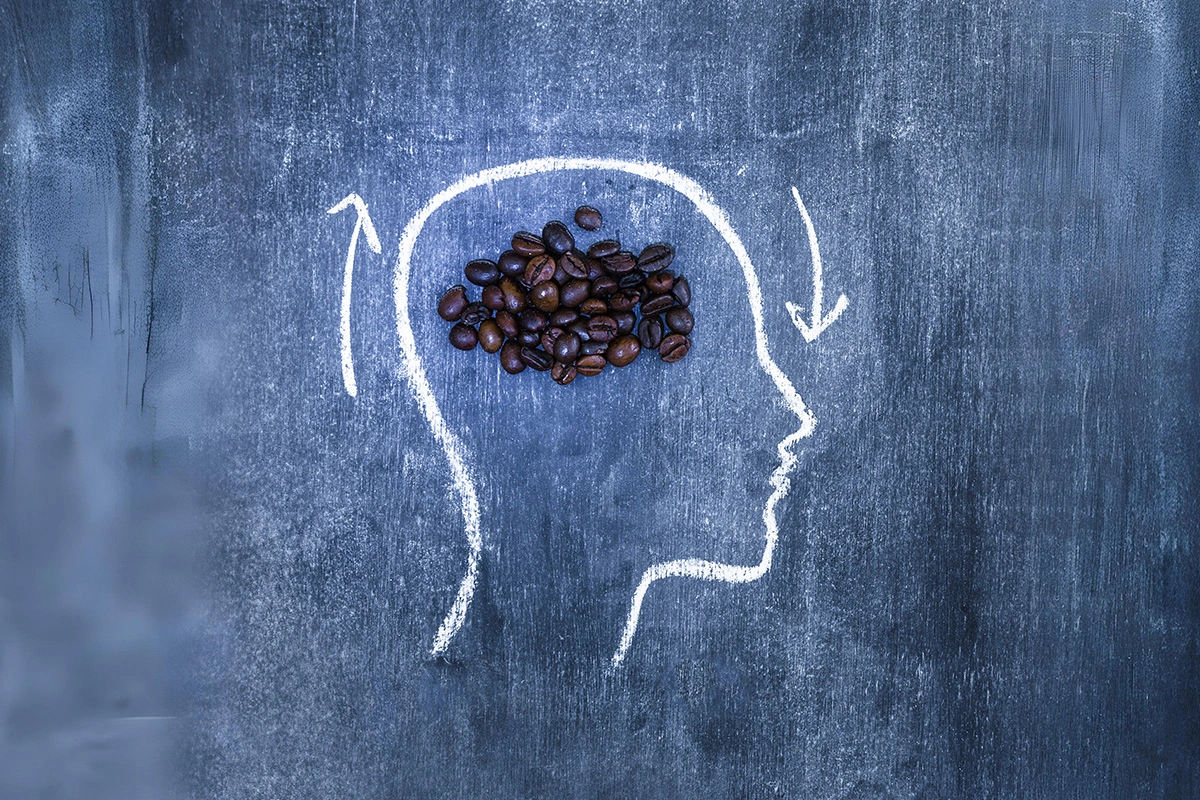
Neurological Response During Caffeine Detox
The responses or changes that occur during caffeine detox are mostly at the neurological level. The mechanism of action is as follows. Caffeine shares a molecular structure similar to the neurotransmitter adenosine, which is responsible for signalling the brain to slow down and inducing drowsiness. Caffeine binds to these adenosine receptors and blocks them. This, in turn, prevents Adenosine from exerting its sedative effects. This is the reason caffeine consumption increases alertness and consciousness. This blockage also indirectly stimulates the release of excitatory chemicals, dopamine, norepinephrine, and adrenaline, enhancing alertness.
The Withdrawal Effect (During Detox):
Excess caffeine consumption causes an increase in the production of adenosine receptors. When caffeine intake is suddenly stopped, these newly available receptors are overloaded with the body’s natural Adenosine. This is the main reason why an individual experiences withdrawal symptoms of caffeine in the form of extreme fatigue, drowsiness, and depressed mood.
Changes in Cerebral Blood Flow:
Caffeine acts as a vasoconstrictor, which means it narrows the blood vessels in the brain. When caffeine intake is ceased, a reverse effect takes place, vasodilation, which is the widening of blood vessels in the brain. Due to vasodilation, cerebral blood flow and intracranial pressure rapidly rise, an accepted explanation for the intense and frequent caffeine withdrawal headache.
EEG Alterations:
By blocking Adenosine, caffeine makes your brain speed up. EEG shows this as changes in the increase in Beta waves, which represent active states of the brain. Whereas it causes a decrease in Delta and Theta waves, brain waves indicating a relaxed state.


Factors Influencing the Intensity of Caffeine Withdrawal
Many factors influence the severity of symptoms of caffeine withdrawal:
- People who take higher doses daily (up to 400 mg) experience severe withdrawal symptoms. If higher doses are taken for a prolonged time period, it also causes the symptoms of caffeine withdrawal to be as most severe. There is a direct relation between symptoms to dose, and duration of caffeine intake.
- The severity of caffeine crash also depends on how a person stops taking caffeine. Sudden cessation, known as the Cold Turkey method, is known to show the most severe symptoms. IN contrast, the gradual reduction or tapering method prevents the occurrence of the most severe withdrawal symptoms.
- Some studies also suggest that many individuals are genetically predisposed to more intense reactions.
- Some individuals can have a psychological tendency to experience withdrawal symptoms known as the Nocebo effect.
- Individuals with concurring mental health issues like anxiety, depression, or insomnia may find withdrawal symptoms to be more distressing or severe.

Understanding the role of addiction in caffeine withdrawal helps explain why symptoms can feel both physical and psychological.

Differences Between Light, Moderate, and Heavy Users
Caffeine withdrawal symptoms are also seen variably among individuals. The differences between light, moderate, and heavy users are categorised based on how much caffeine they consume per day. Hence, the severity and the range of withdrawal symptoms they experience upon cessation.
- Light Users: Individuals who take 100 mg of caffeine per day. This dose is quite low but is sufficient to cause significant withdrawal symptoms. This indicates that even with small doses, physical dependence on caffeine is easier to occur. However, the overall intensity is lower compared to heavier users.
- Moderate to Heavy Users: Individuals who consume caffeine somewhere from 250 to more than 400 mg/day. The incidence and severity of withdrawal symptoms are directly proportional to the daily dose. Individuals consuming 300 mg/day or more typically experience more pronounced, intense, and often a wider range of symptoms, including more severe headaches, greater fatigue, and increased depressed mood or difficulty concentrating.
Long-Term Adaptation Following Caffeine Discontinuation
This phase comprises the normalisation of the brain’s adenosine receptor system. Following the acute withdrawal phase, the long-term adaptation (2-6 weeks) leads to restoration of normal sleep patterns. Energy levels in the body are more stabilised now. The neuroadaptive changes induced by chronic caffeine begin to subside. Several physiological and psychological adaptations occur as they return to the pre-caffeine status.
- After the discontinuation of chronic caffeine, the adenosine receptors in the brain downregulate. The usual time frame for this is 1-3 weeks. This phenomenon explains why alertness and energy improve over time without caffeine.
- After stopping caffeine intake, sleep quality improves. Individuals can fall asleep faster, better and more deeply. Time frame for these spans 1-4 weeks.
- Symptoms of low mood and fatigue resolve. The energy level of individuals becomes better and more stable. Anxiety and mild depression that occur also subsides within this period. Improved stress tolerance and reduced heart rate and blood pressure. No more caffeine crash symptoms occur.
- Concentration spans get better, and cognitive performance returns to normal.
- Cerebral blood flow is normalised. The long-term adaptation allows CBF to return to its natural, healthy level.


Caffeine Withdrawal Timeline and Progression
Though the intensity may vary for individuals, the caffeine withdrawal timeline is usually predictable. It may take up to 2-6 weeks to overcome caffeine withdrawal symptoms from the onset, as your body maintains its equilibrium:
Onset of symptoms: The first 12-24 hours, the symptoms begin to appear. The most common and first signs are dull headache, sleepiness and fatigue as the Adenosine approaches available receptors.
Peak intensity: Spans from 20 – 51 Hours, where caffeine withdrawal symptoms reach maximum severity. The headache may worsen in intensity, too. Nausea, increasing fatigue, irritability and difficulty concentrating occur.
Acute resolution phase: Spans 2 – 9 Days. Headache starts to resolve; you may see a gradual decrease in fatigue and mood disorders.
Full normalisation: Varies for individuals between 3 weeks to 6 weeks. By this time, the most intense and severe symptoms of caffeine withdrawal usually subside. Some residual effects, like low-grade fatigue, slight sleepiness, can persist for two to three weeks. This happens as the brain’s adenosine receptors fully reset and the body readjusts.
Frequently Asked Questions
Yes, Nausea associated with caffeine withdrawal symptoms is more common than vomiting. The symptoms may begin 12-24 hours after stopping caffeine and peak in 1-2 days. The symptoms can be reduced if you gradually lower your caffeine intake. Good hydration, proper rest, and over-the-counter relief medications are generally recommended to treat.
Yes, the mental and physiological dependence on caffeine may cause low mood, mild depression, and irritability. These symptoms are seen in people who consume caffeine regularly and stop it suddenly. The symptoms begin 12-24 hours after stopping caffeine intake, peak around 2-3 days, and resolve within 5-7days.
Sleep issues can be one of the very first signs of caffeine withdrawal as you give up caffeine. Caffeine intake blocks Adenosine, a chemical that induces restful sleep. Quitting caffeine can cause you to have longer sleep duration, increased daytime sleepiness, or difficulty falling asleep initially as the body adjusts.
Yes, Caffeine withdrawal affects blood pressure. It may cause a drop in blood pressure (Hypotension) or even fluctuate, giving you symptoms of dizziness and fatigue. Usually, when you take caffeine, it increases your blood pressure through vasoconstriction. Its withdrawal can cause low BP and palpitations as the body readjusts.
Conclusion
Individuals who have consumed high amounts of caffeine for a long time often face extreme caffeine withdrawal symptoms. Headaches, brain fog, irritability, and loss of concentration are common signs that the body is adjusting to caffeine absence. For some, these symptoms may be overwhelming and disruptive to daily life, but it is important to remember that they are temporary and a sign of healing rather than harm. The nervous system is readjusting, and as time passes, balance returns.
The approach that gives the best result is the one that combines supportive habits with patience. Improving hydration, eating nutritious, balanced meals, engaging in a light physical activity, and maintaining a consistent sleep schedule can help. People often mistake caffeine withdrawal symptoms with addiction, which is not true. The severity of symptoms is only due to physical dependence, which resolves over a few weeks. It is recommended to induce a gradual reduction rather than an abrupt cessation. This prevents the occurrence of severe symptoms and hence works as the most practical form of a caffeine withdrawal remedy.
Revision History
Author

Dr. Sacha Cohen
Medical & Clinical Educator
Dr. Sacha Cohen is a healthcare professional and medical content writer with experience in clinical training and academic writing. She specializes in creating research-based, accessible healthcare content. With a foundation in medical education and hands-on clinical practice, she brings depth and clarity to every piece she writes. Passionate about making medical knowledge understandable, she aims to educate and inspire her readers.

Dr. Kazi, Seema
Dr Seema Kazi is a board-certified psychiatrist and a proficient Medical Director of Mid Cities Psychiatry at Euless, Texas.
Fact Checker

Dr. Seema Kazi
Founder & Medical Director
Dr. Seema Kazi is the compassionate force behind Mid Cities Psychiatry, where her vision has shaped a practice rooted in empathy, excellence, and patient-centered care. As a triple board-certified psychiatrist in Psychiatry, Geriatric Psychiatry, and Internal Medicine, Dr. Kazi brings over 20 years of clinical experience to her leadership role.