Ekbom Syndrome: Clinical Features, Symptoms, and Treatment Approaches


Ekbom syndrome is a psychiatric disorder. The characteristic delusion that an individual is being infested with parasites, bugs, or other organisms, without any medical or laboratory proof is a hallmark sign. The delusions are not self made. It is a distress which is real, and the sensations are real too. That’s why the individual still believes the idea even after a negative test.
A psychiatric assessment is made to determine the cause of these symptoms. It helps to find out whether it is a primary psychiatric disorder, a co-existing medical problem, or other factors causing it.
So, if you have ever asked yourself the question: “Why do I feel bugs crawling on me?” or “Can stress make me feel like parasites coming out of skin?”, these are legitimate questions and deserve your attention and a non-judgmental response.
Delusional parasitosis or Ekbom syndrome, is a mental health disorder. It is characterized by the delusional idea that parasites or insects are living on or inside the body. The belief is not only emotionally distressing but can lead to skin picking or scratching. Over time this may lead to skin conditions such as soreness, cuts or infections. It may also cause functional impairment and generally necessitates psychiatric evaluation and treatment.
Ekbom syndrome can be emotionally heavy, causing anxiety, sleep disorders, and social anxiety, as individuals may feel rejected or misunderstood, so it’s important to be diagnosed early. It may also happen in conjunction with other psychiatric or medical illnesses, so this is why a detailed assessment is important, rather than a quick label. The management includes evidence-based psychiatric care, which can include a combination of medications, psychotherapy, and continued mental health treatment, providing a genuine avenue for relief.
Table of Contents
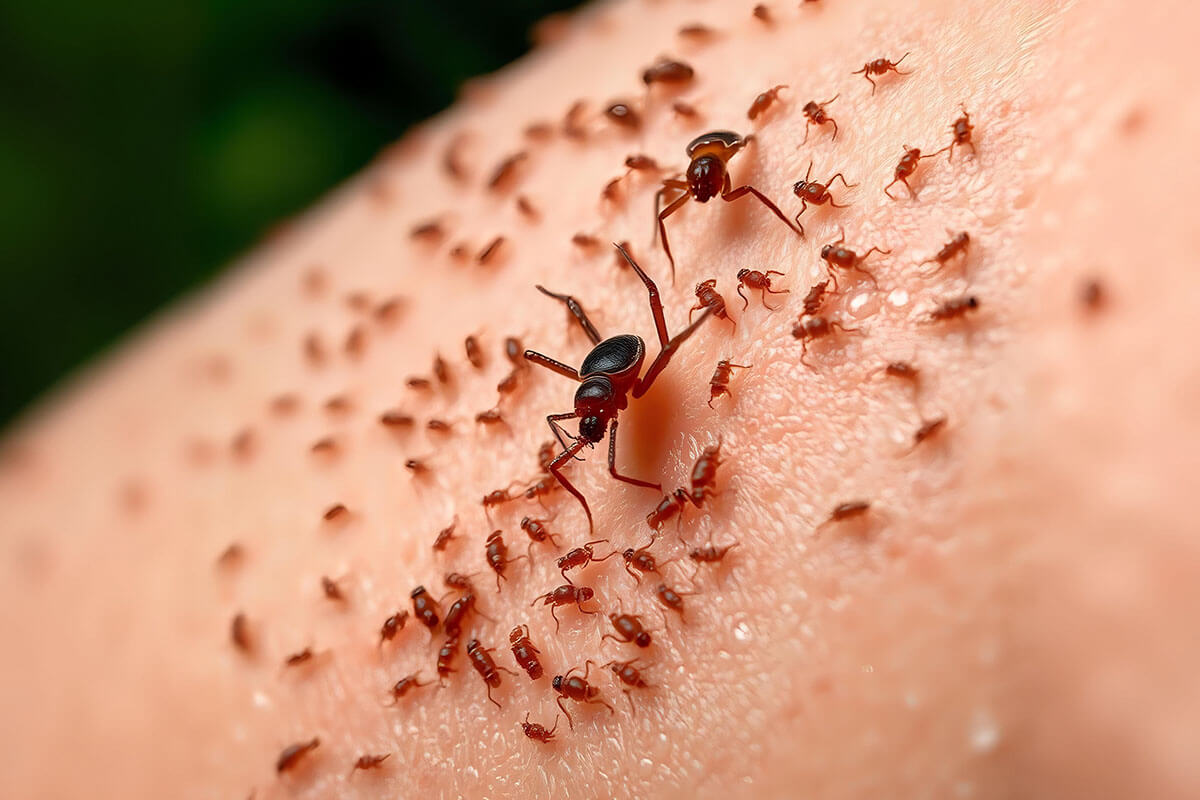
Ekbom's Delusional Parasitosis and Clinical Presentation
Delusional parasitosis generally occurs in middle to late adulthood but can happen at any age. There are 2 types of Ekbom’s delusional parasitosis based on its correlation with other diseases:
Primary Ekbom syndrome: The delusion is present and not caused by any medical or psychiatric illness.
Secondary Ekbom syndrome: The delusion is present with another disease, such as a mood disorder, OCD, neurological disease, somatization Disorders, or substance abuse.
The central aspect of both forms is the firmly held belief that will not change with reassurance, with negative test results, or with medical information contradicting the belief. Those with this disorder frequently check their skin repeatedly, take skin specimens and seek frequent consultations with dermatologists or general practitioners (GPs) looking for confirmation of what they’re experiencing.
Sometimes, the psychiatrist will collaborate with the dermatologist and the primary care physician in order to initially eliminate any actual skin infection or skin disease from the diagnosis of Ekbom syndrome. This isn’t a step to avoid; it’s one to take to ensure that nothing medically is missed.
| Clinical Feature | Common Presentation |
|---|---|
| Crawling sensation | Persistent, often described vividly |
| Fixed belief | Resistant to reassurance or evidence |
| Skin picking | Common, aimed at "removing" organisms |
| Anxiety | Frequently present and significant |
Ekbom Syndrome Symptoms and Diagnostic Indicators
Ekbom syndrome symptoms can help people understand what’s going on and why it’s important to get it right. Common symptoms include hallucinating bugs, a crawling or biting feeling on or under the skin (formication), intense itching, skin irritation as a result of scratching or picking, and sleep disturbances due to the crawling or biting sensation.
Common Ekbom Syndrome Symptoms and signs include:
- Hallucinating bugs or insects crawling on or under the skin.
- Intense, persistent itching
- Scratch or pick at skin, often repeatedly
- Increased worry of possible infestation
- Repeated and frequent skin checks to find “evidence”
The diagnostic process is comprehensive, and entails a detailed clinical interview, a review of medical history, a physical examination, dermatologic examination to exclude actual skin pathology, and a detailed psychiatric evaluation.
These sensations are not necessarily real, but are caused by what the brain is taking in (or misinterpreting) from the body.
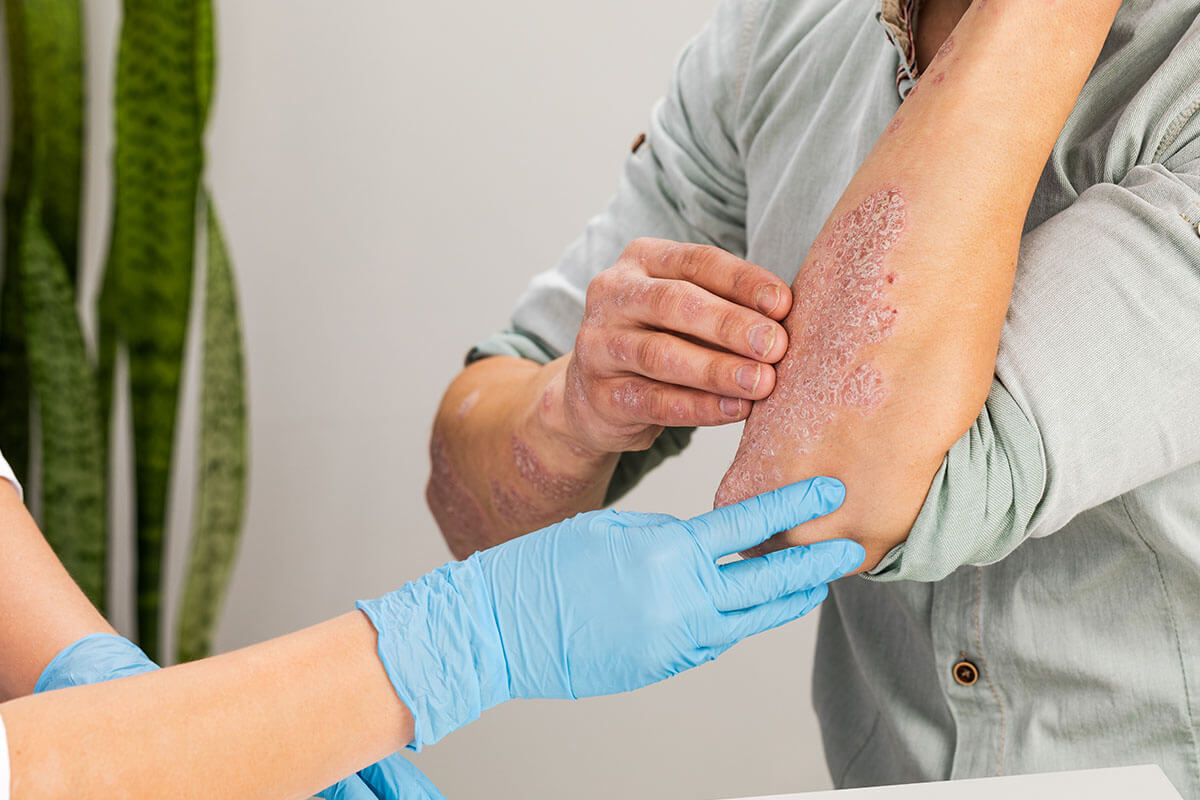
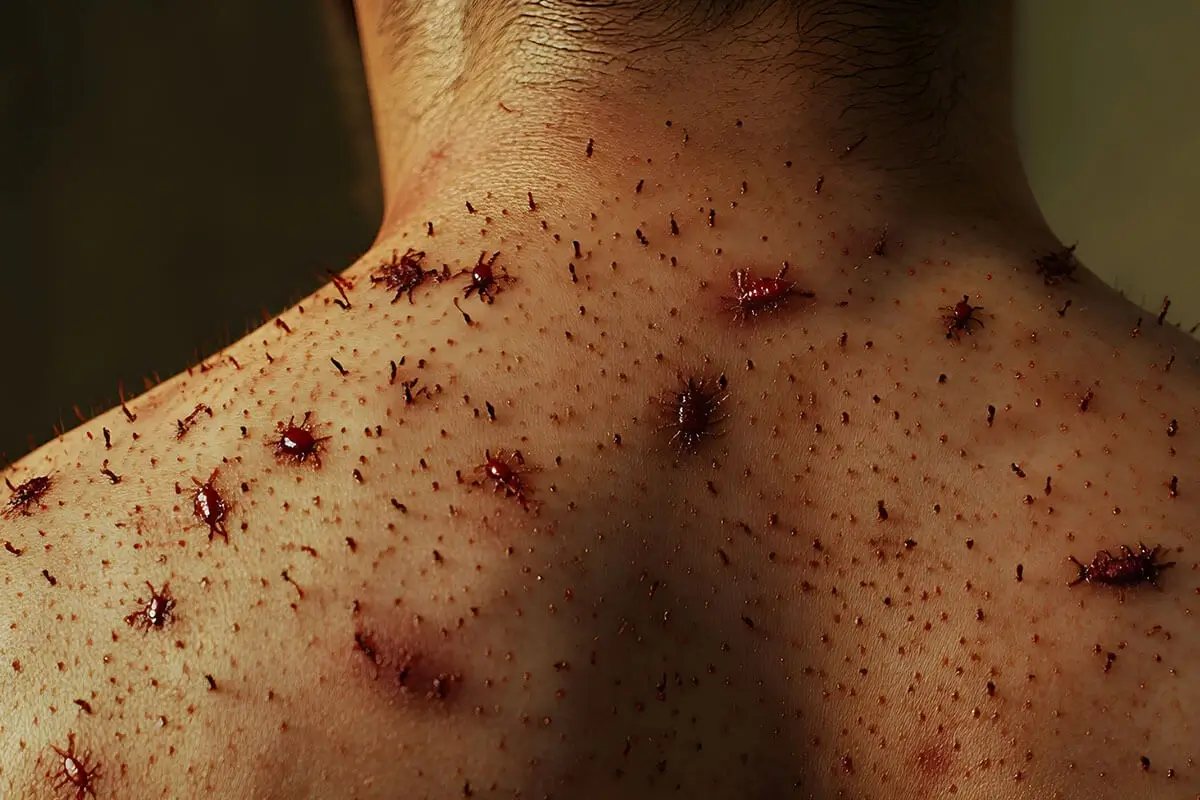
Delusional Infestation and Neuropsychiatric Mechanisms
Delusional infestation can be a source of emotional distress, but what actually leads to delusional infestation? Researchers suggest disruptions in perception pathways; theories in play include dopamine dysregulation, in which disturbances in dopamine activity are believed to contribute to the brain’s ability to interpret meaning and certainty of sensory information. When coupled with abnormal sensory processing, this can make normal sensations (a fly, the heat of a cloth, slight dryness, or mild irritation) turn into delusional infestation, or the patient feels like something is crawling or biting. This misinterpretation seems to interrupt the brain’s “reality-testing” process that usually helps us challenge and adjust erroneous perceptions, and makes the belief fixed as opposed to temporary.
Secondary causes of delusional infestation are equally important to rule out. These include:
- Neurosensory disorders including Sensory Processing Disorders (SPD)
- Substance use (including stimulant use)
- Some medications that have psychiatric side effects
- Medical conditions that can present with the same symptoms.
A thorough evaluation always precedes treatment decisions, as knowing if there is a secondary cause or not affects the treatment plan.
Delusional Infestation and Neuropsychiatric Mechanisms
Delusions of parasitosis are a core feature of Ekbom syndrome. It is closely related to cognitive distortions that influence belief formation. Despite a lack of clinical findings, a person experiencing delusions of parasitosis often interprets skin sensations as evidence of parasitic infestation. The relationship between delusions of parasitosis and cognitive distortions explains why this belief is difficult to challenge. Part of the answer is:
Confirmation bias: They actively look for signs and the presence of insects, parasites, and germs, while ignoring numerous tests and diagnostic procedures that indicate that there is nothing.
Mild sensations: Slight dryness, itching, and crawling, or a few itches, are absorbed into the current belief system and perceived as infected with parasites rather than as normal.
This can be a very taxing pattern. There are going to be a lot of people seeking specialist after specialist, hoping someone would tell them what they are going through.
This is where psychotherapy is useful. Therapy can help the person develop insight over time. It helps improve coping mechanisms, learn to manage the distress, and remain engaged in therapy along with medication, without actually challenging the belief.

Hallucinating Bugs and Sensory Perception Disturbances
Hallucinating bugs” is a real and often frightening experience for many patients, but knowing the difference between the different types of bugs can be very illuminating.
Formication is a tactile hallucination characterized by sensations of crawling, stinging, or biting under or on the skin, and is what is being experienced. This is a sense experience apart from the belief.
This can help differentiate between a few related but distinct concepts:
- Hallucinations: Seeing or hearing things that are not real (feeling things crawling when not in contact with the skin)
- Delusions: The false belief that forms around that perception (e.g., I am infested with parasites)
Sequenced Flow: Normal Sensation → Brain Interpretation → Altered Perception → Emotional Distress
Importance for clinical application: If the main problem is sensory, treatment will differ from the case where the main problem is belief-based.
"Parasites Coming Out of Skin": Addressing a Common Search Compassionately
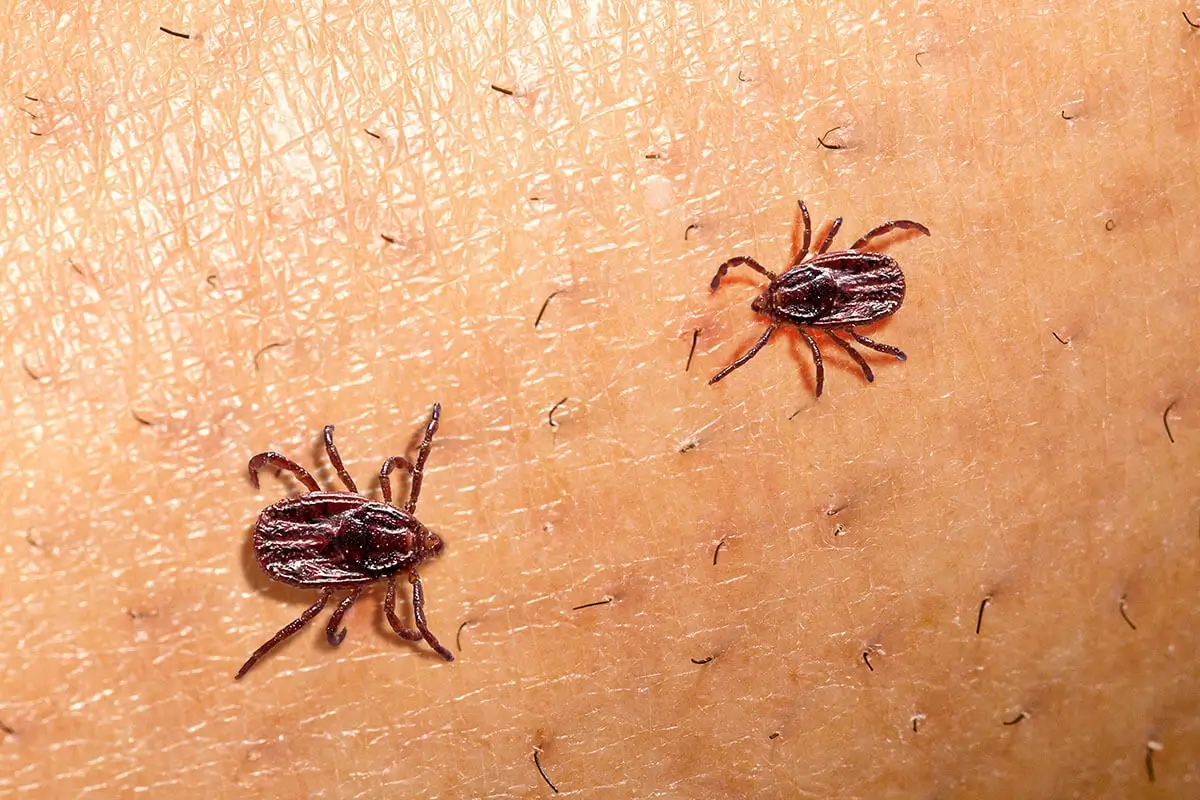
Patients have the firm impression that they are seeing parasites or fibers crawling out of their skin. This frequently relates to what doctors call the matchbox sign (or specimen sign): a patient presents a container filled with skin debris, fibers, or scabs they think are proof of infestation. This is a real thing for the patient to see. These specimens usually include bits of skin, fibers, or debris, and not a parasite, but the patient’s feeling that what they picked up will be useful is real and deserves to be taken seriously, not dismissively.
They are very closely associated with skin picking, where the patient tries to “catch” organisms and physically remove them from the skin.
The repetitive picking may result in secondary skin infections, scarring, and a great deal of emotional involvement and feelings of not being heard or believed by people around them, sometimes even by their clinicians.



Understanding "Delusions ICD-10" and Diagnostic Coding
The ICD-10 (International Classification of Diseases, 10th edition) is the system used for coding or classifying conditions, diagnoses, and symptoms. Conditions with delusions in ICD-10 are also given specific codes, and delusional parasitosis is considered a form of delusional disorder.
It should be remembered here that a diagnostic code is an administrative tool; it does not replace the clinical evaluation process. Whatever code is eventually used in a case, a thorough psychiatric evaluation, clinical interview, and sometimes consultation with other professionals is required for proper diagnosis.
Prednisone ICD-10 and Medication-Related Considerations
For the vast majority of people, Prednisone ICD-10 does not cause Ekbom syndrome. In some sensitive people, however, high doses of Prednisone ICD-10, a type of corticosteroid used, can lead to psychiatric problems, such as mood swings, anxiety, or, in very unusual cases, more severe psychiatric problems such as may be observed in a psychotic state. That is why it is important to carefully review medications as part of the psychiatric evaluation for new or unusual symptoms.
There are several possibilities that the clinician must consider when a patient presents with delusional beliefs:
- Is this a drug-induced presentation?
- What other conditions should be included in the differential diagnosis?
- Why is it important for a physician to review the patient’s medications completely by a physician before deciding the symptoms are primarily psychiatric in nature?

Ekbom Syndrome Treatment and Evidence-Based Psychiatric Care
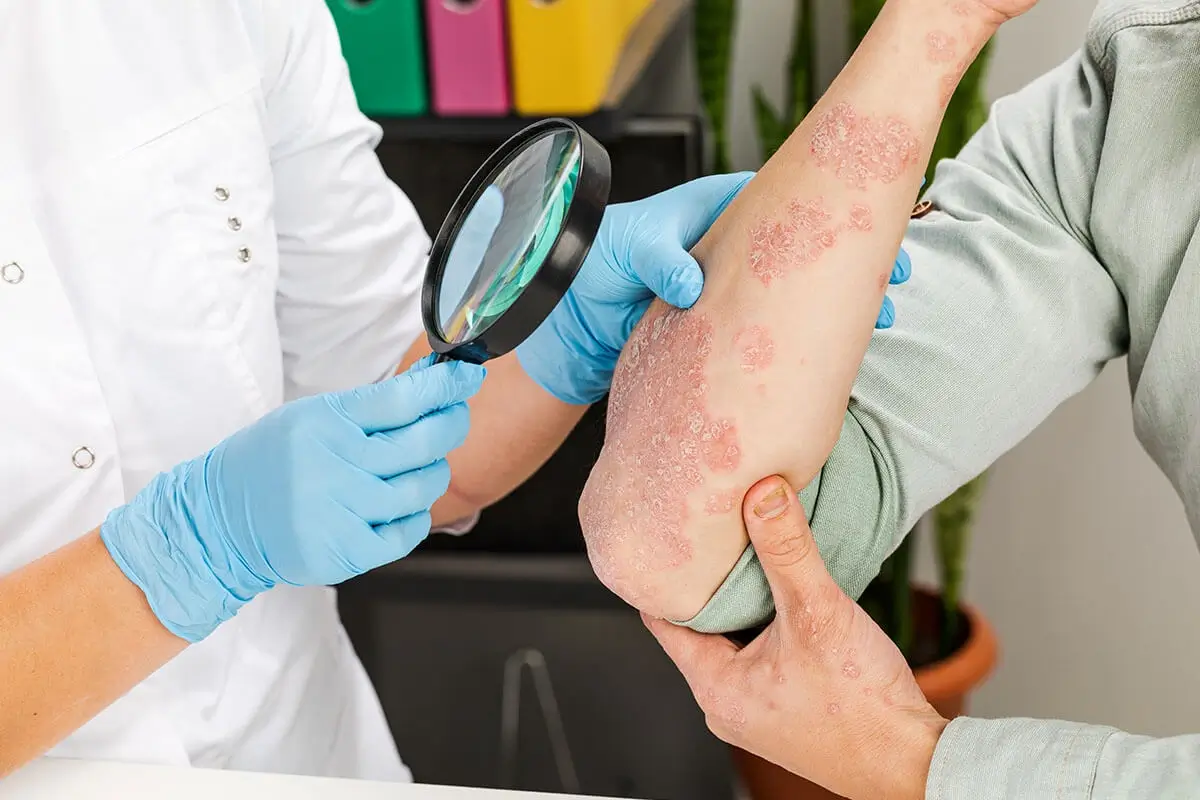
The first step to effective treatment is a thorough psychiatric assessment to establish a diagnosis and determine any underlying medical or psychiatric issues. From there, care is based on a few evidence-based components.
Medication management is a key component. Delusional symptoms can be meaningfully lowered by clinically appropriate use of drug therapy. Ekbom Syndrome Treatment also involves treating any underlying anxiety, depression, or substance use disorders, i.e., opioid Addiction, as these often occur concurrently with Ekbom syndrome and can contribute to increases in distress if not treated. Collaborative care, involving the use of psychiatry, primary care, and dermatology as indicated, is best.
| Treatment Component | Purpose |
|---|---|
| Psychiatric Evaluation | Confirm diagnosis, identify contributing conditions |
| Medication Management | Reduce delusional symptoms, monitor response |
| Psychotherapy | Improve coping skills and treatment engagement |
| Psychological assessment | Identify coexisting mental health conditions |
Comprehensive Mental Health Support
Ekbom syndrome treatment doesn’t include medication management alone. Standard treatment protocols and procedures followed by mental health clinics like Mid Cities Psychiatry incorporate multiple treatments that are giving promising results. Depending on individual needs and care treatment may include:
- Individual Psychotherapy: Helps to learn coping strategies over time
- Psychological Services: Provides broader assessment and ongoing support
- Psychiatric Services: To confirm diagnosis, manage medication management, and continue monitoring
- Telepsychiatry: An accessible care for patients who face barriers to in-person visits
- Family Psychotherapy: To educate loved ones to improve support and reduce household conflict
- Group Psychotherapy: For peer support when appropriate
- Substance Abuse Psychotherapy: When substance use is a contributing factor
- EMDR: For individuals with a coexisting trauma-related condition
- TMS Therapy, Esketamine Therapy, and Ketamine Therapy: For co-occurring, treatment-resistant depression, never as a treatment for Ekbom syndrome itself
Frequently Asked Questions about Ekbom Syndrome
Yes. Many patients with Ekbom syndrome may also suffer from anxiety or depression, either because of the distress caused by the condition, or because these are two other medical conditions occurring simultaneously. Diagnosis and management of these in addition to the main symptoms generally enhances the overall results.
It can cause sleep disturbances because of the constant crawling sensations, and it can make work or studies difficult, as well as socializing because those close to you may not understand what is going on with you. Repetitive checking and picking can also interfere with daily routine, such as self-care (e.g., washing face and hands, and taking care of skin).
In some cases, stress can be a contributing factor, but it is not believed to be the sole cause. If a coexisting condition is identified that is related to trauma, trauma-informed therapies (such as EMDR therapy) may be considered as part of treatment, which targets the trauma and not the delusion itself.
Yes, Ekbom Syndrome can lead to skin damage. Individuals who persistently believe that parasites are coming out of the skin may scratch, pick or squeeze the skin. Over time, sores, cuts, and scarring infections can occur in the skin.
Conclusion: Real Distress Deserves Real Care
Ekbom syndrome is a real psychiatric disorder, not a figment of the imagination. Crawling sensations, hallucinating bugs, delusions of parasitosis, and the subsequent distress are not imagined or falsehoods, but real experiences that warrant the compassion of those who have felt them.
The sooner a psychiatrist assesses the individual, the better. It helps identify if the condition is isolated or if it is a part of another medical or psychiatric condition, and this distinction is significant for what is to come. People have a meaningful way to achieve symptom reduction and function better at home and in the community through professional support and evidence-based treatment. Components that may include medication, psychotherapy, and coordinated multidisciplinary support.
Everyone’s recovery is unique, but with personalized and caring mental health care, there is a possibility of improvement.
Revision History
Author

Dr. Sacha Cohen
Medical & Clinical Educator
Dr. Sacha Cohen is a healthcare professional and medical content writer with experience in clinical training and academic writing. She specializes in creating research-based, accessible healthcare content. With a foundation in medical education and hands-on clinical practice, she brings depth and clarity to every piece she writes. Passionate about making medical knowledge understandable, she aims to educate and inspire her readers.

Dr. Kazi, Seema
Dr Seema Kazi is a board-certified psychiatrist and a proficient Medical Director of Mid Cities Psychiatry at Euless, Texas.
Fact Checker

Dr. Seema Kazi
Founder & Medical Director
Dr. Seema Kazi is the compassionate force behind Mid Cities Psychiatry, where her vision has shaped a practice rooted in empathy, excellence, and patient-centered care. As a triple board-certified psychiatrist in Psychiatry, Geriatric Psychiatry, and Internal Medicine, Dr. Kazi brings over 20 years of clinical experience to her leadership role.