


Mental Health Drawings: The Art of Relaxing Your Mind

Dr Kazi, SeemaFact Checker: Dr Kazi, Seema

Did you ever experience such a situation, where you were a little stressed and felt calmer after doodling or sketching something in your notebook? It’s not just a coincidence; it’s actually the magic of art, which is a quiet, healing force, and we’re going to reveal it in today’s article. Drawing isn’t just an art activity alone; perhaps it’s a conversation between your emotions and your imagination. This beautiful process is what many refer to as mental health drawings, a simple yet powerful way to heal, express, and understand yourself on a deeper level.

 In today’s blog, we will shed a light on mental health drawings, how this simple activity works as therapy, the science behind it, and how this activity can be used to support your mental well-being.

Table of Contents

Understanding Mental Health Drawings

Understanding Mental Health Drawings

Mental health drawing is an art activity which means to use drawing or sketching as a way to express emotions and reduce stress and anxiety. For this mind relaxing activity, you don’t need fancy tools or professional skills. It can be performed by just a pencil, some paper, and the willingness to let your feelings flow through lines, colors, and shapes.

The American Art Therapy Association (AATA) explains that art therapy helps people improve their well-being by creating art with guidance from a trained therapist. It can involve anything from drawing and painting to sculpting or clay modeling. All ways to express what words sometimes can’t and to find a sense of peace through creativity. Drawing is a fun and gentle way to express your inner self. When you put your emotions on paper, it helps release tension, ease anxiety, and bring a sense of calm to your mind.

The Magical and Soothing Power of Drawings

Drawing is considered to have a magical power. You feel a kind of comfort when you get engaged in a drawing activity. When your hand moves, your thoughts divert. In that moment, your worries start fading. It’s like giving your mind a moment to breathe and reset. Drawing brings the following changes.

1. It Shifts Your Focus

When you draw something as a drawing activity, your attention moves from your racing thoughts to the present moment. Actually, it shifts your focus from your constant worry and works just like meditation.

The Magical and Soothing Power of Drawings

2. It Releases Built-Up Emotions

There is a time when some thoughts get stuck in your mind and affect your emotional well-being. Drawing helps release them safely. You might not realize it, but that messy, dark scribble or calm watercolor wash could be your emotions finding their way out.

3. It Lowers Stress Hormones

Research shows that creative activities like drawing can lower cortisol levels, the hormone responsible for stress, and boost the level of Dopamine (your happy hormone
). You can feel calmer and relax even with just a 20 mins of drawing session.

4. It Gives You Control

When life feels overwhelming, having control over something, even a drawing, can help you regain a sense of stability. You decide the colors, shapes, and flow. It’s your space to take charge.

Science Facts behind Art and Mental Health

Science Facts behind Art and Mental Health

Did you ever feel that there is something deeply soothing about watching a blank page fill with shapes and colors? Let’s look at the science behind it. Multiple studies have confirmed what artists have known for centuries: that creative activities have the power to heal. What actually happens inside our body when we are busy in drawing or any art activity?  Creative activities like art and drawing lower the hormone cortisol (linked to stress). So when you start sketching, your brain naturally shifts into a calm, meditative state.  It helps you stay in the moment and let go of what’s been weighing on your mind.

This means that drawing is not only a distraction. Drawing engages different parts of the brain, which are responsible for movement, memory, and emotional balance. This full-brain involvement often creates a “flow state,” where time seems to pause and your worries fade into the background. It’s almost like giving your overworked mind a quiet reset. Sharing here some of the research studies which supported mental health drawings as a therapeutic activity.

  • The researchers at Drexel University found that 75 percent of the participants’ cortisol levels lowered during their 45 minutes of making art. 
  • Another study from Harvard Health also highlights how art activities improve mood by increasing dopamine levels (the “feel-good” chemical), and enhance emotional resilience.
  • The American Art Therapy Association describes art therapy as a bridge between the conscious and subconscious mind, helping people understand and process complex feelings.

So, it’s evident that whether you’re sketching from imagination or doodling absentmindedly during a stressful day, your brain is actually doing deep emotional work for you.

Science Facts behind Art and Mental Health

Drawing is a form of expression that opens the door to communication without verbal interaction. You can express your emotions through his activity. Let’s have a look at some top benefits of mental health after drawing.

1. Reduces Stress and Anxiety

Drawing allows you to escape the loop of anxious thoughts. When you immerse yourself in lines and colors, your body naturally relaxes. Many people describe it as entering a “flow state” where time seems to stop.

The Mental Health Benefits of Drawing

2. Improves Mood

Dopamine is a happy hormone, and it makes your mood happy. So by drawing, doodling, or sketching, dopamine is released by the brain.

3. Boosts Self-Awareness

Your drawings often reflect your inner world, your fears, hopes, and moods. By reflecting on what you draw, you can understand yourself better and gain emotional clarity.

4. Helps with Trauma and Emotional Healing

Art is considered to be a safe way to express pain that feels too heavy to talk about. For those who are healing from trauma, this activity can provide them with a little bit of healing.

5. Encourages Mindfulness

This activity just takes you away from overthinking and brings you to the present moment. The brush strokes, the pressure of the pencil, the blending of colors. It’s a grounding, mindful experience that quiets mental noise.

Ways to Use Drawing for Your Mental Health

Ways to Use Drawing for Your Mental Health

If you want to use drawing as a therapeutic practice, here are some easy ways to start:

1. Start with a “Mood Drawing”

When you are done with all your day activities, just sit and draw whatever comes to your mind.  Don’t think, just let your hand move. Use colors, shapes, or lines that reflect your emotions.

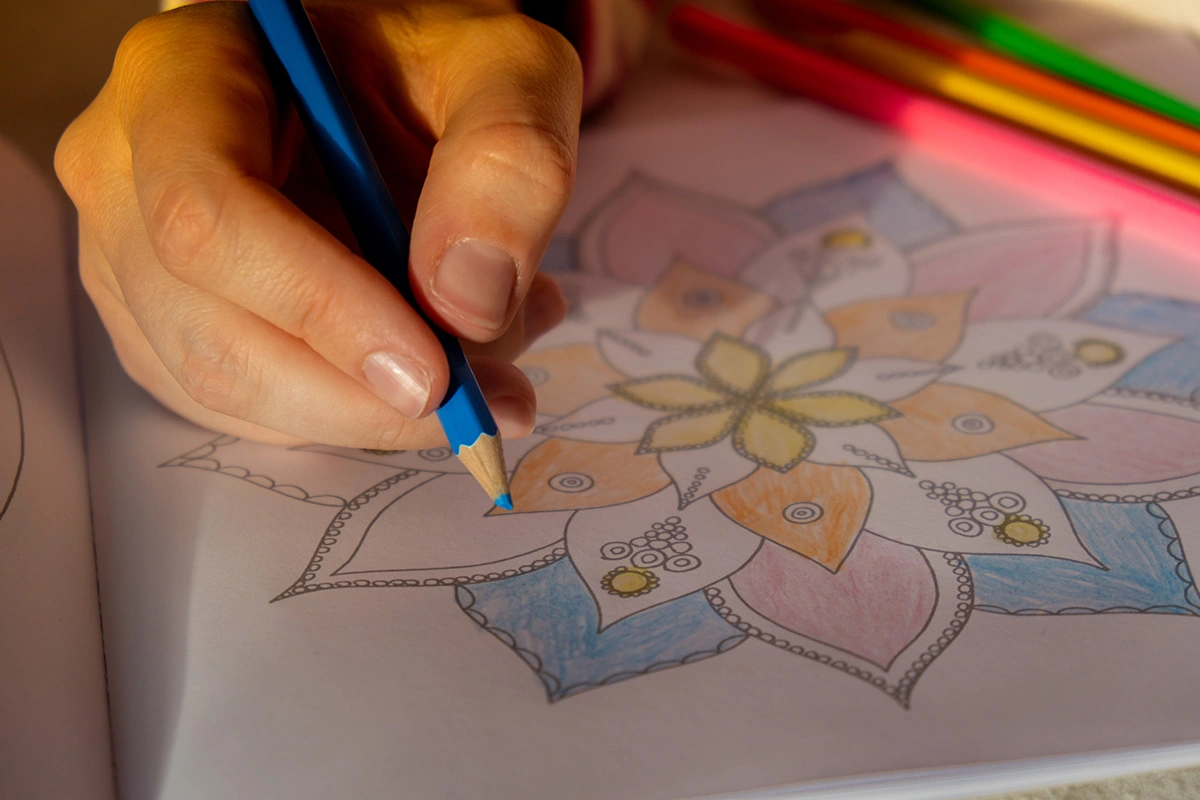
2. Try Mindful Doodling

Mindful doodling is when you draw simple, repetitive shapes or patterns while staying fully present in the moment. The first step is just to grab a pen and a piece of paper. Focus on your breathing and start drawing repetitive patterns or spirals. This meditative form of art helps calm the mind, similar to mandala coloring.

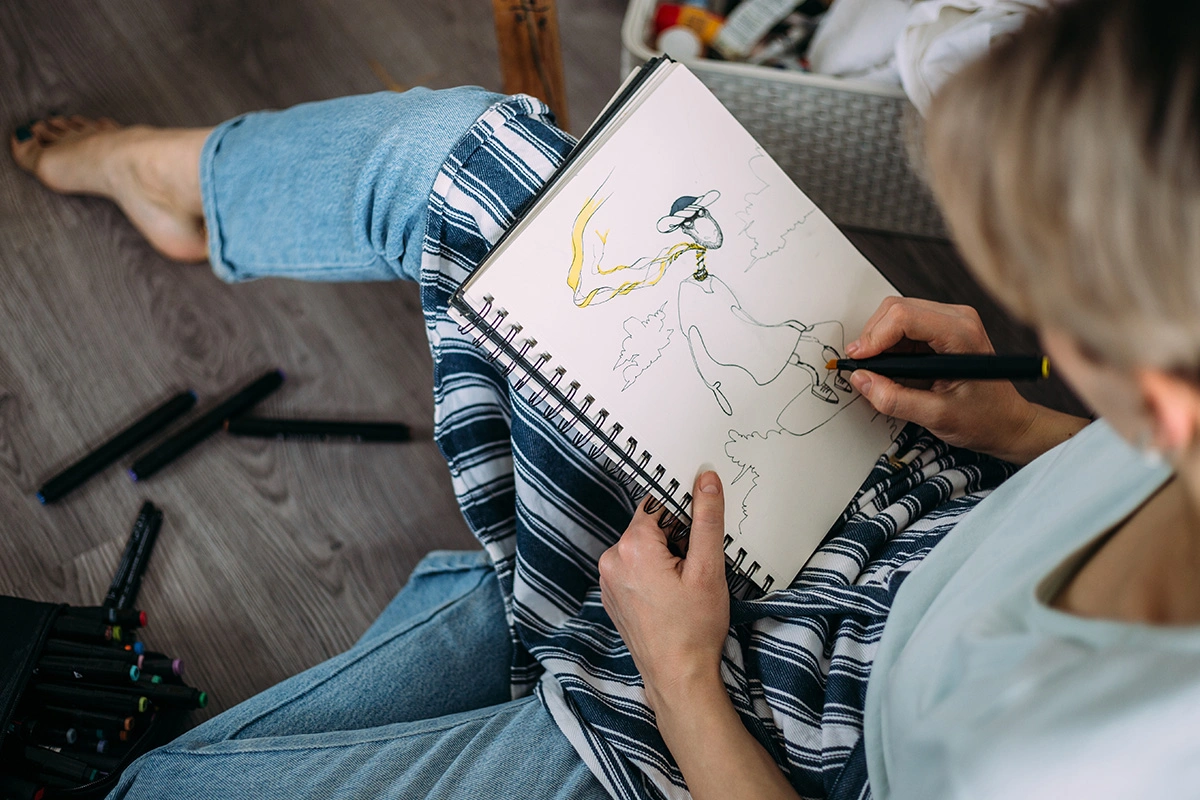
3. Keep an Art Journal Sketchbook

Make your art journal to express and draw your inner self. You can mix sketches, colors, or even magazine cutouts to represent your thoughts and feelings.

4. Use Prompts for Emotional Expression

If you’re not sure what to draw, try prompts like:

  • “Draw what peace looks like to you.”
  • “Sketch a place where you feel safe.”
  • “Create an image of your current mood.”

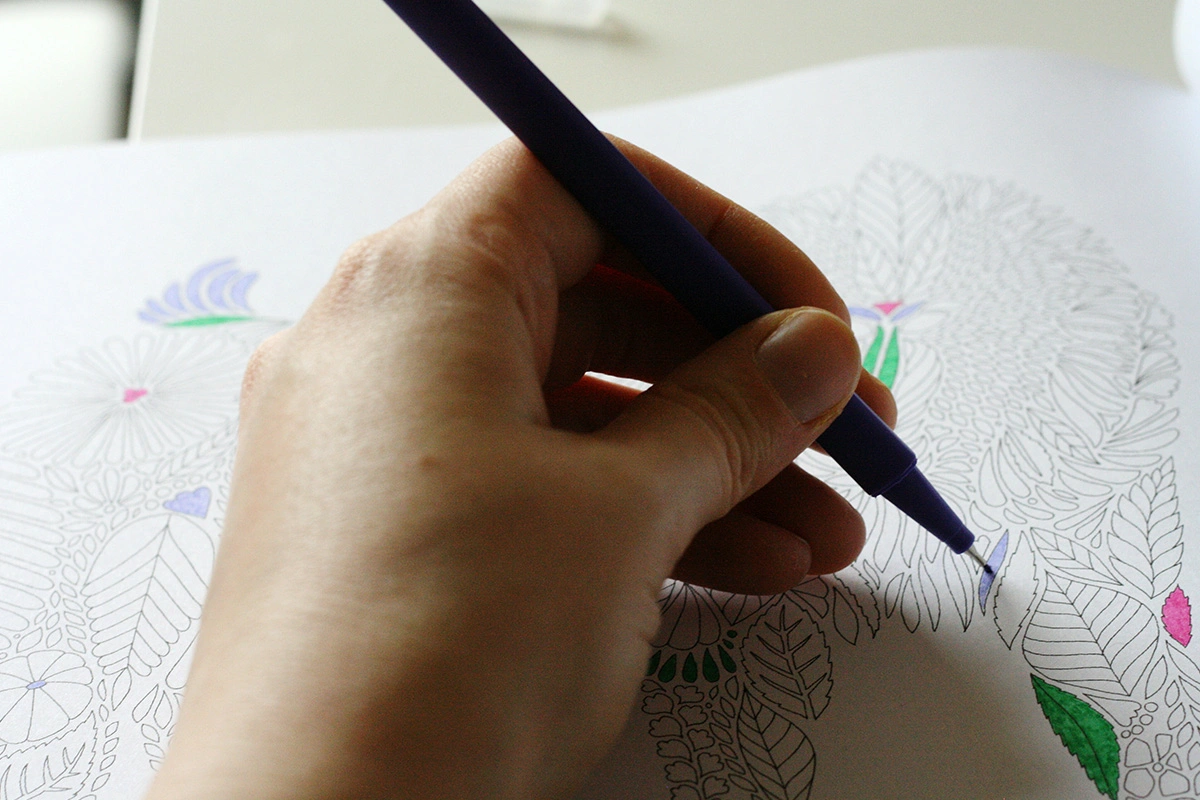
5. Coloring Books for Adults

Adult coloring books are an amazing and low-effort way to reduce stress. Studies show they can help decrease symptoms of anxiety and improve focus.

6. Join an Online Drawing Challenge

Sometimes sharing your creative journey with others helps you stay consistent. Try Instagram art challenges or local mental health art events.

When to Consider Professional Art Therapy

As we all know that drawing on your own is deeply healing, but art therapy takes it a step further. A licensed art therapist helps you explore emotions through guided creative sessions. It’s especially beneficial for those dealing with:

Art therapists create a supportive environment where your drawings become part of your nonverbal healing conversation. They help interpret what your art might say about your inner state, safely and gently.

When to Consider Professional Art Therapy

Frequently Asked Questions

A mental health drawing is simply using art like doodling, sketching, or painting, to express your emotions and calm your mind. It’s not about talent; it’s about turning feelings into visuals that help you release stress and feel lighter.

Yes! Studies have proven that creative activities like drawing boost a hormone called dopamine (the “feel-good” chemical) and improve mood. Many people find that sketching regularly helps reduce anxiety, sadness, and emotional tension over time.

The start is so simple. Just grab a pencil, breathe deeply, and make random lines, shapes, or patterns. Just be in the moment and let your hand move. These practices will make you confident, and you will find a beautiful comfort with each piece of your drawing.

Yes, it is. Drawing is visual journaling. While writing uses words, drawing uses colors and images. Both help you process emotions. But art sometimes expresses what words can’t capture.

Conclusion

Art doesn’t just decorate life; it heals it. Mental health drawing is your personal therapy session with paper and pencil, a moment to breathe, express, and release. Whether you draw every day or once in a while, every stroke brings you closer to understanding yourself.

You don’t have to be perfect, or even “good” at it. You just have to begin. Because when you draw, you’re not just creating art, you’re creating peace.

Revision History

Updated publication: Nov 19, 2025
Author: Dr. Sacha Cohen, Fact Checker: Dr Kazi, Seema
Original Publication: May 28, 2025
Author: Dr Kazi, Seema, Fact Checker: Dr. Sacha Cohen

Author

Dr. Sacha Cohen

Medical & Clinical Educator
Dr. Sacha Cohen is a healthcare professional and medical content writer with experience in clinical training and academic writing. She specializes in creating research-based, accessible healthcare content. With a foundation in medical education and hands-on clinical practice, she brings depth and clarity to every piece she writes. Passionate about making medical knowledge understandable, she aims to educate and inspire her readers.

Picture of Dr. Kazi, Seema

Dr. Kazi, Seema

Dr Seema Kazi is a board-certified psychiatrist and a proficient Medical Director of Mid Cities Psychiatry at Euless, Texas.

Fact Checker

Dr. Seema Kazi, MD

Dr. Seema Kazi

Founder & Medical Director
Dr. Seema Kazi is the compassionate force behind Mid Cities Psychiatry, where her vision has shaped a practice rooted in empathy, excellence, and patient-centered care. As a triple board-certified psychiatrist in Psychiatry, Geriatric Psychiatry, and Internal Medicine, Dr. Kazi brings over 20 years of clinical experience to her leadership role.

Did you ever experience such a situation, where you were a little stressed and felt calmer after doodling or sketching something in your notebook? It’s not just a coincidence; it’s actually the magic of art, which is a quiet, healing force, and we’re going to reveal it in today’s article. Drawing isn’t just an art activity alone; perhaps it’s a conversation between your emotions and your imagination. This beautiful process is what many refer to as mental health drawings, a simple yet powerful way to heal, express, and understand yourself on a deeper level.

 In today’s blog, we will shed a light on mental health drawings, how this simple activity works as therapy, the science behind it, and how this activity can be used to support your mental well-being.

Table of Contents

Understanding Mental Health Drawings

Understanding Mental Health Drawings

Mental health drawing is an art activity which means to use drawing or sketching as a way to express emotions and reduce stress and anxiety. For this mind relaxing activity, you don’t need fancy tools or professional skills. It can be performed by just a pencil, some paper, and the willingness to let your feelings flow through lines, colors, and shapes.

The American Art Therapy Association (AATA) explains that art therapy helps people improve their well-being by creating art with guidance from a trained therapist. It can involve anything from drawing and painting to sculpting or clay modeling. All ways to express what words sometimes can’t and to find a sense of peace through creativity. Drawing is a fun and gentle way to express your inner self. When you put your emotions on paper, it helps release tension, ease anxiety, and bring a sense of calm to your mind.

The Mental Health Benefits of Drawing

Drawing is considered to have a magical power. You feel a kind of comfort when you get engaged in a drawing activity. When your hand moves, your thoughts divert. In that moment, your worries start fading. It’s like giving your mind a moment to breathe and reset. Drawing brings the following changes.

As we all know that drawing on your own is deeply healing, but art therapy takes it a step further. A licensed art therapist helps you explore emotions through guided creative sessions. It’s especially beneficial for those dealing with:

The Magical and Soothing Power of Drawings

1. It Shifts Your Focus

When you draw something as a drawing activity, your attention moves from your racing thoughts to the present moment. Actually, it shifts your focus from your constant worry and works just like meditation.

2. It Releases Built-Up Emotions

There is a time when some thoughts get stuck in your mind and affect your emotional well-being. Drawing helps release them safely. You might not realize it, but that messy, dark scribble or calm watercolor wash could be your emotions finding their way out.

3. It Lowers Stress Hormones

Research shows that creative activities like drawing can lower cortisol levels, the hormone responsible for stress, and boost the level of Dopamine (your happy hormone
). You can feel calmer and relax even with just a 20 mins of drawing session.

4. It Gives You Control

When life feels overwhelming, having control over something, even a drawing, can help you regain a sense of stability. You decide the colors, shapes, and flow. It’s your space to take charge.

Science Facts behind Art and Mental Health

Science Facts behind Art and Mental Health

Did you ever feel that there is something deeply soothing about watching a blank page fill with shapes and colors? Let’s look at the science behind it. Multiple studies have confirmed what artists have known for centuries: that creative activities have the power to heal. What actually happens inside our body when we are busy in drawing or any art activity?  Creative activities like art and drawing lower the hormone cortisol (linked to stress). So when you start sketching, your brain naturally shifts into a calm, meditative state.  It helps you stay in the moment and let go of what’s been weighing on your mind.

This means that drawing is not only a distraction. Drawing engages different parts of the brain, which are responsible for movement, memory, and emotional balance. This full-brain involvement often creates a “flow state,” where time seems to pause and your worries fade into the background. It’s almost like giving your overworked mind a quiet reset. Sharing here some of the research studies which supported mental health drawings as a therapeutic activity.

  • The researchers at Drexel University found that 75 percent of the participants’ cortisol levels lowered during their 45 minutes of making art. 
  • Another study from Harvard Health also highlights how art activities improve mood by increasing dopamine levels (the “feel-good” chemical), and enhance emotional resilience.
  • The American Art Therapy Association describes art therapy as a bridge between the conscious and subconscious mind, helping people understand and process complex feelings.

So, it’s evident that whether you’re sketching from imagination or doodling absentmindedly during a stressful day, your brain is actually doing deep emotional work for you.

The Mental Health Benefits of Drawing

Drawing is a form of expression that opens the door to communication without verbal interaction. You can express your emotions through his activity. Let’s have a look at some top benefits of mental health after drawing.

The Mental Health Benefits of Drawing

1. Reduces Stress and Anxiety

Drawing allows you to escape the loop of anxious thoughts. When you immerse yourself in lines and colors, your body naturally relaxes. Many people describe it as entering a “flow state” where time seems to stop.

2. Improves Mood

Dopamine is a happy hormone, and it makes your mood happy. So by drawing, doodling, or sketching, dopamine is released by the brain.

3. Boosts Self-Awareness

Your drawings often reflect your inner world, your fears, hopes, and moods. By reflecting on what you draw, you can understand yourself better and gain emotional clarity.

4. Helps with Trauma and Emotional Healing

Art is considered to be a safe way to express pain that feels too heavy to talk about. For those who are healing from trauma, this activity can provide them with a little bit of healing.

5. Encourages Mindfulness

This activity just takes you away from overthinking and brings you to the present moment. The brush strokes, the pressure of the pencil, the blending of colors. It’s a grounding, mindful experience that quiets mental noise.

Ways to Use Drawing for Your Mental Health

Ways to Use Drawing for Your Mental Health

If you want to use drawing as a therapeutic practice, here are some easy ways to start:

1. Start with a “Mood Drawing”

When you are done with all your day activities, just sit and draw whatever comes to your mind.  Don’t think, just let your hand move. Use colors, shapes, or lines that reflect your emotions.

2. Try Mindful Doodling

Mindful doodling is when you draw simple, repetitive shapes or patterns while staying fully present in the moment. The first step is just to grab a pen and a piece of paper. Focus on your breathing and start drawing repetitive patterns or spirals. This meditative form of art helps calm the mind, similar to mandala coloring.

3. Keep an Art Journal Sketchbook

Make your art journal to express and draw your inner self. You can mix sketches, colors, or even magazine cutouts to represent your thoughts and feelings.

4. Use Prompts for Emotional Expression

If you’re not sure what to draw, try prompts like:

  • “Draw what peace looks like to you.”
  • “Sketch a place where you feel safe.”
  • “Create an image of your current mood.”

5. Coloring Books for Adults

Adult coloring books are an amazing and low-effort way to reduce stress. Studies show they can help decrease symptoms of anxiety and improve focus.

6. Join an Online Drawing Challenge

Sometimes sharing your creative journey with others helps you stay consistent. Try Instagram art challenges or local mental health art events.

When to Consider Professional Art Therapy

As we all know that drawing on your own is deeply healing, but art therapy takes it a step further. A licensed art therapist helps you explore emotions through guided creative sessions. It’s especially beneficial for those dealing with:

Art therapists create a supportive environment where your drawings become part of your nonverbal healing conversation. They help interpret what your art might say about your inner state, safely and gently.

When to Consider Professional Art Therapy

Frequently Asked Questions

A mental health drawing is simply using art like doodling, sketching, or painting, to express your emotions and calm your mind. It’s not about talent; it’s about turning feelings into visuals that help you release stress and feel lighter.

Yes! Studies have proven that creative activities like drawing boost a hormone called dopamine (the “feel-good” chemical) and improve mood. Many people find that sketching regularly helps reduce anxiety, sadness, and emotional tension over time.

The start is so simple. Just grab a pencil, breathe deeply, and make random lines, shapes, or patterns. Just be in the moment and let your hand move. These practices will make you confident, and you will find a beautiful comfort with each piece of your drawing.

Yes, it is. Drawing is visual journaling. While writing uses words, drawing uses colors and images. Both help you process emotions. But art sometimes expresses what words can’t capture.

Conclusion

Art doesn’t just decorate life; it heals it. Mental health drawing is your personal therapy session with paper and pencil, a moment to breathe, express, and release. Whether you draw every day or once in a while, every stroke brings you closer to understanding yourself.

You don’t have to be perfect, or even “good” at it. You just have to begin. Because when you draw, you’re not just creating art, you’re creating peace.

Revision History

Updated publication: Nov 19, 2025
Author: Dr. Sacha Cohen, Fact Checker: Dr Kazi, Seema
Original Publication: May 28, 2025
Author: Dr Kazi, Seema, Fact Checker: Dr. Sacha Cohen

Author

Dr. Sacha Cohen

Medical & Clinical Educator
Dr. Sacha Cohen is a healthcare professional and medical content writer with experience in clinical training and academic writing. She specializes in creating research-based, accessible healthcare content. With a foundation in medical education and hands-on clinical practice, she brings depth and clarity to every piece she writes. Passionate about making medical knowledge understandable, she aims to educate and inspire her readers.

Picture of Dr. Kazi, Seema

Dr. Kazi, Seema

Dr Seema Kazi is a board-certified psychiatrist and a proficient Medical Director of Mid Cities Psychiatry at Euless, Texas.

Fact Checker

Dr. Seema Kazi, MD

Dr. Seema Kazi

Founder & Medical Director
Dr. Seema Kazi is the compassionate force behind Mid Cities Psychiatry, where her vision has shaped a practice rooted in empathy, excellence, and patient-centered care. As a triple board-certified psychiatrist in Psychiatry, Geriatric Psychiatry, and Internal Medicine, Dr. Kazi brings over 20 years of clinical experience to her leadership role.

Make your art journal to express and draw your inner self. You can mix sketches, colors, or even magazine cutouts to represent your thoughts and feelings.

Subscribe to Our Newsletter