Signs of Autism in Teens: A Parent's Complete Guide


The teenage years often emerge as a beautiful time in life, filled with energy, curiosity, and constant change. During this growing phase of life, teenagers go through significant physical, emotional, and social changes. As they navigate school, friendships, hobbies, and growing independence, they encounter challenges that are sometimes difficult to understand or manage. That’s why mental health in teens is such an important topic, and to raise awareness, we have created our comprehensive guide, Mental Health in Teens, for support through these years. For some teens, these challenges may also involve conditions like Autism. Autism can affect how a teen communicates, interacts socially, and processes the world around them. Recognizing the signs and symptoms of Autism in teens early can make a big difference in how they experience school, friendships, and home life. In this guide, you will get to know about the key indicators of Autism, how it may show differently in boys and girls, and practical ways parents and caregivers can provide support and encouragement.
Table of Contents

Understanding Autism in Teenagers
Autism is a neurodevelopmental condition that affects how an individual communicates, interacts socially, and experiences the world. Teens with Autism may have unique ways of connecting socially. Autistic teens often prefer routines or specific interests that feel comforting and familiar. As during teenage years, school demands, social expectations, and peer interactions grow more complex, so that’s whys signs of Autism are more recognizable during teenage years. Since every teen is different, the signs of Autism can appear differently from one teenager to another. Early recognition and intervention are essential to deal with challenges, improve outcomes, and enhance the quality of life for teens with Autism.
Everyday challenges can feel even more overwhelming for an autistic teen. Difficulties with understanding social cues, adapting to unexpected changes, or expressing emotions can make typical teenage experiences stressful or isolating Recognizing the early signs and symptoms of Autism in teens is essential. Early awareness allows parents and caregivers to provide timely support, reduce misunderstandings, and help teens build coping strategies before challenges escalate.
Signs and Symptoms of Autism in Teens
Sign and symptoms of autism vary among teenagers. So, it is important for parents and caregivers to recognize the characteristics associated with autism. Some of the common Signs of autism are mentioned below:
- Poor eye contact
- Difficulty in expressing emotions
- Using only a few gestures (waving, clapping, pointing)
- Unusual ways of moving the hands, fingers, or whole body
- Focusing on unusual objects
- Difficulty in socializing and making new friends
- Behaviours such as repeating things over and over or lining up objects
- Inability to understand others’ emotions
- Trouble in handling sensory information, such as loud noises, bright lights or crowds
- Difficulty in reading social cues. They might not understand body language or facial expression; they might stand too close or ignore signs of boredom or frustration.


Autism in Teen Girls vs. Teen Boys
Autism doesn’t always look the same in every teen, and sometimes the differences between girls and boys are noticeable. Recognizing this can help avoid under diagnosis or misinterpretation.
Symptoms May Show Up in Teen Girls
- Girls often “mask” their difficulties, mimicking behaviors of peers, forcing eye contact, and practicing social scripts, which can make signs of Autism less visible to others.
- They might internalize struggles more: instead of obvious behavioral differences, they may feel more anxiety, depression, or emotional exhaustion. Because symptoms are masked or subtler, it’s easy to mistake them for shyness or typical teen moodiness.
- Their interests or repetitive behaviors might be less stereotypical. For example, intense fascination with books, animals, or art, which can be easily accepted as “normal teenage obsession.”
Symptoms May Show Up in Teen Boys
- Boys might display more noticeable behaviors: repetitive movements, stimming, strong resistance to changes in routine, or difficulty fitting into social situations.
- Social communication differences (like trouble interpreting social cues or sustaining friendships) may be more obvious.
- Sensory sensitivities, emotional regulation issues, and executive functioning difficulties can also be prominent, affecting school performance, friendships, and daily life.
Why Girls Are Often Underdiagnosed
Because of masking and subtler symptoms, many autistic teen girls go unnoticed. Their struggles may be misinterpreted as anxiety, depression, or “just being quiet.” That’s why a deeper understanding and sometimes a professional evaluation is so important.
Common Challenges for Autistic Teenagers
As kids grow into their teen years, you might start noticing certain challenges that make you wonder whether autism could be part of what they’re experiencing. These challenges alone don’t mean a teen is autistic, but they can be signs that it might be helpful to talk to your doctor or another health professional about a late autism assessment.
Here’s what you might see:



- Sleep difficulties: Many autistics and teens struggle with sleep. They may have trouble falling asleep, wake up multiple times, or have a sleep pattern that never seems consistent.
- Anxiety or feeling overwhelmed: New places, unfamiliar situations, or social events with lots of people can feel extremely stressful. For some autistic teens, this stress can build up and lead to emotional overload or meltdowns.
- Low mood or depression: Some autistic teens become very aware of how they’re different from others. If they feel left out, misunderstood, or even bullied, it can take a toll on their self-esteem. As during teen years there are noticeable hormonal changes due to puberty, which can make such feelings more intense. Teen with autism may sometime feel low mood or depressive episodes.
- Challenging or aggressive behavior: Sometimes a teen might express frustration or confusion through anger or outbursts. When they can’t fully understand what’s happening around them or can’t communicate their feelings, acting out becomes their way of coping.
- Eating difficulties or eating disorders: Strong reactions to certain food smells, tastes, or textures can make eating tough. In some cases, teens may use eating habits as a way to feel more in control of their environment.
- Trouble with planning and organization: Managing school schedules, assignments, or priorities can feel overwhelming. Tasks that require planning or multitasking may be especially hard for autistic teens.
School Refusal
A teen might be brilliant in areas of interest but struggle with assignments that require flexible thinking, planning, or social participation. Changes in class structure, unpredictable homework, or group work may feel overwhelming. Some autistic teens may resist going to school because they feel unsafe, anxious, or are struggling socially, often due to bullying.
- Friendships & Social Life challenges: Navigating peer relationships, understanding jokes, sarcasm, and nonverbal cues, can be draining. Peer pressure, social misunderstandings, or bullying may lead to isolation.
- Home & Family Difficulties: Sensory sensitivities or emotional overload can make home life tough. A teen may need quiet time, structured routines, or understanding when overwhelmed.
Tips for Parents and Caregivers for Supporting a Teen with Autism
If your teen shows signs of Autism (or gets diagnosed), there are many ways to support them so they can grow confidently:
- Create a predictable, supportive home environment: Routines, clear expectations, and consistency go a long way.
- Respect their sensory and emotional needs: As crowds, noise, and sometimes light makes them quite uncomfortable, it’s better to provide them peaceful space and understand their emotional needs.
- Encourage their interests: Motivate them for doing what they love and become a support system in building their confidence.
- Work with school and professionals: Stay connected with your Autistics teen’s therapy team, school teachers, counselors for better results.
- Open communication: Let your teen know it’s okay to be themselves and that being different is not a flaw but part of who they are.
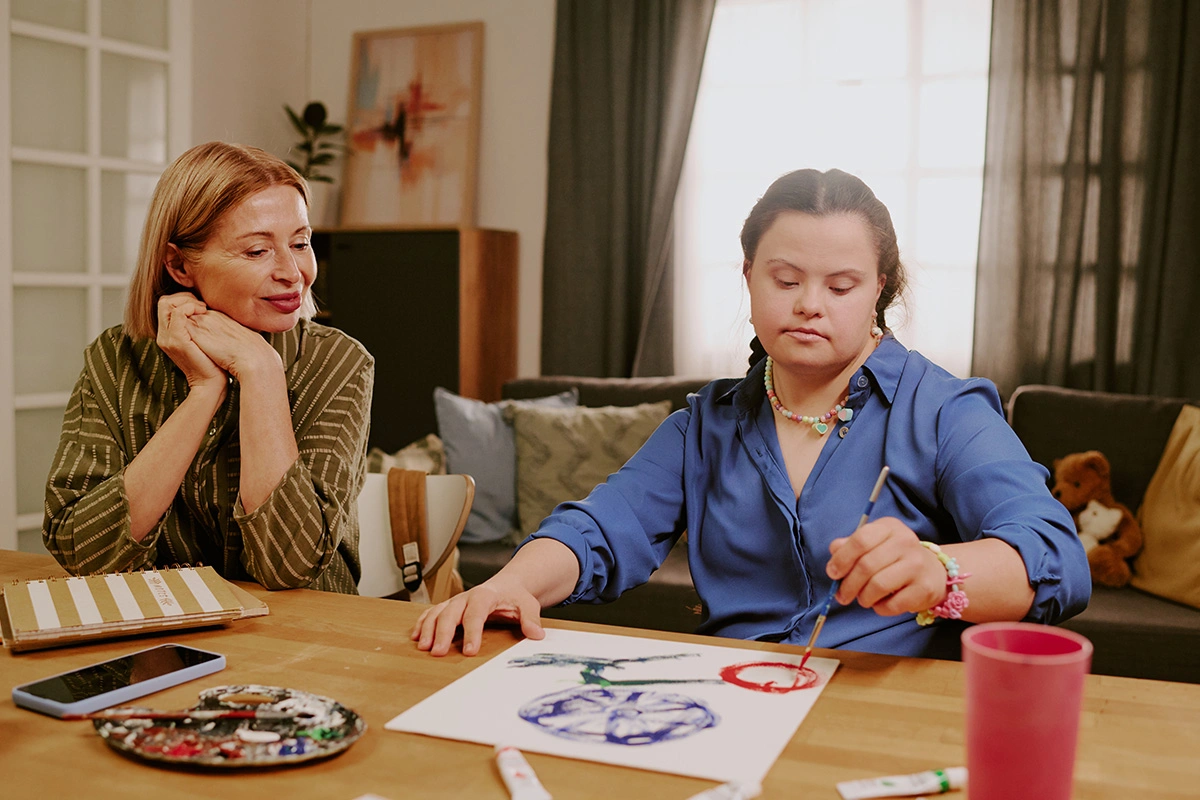

Seeking Professional Support for Your Autistic Teen at Mid Cities Psychiatry
As a parent, it can be heartbreaking and emotionally exhausting to see your teen struggling during beautiful growing years of life. At Mid Cities Psychiatry, we truly understand what both parents and teens are going through, and we’re here to support you in your emotionally struggling times. Our compassionate team of mental health professionals is dedicated to supporting teens who may be facing autism-related challenges or any other mental health concerns. Whether your teen needs guidance, mental health evaluation, therapy, or ongoing care, we’re here to help them feel understood, supported, and empowered.
Frequently Asked Questions
Autism primarily affects social communication, repetitive behaviors, and sensory sensitivities. ADHD often shows as impulsivity, inattention, and hyperactivity whereas anxiety may cause withdrawal or worry, but it doesn’t usually involve the social and behavioral patterns seen in Autism.
Yes. Signs of autism in teen girls are less visible as compare to boys. Girls often mask symptoms by mimicking peers or hiding struggles. Boys typically show more noticeable social difficulties or repetitive behaviors
Absolutely. Mild or “high-functioning” Autism can be subtle, especially in girls who mask symptoms. Teens may struggle socially or emotionally without showing obvious behaviors, leading to delayed or missed diagnoses. Early awareness of subtle signs can help parents seek evaluation and support.
Parents can support social skills by providing structured social opportunities, practicing role-playing or conversation skills, encouraging peer interactions aligned with their teen’s interests, and collaborating with schools or therapists. Patience, consistency, and positive reinforcement are key to helping teens build confidence in social situations.
Conclusion
Every teenager has always some unique abilities, interests and challenges. But in case of a teen with autism, challenges are different. With the right guidance, a supportive environment, and access to professional care, Teens with autism can also grow in to empowered young adults. The journey of autism is not very smooth but with right mental health support from a professional can make things easier. Always celebrate small wins, stay connected with your teen, and don’t hesitate to reach out for help when you need. As a parent you are doing incredible job and we acknowledge your efforts which you have been doing for your teens with Autism. If you ever feel/ need extra support, the team at Mid Cities Psychiatry is here to support you in helping your teen feel seen, supported, and prepared for whatever comes next.
Revision History
Author

Dr. Sacha Cohen
Medical & Clinical Educator
Dr. Sacha Cohen is a healthcare professional and medical content writer with experience in clinical training and academic writing. She specializes in creating research-based, accessible healthcare content. With a foundation in medical education and hands-on clinical practice, she brings depth and clarity to every piece she writes. Passionate about making medical knowledge understandable, she aims to educate and inspire her readers.

Dr. Kazi, Seema
Dr Seema Kazi is a board-certified psychiatrist and a proficient Medical Director of Mid Cities Psychiatry at Euless, Texas.
Fact Checker

Dr. Seema Kazi
Founder & Medical Director
Dr. Seema Kazi is the compassionate force behind Mid Cities Psychiatry, where her vision has shaped a practice rooted in empathy, excellence, and patient-centered care. As a triple board-certified psychiatrist in Psychiatry, Geriatric Psychiatry, and Internal Medicine, Dr. Kazi brings over 20 years of clinical experience to her leadership role.