Depression in Men vs Women: Understanding Gender Differences


Depression affects millions of people worldwide, yet it does not look the same in everyone. Depression manifests itself differently in people. For example, you might notice a man experiencing depression may appear angry or emotionally distant, while a woman may openly express sadness or vulnerability. These differences highlight how depression is experienced distinctly across genders. Recognizing these variations allows you to realize when someone requires assistance or needs support.
Depression in men and women presents itself in a different form, which can lead to changes going unnoticed. Men may never shed tears, but might engage in risky activities or express irritation and anger. While women may cry easily, express their emotions, and share their hopelessness. Both men and women are experiencing depression, but their physical symptoms can be entirely different.
In this blog, we will explore these significant differences, the why behind them, and how understanding these patterns can lead to improved treatment outcomes.
Table of Contents
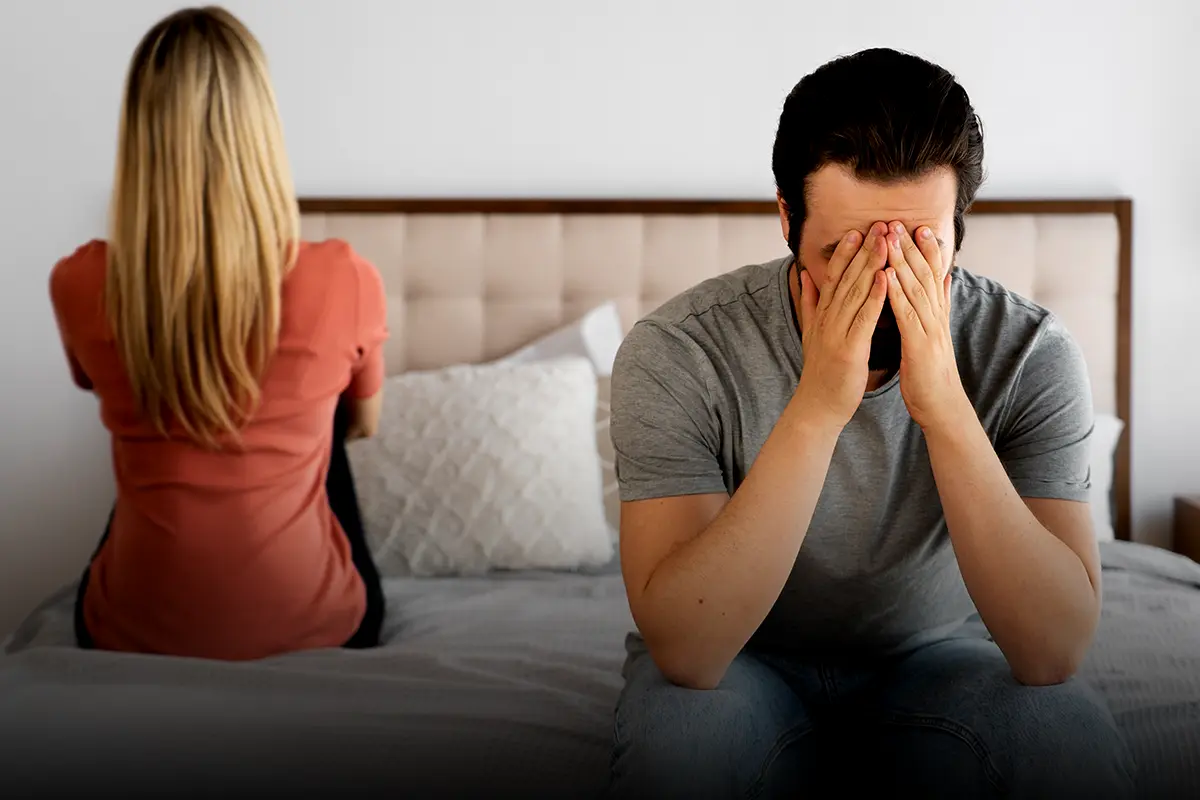
The Symptoms of Depression in Men vs Women
Understanding how depression impacts men and women is crucial. It is important to know how depression affects men and women since the condition is different in the two genders. Men and women have different symptoms, express themselves differently, and cope with their challenges differently.
These differences often lead to misdiagnosis or late treatment, which can affect mental health outcomes. Understanding gender-specific trends can help medical professionals provide more effective care and empower individuals to recognize when they or their loved ones need assistance.
By understanding how depression manifests differently in men and women, we can structure truly effective treatment strategies. Studies reported that women are more frequently diagnosed with depression; however, this does not mean that men are any less likely to experience it. Men may suppress their symptoms or manifest them in a way that does not align with the usual diagnostic criteria.
Whether you are experiencing these symptoms or your loved ones, knowing these differences could be life-changing steps towards more positive treatment results for all parties involved.
Depression in Women
Depression in women is more commonly diagnosed and discussed in medical settings. Women are twice as likely to be diagnosed with depression compared to men. Women are more prone to symptoms of constant sadness, crying, feeling worthless, and feeling guilty. They are more open to talking about their emotional distress, which can help in early diagnosis and earlier treatment.
The psychological well-being of a woman is mostly influenced by the hormonal changes that occur in her life. Some of the hormonal changes that can instigate or worsen the symptoms of depressed females include menstrual periods, pregnancy, postpartum, and menopause. Premenstrual dysphoric disorder is a severe form of PMS that goes hand in hand with depression effects, and a major population suffers from it.
One in seven women who give birth to a child experiences postpartum depression, which results in severe sadness and anxiety. Women also complain of physical signs and symptoms in addition to their emotional problems, such as insomnia, appetite changes, and lasting fatigue. The symptoms are usually interrelated such that physical pain exacerbates emotional pain, and the patient cannot recover without the appropriate support.


Depression in Men
Depression among men is usually unnoticed since symptoms don’t align as one would expect. Rather than being depressed, men often display irritability, anger, and aggression. They are more likely to complain about physical problems such as headaches, digestive issues, and chronic pain rather than expressing emotional struggles.
Men can also be involved in risky activities such as drug abuse, irresponsible driving, or unsafe activities to cope with their internal pain, which they cannot express.
Cultural norms significantly influence how men experience and express depression. Society often conditions men to believe that showing vulnerability is a sign of weakness, making them less likely to seek help when they are in emotional distress. Men typically do not open up about their feelings with friends, family, or medical professionals.
Instead, they may turn to workaholism, isolation, or substance abuse. Men die by suicide almost four times than women. This highlights the urgent need to identify and address depression in men before it escalates into a crisis
Key Differences in Symptoms, Emotional Expression, and Behavior
When you closely observe the manifestation of depression in men and women, the differences in their symptoms are striking. Women normally carry their depression inward, developing sadness, hopelessness, and too much guilt. They tend to attribute their hardships to their own faults and would be excessively apologetic.
Men, on the other hand, externalize depression by feeling angry, irritable, and blaming other people or situations. Females tend to develop anxiety as well as depression, which interact to compound the symptoms of the two ailments. Men can cover up depression by being aggressive or by seeming cold and indifferent towards the individuals that they love most.
Gender disparities are also vast in their behavioral response to depression. Depressed women isolate themselves, lack interests to things they used to like, and are incapable of making decisions. They can cry frequently and talk publicly about being overwhelmed. Men can remain in their ways and be hollow inside, or they can be radically transformed.

They are predisposed to alcohol or drug abuse to become numb to feelings. Men are also possessive and hostile in relationships. Women do not feel like being alone, and they need social support when they are depressed, but the males like to be in their own domain. The awareness of these behavioral patterns is potentially useful to realize that a person is experiencing depression when he/she is not specifically seeking assistance or admitting that he/she is in trouble.


Biological and Hormonal Influences
Biology has a significant role in gender disparities in depression. The hormones in women change over the course of their lives, which directly affect their brain chemistry and mood. Estrogen and progesterone influence serotonin and other neurotransmitters that govern emotions.
These hormonal changes may cause depressive episodes during menstruation, during pregnancy, in the postpartum period, and during menopause.
Depression can also be affected by women through birth control and hormone replacement therapy. It has been found that women have the possibility of being more sensitive to stress hormones and, therefore, more susceptible to getting depressed when they undergo stressful experiences or when their lives change.
Men possess relatively constant levels of hormones compared to women, yet testosterone is vital in male psychological health. Men with low testosterone levels have been reported to be at risk of depression. As men grow older and the level of testosterone is reduced naturally, the level of depression can rise. Nevertheless, the statistics on male vs female depression imply that not everything is due to biological factors.
The processing of emotions by men varies; some studies have shown that the brains of men can be less active in the areas of the brain related to the processing of emotions. Genetic factors play a part as well, with some people having genetic predispositions that react to environmental stressors differently depending on gender. Such biological variations imply that individualized treatment strategies that take into account gender specific effects usually yield improved results for all.
Social and Environmental Factors
The expectations set by society influence how men and women experience and manage depression. Girls are also taught to be emotional and find people who can support them and be ready to share their ideas since childhood. Boys, on the other hand, are instructed to be strong, independent, and to be controlled emotionally. These gender lines are carried over into adult lives, and they are manifested in their attitude and response to depression.
Women face unique sources of stress that fall under gender discrimination, wage inequality, higher rates of sexual assault, and having to juggle both the workload and family life. Many needs need to be satisfied simultaneously, which may overwhelm women and cause depression that does not seem to be surmountable without assistance.
Men encounter other equally effective social pressures that influence mental health. Conventional masculinity does not tolerate the display of weakness or emotionality; hence, it becomes difficult to detect depression in a man or seek attention. Unemployed and financially strained men are prone to shame that causes or exacerbates depression. Relational issues strike men especially when they have no emotional networks beyond their relationships.

Men experiencing stress and anxiety related to performance expectations at work or home may develop depression without understanding what’s happening. The perception and discussion of depression also depend on cultural backgrounds, with different cultures being more stigmatizing of mental health problems than others. These societal issues imply that successful treatment of depression involves consideration not only of biology but also of the environmental conditions forming the daily experience of each individual.

Therapy and Medication Considerations
Men might not be willing to enroll for traditional talk therapy, but they are more open to treatment that feels practical and goal-oriented. The majority of men respond to therapies that involve physical exercise, problem-solving, or goal-focused therapies. Group therapy with other men can help reduce feelings of isolation and normalize emotional experiences.
When it comes to medication, male patients generally have predictable results because hormonal variations do not complicate treatment as much. However, the other antidepressants can affect testosterone levels and the sex life, hence discouraging men who are on the medication.
Healthcare providers treating mood disorders should discuss these potential side effects openly and adjust medications when problems arise. Personalized treatment plans considering individual circumstances, preferences, and gender-specific factors produce the best long-term outcomes.
Role of Awareness, Education, and Early Intervention in Gender-Specific Depression
Creating awareness about how depression can present differently in men and women can save lives. Many individuals are not aware of depression symptoms, so it is important to be aware of them for better emotional and mental well-being. Educational programs that highlight irritability and anger as potential signs of depression are essential for identifying men who may be struggling but would otherwise go unnoticed.
Raising awareness about the fact that women who exhibit physical symptoms without clear causes may be experiencing depression can enhance timely detection. Schools, workplaces, and community organizations can provide education that normalizes conversations about mental health and reduces the stigma associated with seeking help. The more people learn about depression in men compared to women, the better they will be at recognizing potential warning signs. Early intervention has a great impact on improving the outcomes of depressed individuals. Depression is easier to treat when it is caught at an early stage, and it has fewer effects on work, relationships, and overall good life. The medical practitioners are expected to check and pose gender-based questions that disclose the hidden signs of depression.

The family and friends play key roles in identifying the changes and compelling the loved ones to seek help. With the creation of a culture where a person will not feel embarrassed to discuss mental health and will not be judged in any way, one can intervene even earlier. Whether someone is dealing with gender dysphoria or traditional depression, early support and treatment provide the best chance for full recovery. Awareness and education transform how we recognize, discuss, and treat depression across all populations effectively.
Frequently Asked Questions
Women are diagnosed twice as often, but men complete suicide at four times the rate. Both genders can experience severe depression, though men’s symptoms are often missed.
Yes. Women’s hormonal changes affect medication response, while men often prefer action-focused therapy. Personalized treatment based on gender works best.
Yes. Menstrual cycles, pregnancy, postpartum, and menopause cause hormonal fluctuations that directly impact mood and increase the risk in women.
Yes. Depression often shows as physical symptoms like pain or fatigue. Men especially may display anger or irritability instead of sadness.
Conclusion
The differences in men and women cause depression through biological, hormonal, social, and cultural factors. Women are more likely to represent the typical symptoms of depression, such as sadness and crying, while men often express irritability and anger. Increasing awareness of how depression manifests in both genders can enhance the accuracy of diagnosis and treatment. Biological factors, including hormones, play a significant role in influencing the risk of depression and the presentation of its symptoms.
The influences of social expectations shape how people experience and express their struggles. Treatment should involve individual methods with gender-related factors. If you or someone close to you is showing signs of depression, it is important to consult a professional. Mid Cities Psychiatry provides the right treatment and early intervention that can save lives and prevent tragic outcomes.
Revision History
Author

Dr. Sacha Cohen
Medical & Clinical Educator
Dr. Sacha Cohen is a healthcare professional and medical content writer with experience in clinical training and academic writing. She specializes in creating research-based, accessible healthcare content. With a foundation in medical education and hands-on clinical practice, she brings depth and clarity to every piece she writes. Passionate about making medical knowledge understandable, she aims to educate and inspire her readers.

Dr. Kazi, Seema
Dr Seema Kazi is a board-certified psychiatrist and a proficient Medical Director of Mid Cities Psychiatry at Euless, Texas.
Fact Checker

Dr. Seema Kazi
Founder & Medical Director
Dr. Seema Kazi is the compassionate force behind Mid Cities Psychiatry, where her vision has shaped a practice rooted in empathy, excellence, and patient-centered care. As a triple board-certified psychiatrist in Psychiatry, Geriatric Psychiatry, and Internal Medicine, Dr. Kazi brings over 20 years of clinical experience to her leadership role.