




Postpartum Depression: Symptoms, Causes, Treatment, and Recovery After Childbirth
Having a baby is, without any doubt, an overwhelming experience. The moment when you hear the first cry of your baby and hold in your arms is indeed a life-changing journey. Well, becoming a parent is a heart-pounding feeling, but it can also be a physically tiring and mentally draining experience. Yes, you read that right!
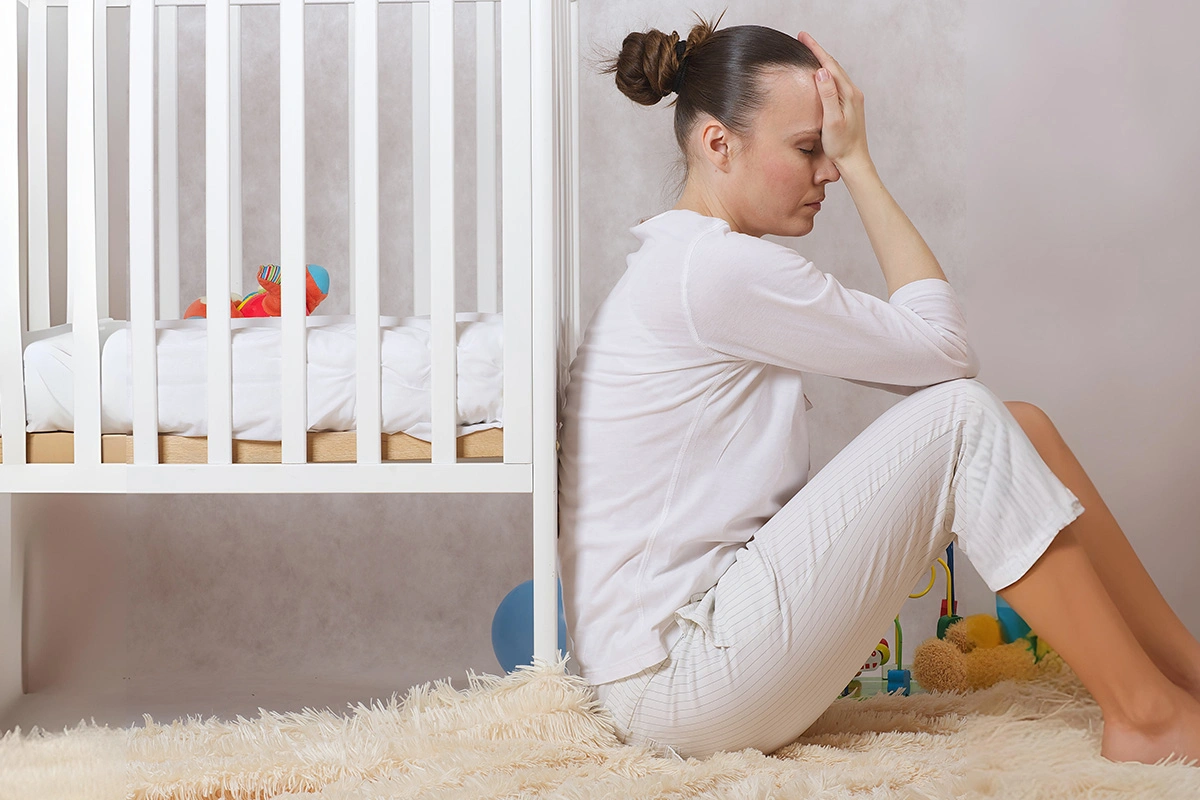
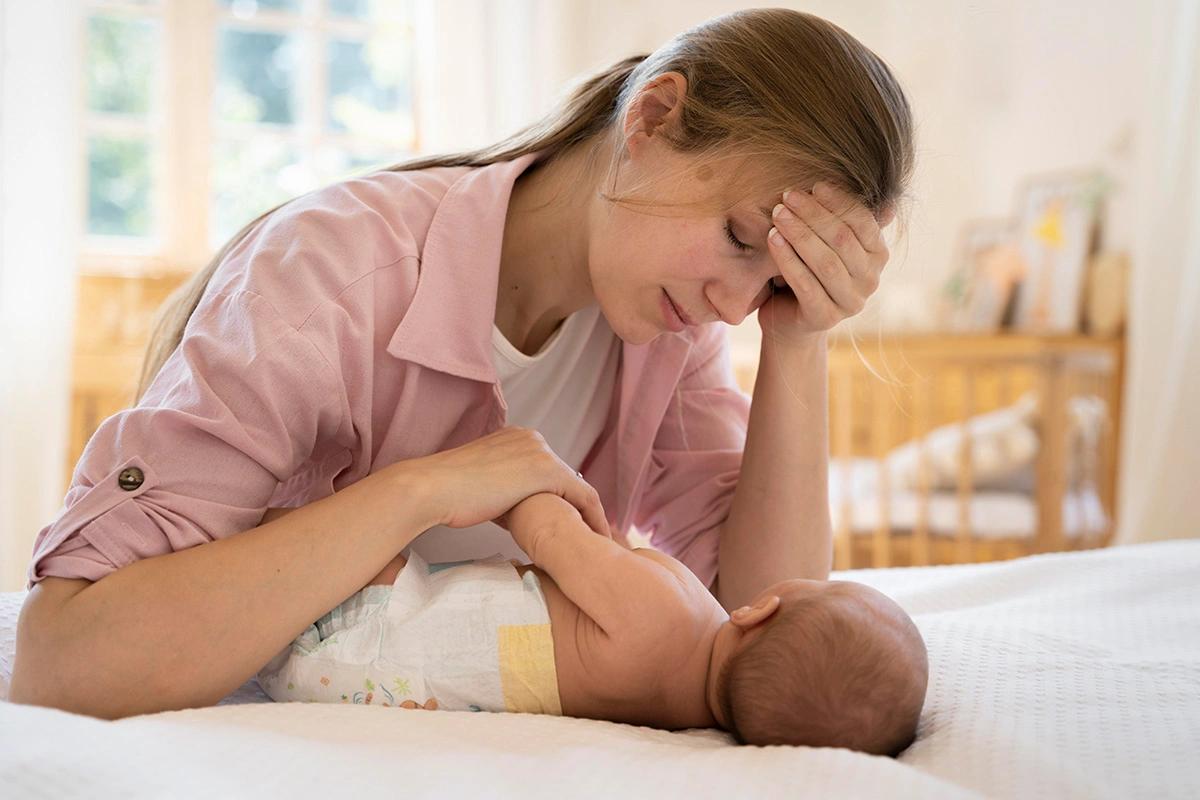
After childbirth, mothers often feel intense sadness, loneliness, crying episodes, constant fatigue and extreme, sudden mood swings. These feelings are collectively known as Postpartum Depression. And this is usually common in first time mommies. Postpartum Depression, also known as Postnatal Depression, is a specialized kind of depression that develops after childbirth. It can start two to three days, and can last up to one year after childbirth. Furthermore, it is far more serious and impactful than temporary fatigue, anxiety, and mood swings, as it affects baby care as well. According to a report by the Anxiety and Depression Association of America, about 10% to 15% of mothers suffer from Postpartum Depression.
Table of Contents
Emotional and Physical Signs and Symptoms of Postpartum Depression
Postpartum depression is a common condition, especially in first-time mothers. It can not only significantly affect the mother’s mental health but can also result in damaging her bond with her partner, family, loved ones, and even the newborn. Thus, it is important to timely identify the Postpartum depression symptoms and seek help. Here, we have enlisted the common signs of Postpartum Depression. Let’s have a quick look at them!
Emotional Symptoms:
- Constant sadness and low mood
- Excessive guilt for not caring enough for the child
- Frequent crying or tearful episodes
- Feeling worthless and hopeless
- Persistent irritability and low self-esteem
- Extremely frequent mood swings
Behavioral Symptoms:
- Loss of interest in hobbies and enjoyments
- Feeling disconnected from the baby
- Avoiding interaction with partner and family
- Overeating or loss of appetite
- Changes in sleeping patterns
- Difficulty in concentrating, thinking, or decision-making
Physical Symptoms:
- Extreme exhaustion and fatigue
- Headaches and bodyaches
- Rapid heartbeat due to anxiety
- Shortness of breath (stress-related)
- Muscle tension or extreme weakness
- Sudden rapid weight loss
Postpartum Depression vs Baby Blues: What’s the Difference?
After giving birth, feeling low and overwhelmed is common. Your hormone levels experience a roller coaster ride that can significantly impact your mood. These feelings may start on the second or third day of your baby’s birth and may end in 1 or a maximum of 2 weeks. These short term, temporary mood changes are called “Baby Blues,” sometimes referred to as “Postpartum dysphoria.”
However, if these feelings persist for more than a few weeks and get intensive with time, you may have what’s called “Postpartum Depression.” Hence, the differences between baby blues and Postpartum Depression are the lasting period and severity of symptoms.
Common Causes of Postpartum Depression
The main cause behind this Depression is the hormonal shift in the process of pregnancy and childbirth. During pregnancy, the level of progesterone and estrogen significantly increases. But after childbirth, these hormonal levels decrease rapidly. This sudden and quick drop in the hormones may result in causing Postpartum Depression.
Additionally, several factors like complications during pregnancy, traumatic childbirth experience, prolonged labour, severe pain, and premature birth can also contribute to Postpartum Depression causes.
Risk Factors for Postpartum Depression
Childbirth is a complicated process, and so are its aftereffects. In addition to hormonal shifts, there is also an extensive list of risk factors that can increase your chances of Postpartum Depression, such as:
- Previous history of Depression or anxiety
- Family history of Depression or any other mental disorder
- Complications or stress in managing a newborn
- Inability to adapt to new life changes
- Experiencing motherhood first-time
- Very young mother or older motherhood
- Have a baby with special needs
- Isolation or lack of family support
- Additional emotional stress, like the death of loved ones, marital conflicts, complicated pregnancy, financial problems, etc
Treatment Options for Postpartum Depression
Here’s a quick rundown of the effective treatment options for Postpartum Depression in mothers:
- Postpartum Depression Medication: The treatment plan often starts with medications like anti-depressants and anti-anxiety for Depression. Our expert healthcare experts provide special attention to every mother and prescribe lactation-safe medications.
- Cognitive Behavioral Therapy: Cognitive Behavioral Therapy is an effective type of psychotherapy. It focuses on changing the thoughts and behavioural patterns of mothers, leading them to a positive perspective of motherhood.
- Interpersonal Therapy: It is a short-term but highly productive therapy for Postpartum Depression that addresses the factors that may trigger the Depression. For example, solving marital conflicts, seeking social support, and related strategies.
When to Seek Professional Help for Postpartum Depression
Here, an overview of the situations when you need to seek help immediately!
- Postpartum symptoms persist for more than 2 weeks.
- Unable to manage your everyday tasks.
- Having constant and extreme fatigue and weakness.
- Feelings of harming yourself or your infant.
- Experiencing panic attacks or constant anxiety.
Timely diagnosis and treatment of Postpartum Depression is important for early, quick recovery. Our experts at Mid Cities Psychiatry plan customized therapy plans for every mother, helping them in loving themselves and creating a whole-hearted bond with their newborns.
Lifestyle Support and Self-Care During Recovery
Timely diagnosis and treatment of Postpartum Depression is important for early, quick recovery. Our experts at Mid Cities Psychiatry plan customized therapy plans for every mother, helping them in loving themselves and creating a whole-hearted bond with their newborns.
- Focus on your diet and eat healthy meals: Take adequate portions of protein, carbs, fiber, and all nutrition. You may also consult a nutritionist for a proper diet plan.
- Prioritize your sleep: Fix your sleeping schedule and make arrangements for comfortable sleep, like making beds, managing room temperature, turning off lights, and wearing comfortable clothes.
- Talk to your family, friends, and loved ones for emotional support: Share your thoughts and perspectives with them and create an emotional bond with them.
- Fix your routine and effectively plan your day: Wake up early, have a healthy breakfast, engage in light exercises, and go to bed early. Take out some time for yourself and your hobbies.
- Encourage your partner to actively contribute to the parenthood journey: Share caregiving responsibilities and talk about emotional needs together for a healthy and stress-free motherhood experience.
Frequently Asked Questions
Postpartum Depression is a type of depression that happens after childbirth. It involves mood swings, constant sadness, hopelessness, guilt, persistent fatigue, weakness, trouble sleeping, excessive tearfulness, changes in appetite, and related symptoms.
Postpartum Depression can start from the second or third day of the birth and can last up to one year. However, it is not sure that you will fully recover from the depression in one year. Thus, it is important to consult a mental health expert for right diagnosis and quick, effective treatment.
Postpartum Depression is caused by hormonal shifts in the body, triggered by childbirth. After birth, estrogen and progesterone levels, which are increased during pregnancy, suddenly drop. This decrease results in mood swings, low self-esteem, fatigue, weakness, sleep changes, and eating pattern changes. It may further lead to depression.
To prevent Postpartum Depression, you have to start seeking help whenever it is needed. If you can’t manage the baby alone, ask your partner and family to do so. Talk about your emotions with them. Ask for their support and understanding. By talking out about your new exhausting motherhood journey, you can make room for positive and exciting motherhood experiences. Furthermore, prioritize self-care. Take a healthy diet, start your hobbies, do exercises, practice skin care and hair care, dress well, and fix your sleeping schedule. Remember, a tired mind can’t take care of a newborn.
Mothers with Postpartum Depression need a lot of love, support, and assurance for their motherhood. And here’s how you can contribute to lowering their depression and associated stress:
- Know the signs of Postpartum Depression and seek professional help for them.
- Talk to them about their emotions, struggles, stress, and support them.
- Help them with daily chores and take care of their baby while they rest.
Conclusion
Revision History
Author

Dr. Sacha Cohen
Medical & Clinical Educator
Dr. Sacha Cohen is a healthcare professional and medical content writer with experience in clinical training and academic writing. She specializes in creating research-based, accessible healthcare content. With a foundation in medical education and hands-on clinical practice, she brings depth and clarity to every piece she writes. Passionate about making medical knowledge understandable, she aims to educate and inspire her readers.

Dr. Kazi, Seema
Dr Seema Kazi is a board-certified psychiatrist and a proficient Medical Director of Mid Cities Psychiatry at Euless, Texas.
Fact Checker

Dr. Seema Kazi
Founder & Medical Director
Dr. Seema Kazi is the compassionate force behind Mid Cities Psychiatry, where her vision has shaped a practice rooted in empathy, excellence, and patient-centered care. As a triple board-certified psychiatrist in Psychiatry, Geriatric Psychiatry, and Internal Medicine, Dr. Kazi brings over 20 years of clinical experience to her leadership role.