Social Media and Mental Health: Understanding the Psychological Influence of Digital Platforms


The hub of digital platforms for social media has made the world hyperconnected. Social media is not just a tool now, but a complete environment we live in every day. It starts with scrolling as we wake up. From checking notifications, replying to tags, counting likes, comments, and glancing at happenings, digital platforms totally shape how we think, see, and feel about ourselves. While these devices in our hands connect us globally, there is one aspect that is influencing our lives quietly. Social media and mental health: a connection that we are only beginning to understand.
While it shows an impact on wellbeing, social media and mental health have become impossible to ignore, specifically when it comes to teenagers and young girls. The unregulated and excessive use of social media is giving rise to stress, anxiety, depression, low self-esteem, and emotional burnout in this age group. To support mental health in teens, it is essential to understand the adverse effects of social media. This blog explores how social media is posing dangers to the well-being of teens and how we can help teens develop a healthier relationship with digital platforms.
Table of Contents
Growing Connection Between Mental Health and Social Media
Social Media and Mental Health in Teens
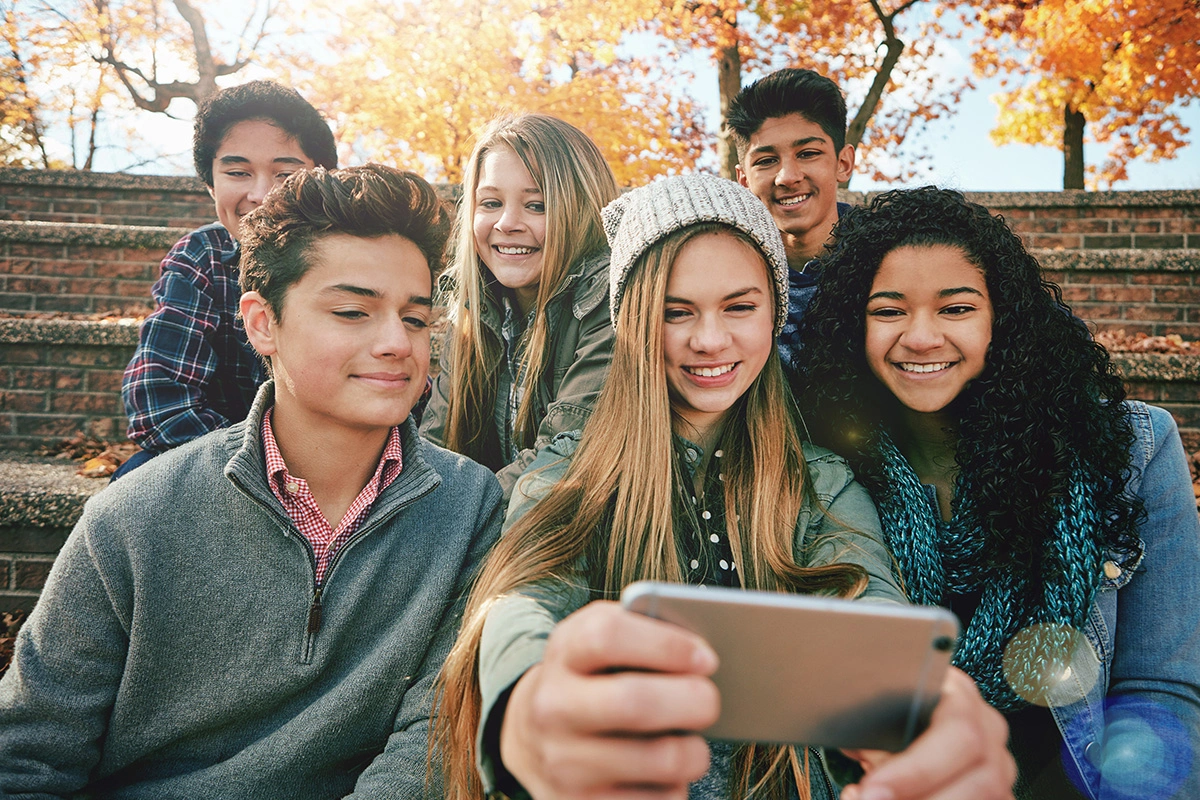
Screen time use by teens has increased over the last few years. On average, they spend 6-8 hours on social platforms. This does not include the school work. With a brain still in the development phase and a unique psychological state, social media affects how a teen perceives certain events. While there are both positive and negative effects of social media, the uncontrolled and prolonged exposure dictates why social media effect on mental health in teens. While seeking belongingness and approval at this phase of life, social media for many teens can become:
- A source of identity
- A comparison tool
- A coping mechanism
Social Media and Mental Health in Girls
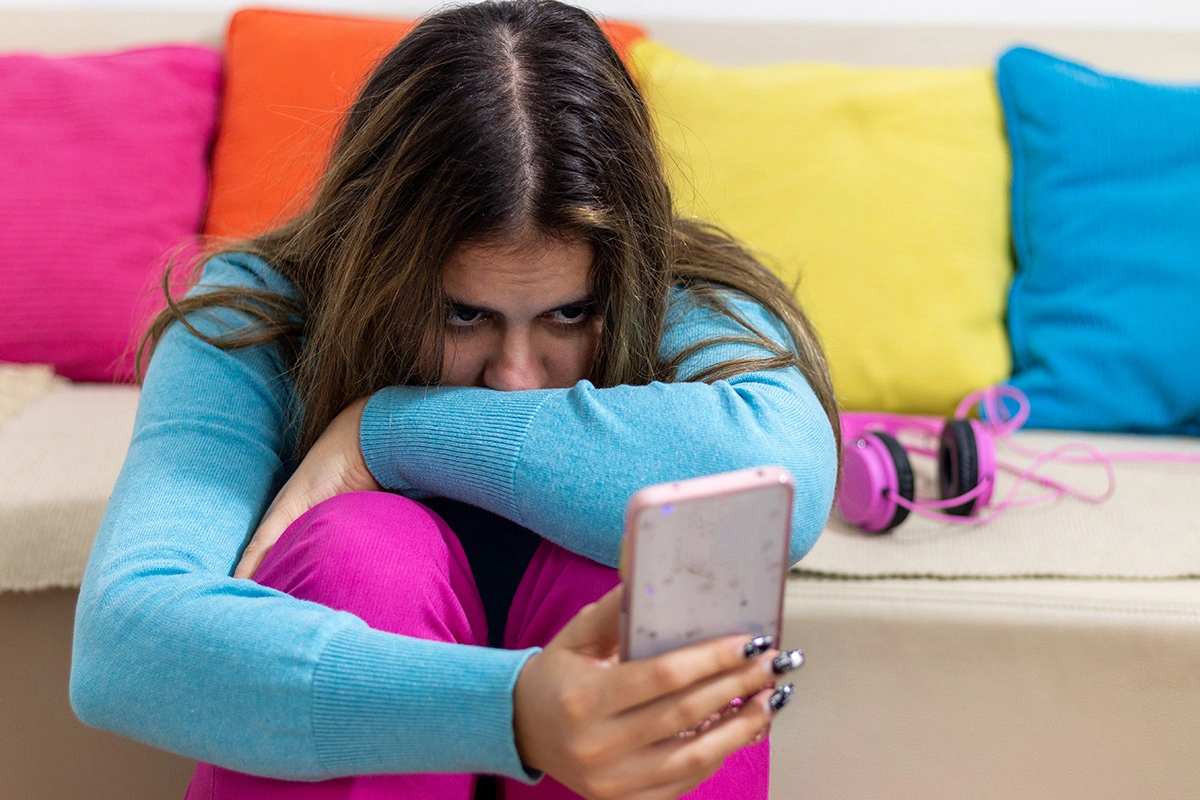
Creativity and connections come naturally with social media. However, the impact of social media plays a significant role in how teenage girls perceive themselves. They can easily start relating to others. One of the main influences of social media on teen girls is on body image. People can easily share heavily edited, filter-enhanced, and unrealistic photos on social media. Girls can start to idealize certain personalities. In an urge to attain perfect-looking faces and beautiful figures, teen girls can fall under pressure. This is directly linked to eating disorders, anxiety, and depression. This becomes more problematic when they start to tie self-worth to likes, comments, and online validation.
Seeing their peers happy in these digital spaces can also affect teen girls’ mental health and social media increases this vulnerability. Some factors that can negatively impact girls’ emotional sensitivity are:
- Being left out of group chats
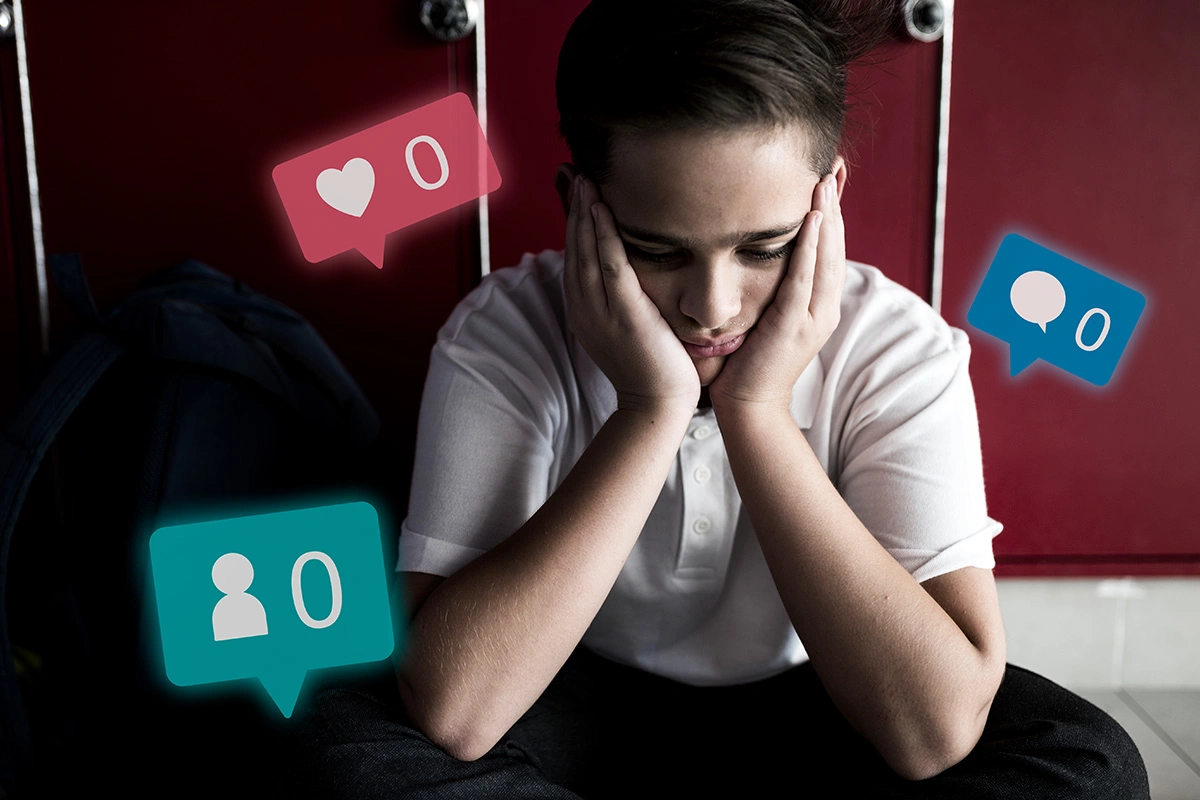
- Receiving fewer likes on their posts
- Gender specific challenges like body shaming, sexual harassment
- Measuring their lives and comparing them to other successful personas
These experiences can lead to higher rates of anxiety and depression among teen girls. They may also lead to chronic stress, fear, and a reduced sense of safety online in teen girls.
Social Media Causes Depression and Anxiety Patterns
Social media addiction and mental health go hand in hand. The endless scrolling often leaves teens with feelings of inadequacy. Our brain releases a neurotransmitter, Dopamine. It is a chemical responsible for motivation, pleasure, and reward-seeking behaviour. The brain starts to receive quick rewards with actions such as likes, comments, shares, reels, or endless scrolling. These short-term actions look harmless, but repeated exposure can have a powerful impact on mental health. Researchers now suggest that this frequent dopamine stimulation is solely related to rising levels of anxiety and depression, especially in teens. How social media causes depression and anxiety can be explained by the fact that temporary pleasures achieved through endless scrolling increase emotional dependency. It may present as:
- Low motivation
- Emotional numbness
- Irritability and restlessness
- Constantly checking phone
- Lack of joy in once pleasurable tasks
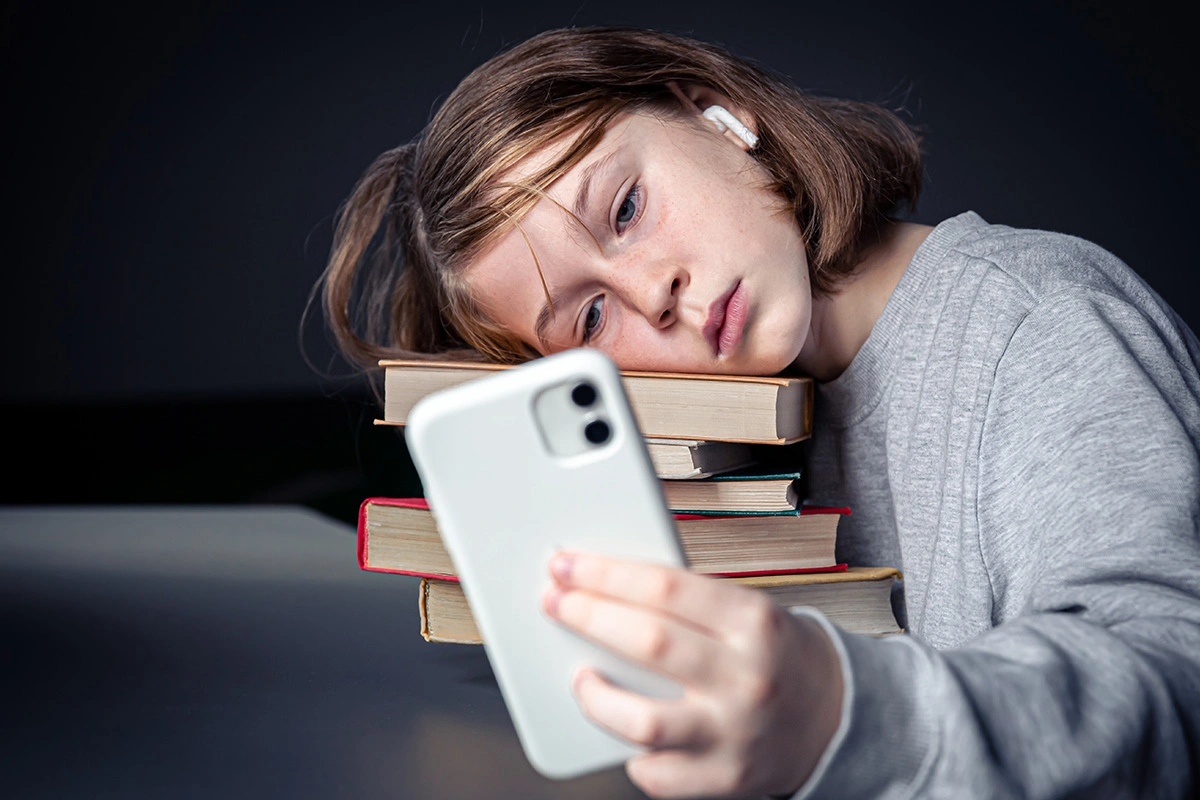
Social Media Addiction and Mental Health Challenges
- Constantly checking phone for notifications and messages even during work, at school.
- It’s the very first thing they check when they wake up or lie to sleep
- Feeling upset or restless when unable to access apps
- Avoiding real-world interactions and people around
- Neglecting responsibilities and academic work
- Unable to keep track of time spent
- Social Isolation
- Emotional withdrawal
Clinically, these behaviours lead towards signs of behavioural addiction, where teens are unable to stop themselves from social media use despite negative consequences.

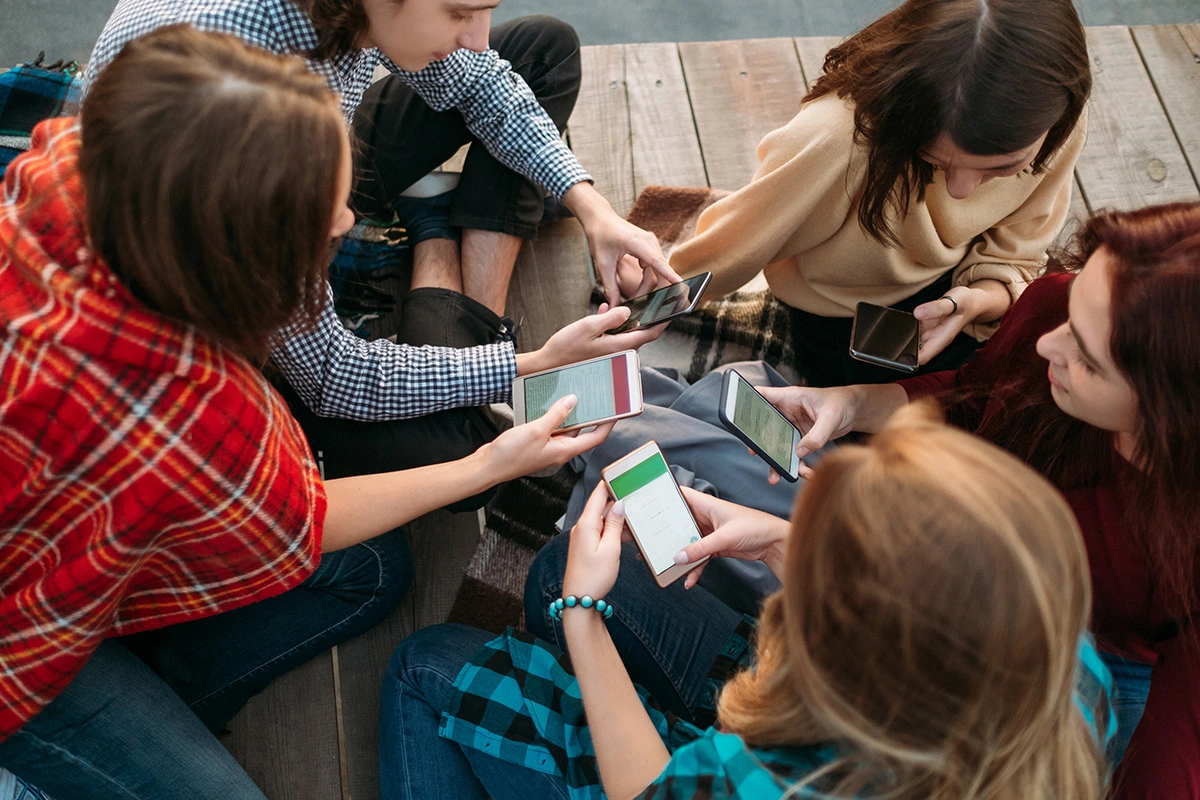
Mental Health and Social Media Trends in the Digital Age
Apart from the risks social media poses to mental health in teens, it can also act as a space to create mental health awareness. Today, users share their personal experiences, and these can serve as a supportive social media platform to spotlight issues that need consideration. Using hashtags about anxiety, depression, and healing journeys, millions of people share their stories. Social media and mental health have become a global conversation. Live talks, self-help challenges, and remote counselling facilities are a few of the options where mental well-being is increasingly highlighted. Teens idealize many influencers, and when these influencers spotlight specific issues, they may easily follow. Mental health conversations, open discussions on therapy, anxiety, and burnout can serve as part of overall well-being in teens.
While social media helps break stigma around mental health, there are some downsides to this benefit. Many teens may start to self-diagnose their symptoms based on short videos or other people’s experiences. It is essential to make them realize that a short clip from some influencer can never replace an authentic specialist.

Positive Effects of Social Media on Mental Health Support
Social media and mental health are becoming a topic of conversation among teens. Not every individual uses it across limits; many teens take this online world as a support system as well. The role of social media in mental health support is manifold. There are specific online communities and peer groups that offer 24/7 support to teens struggling with specific issues. Sharing similar experiences gives teens a sense of belonging in these communities. Mental health social media discussions and forums are becoming common. These help teens fight anxiety, stress or depression, as a way to express themselves safely without judgment. Open conversations, educational posts, infographics, and self-care videos by counsellors and therapists are serving as a helpful source for many teens.
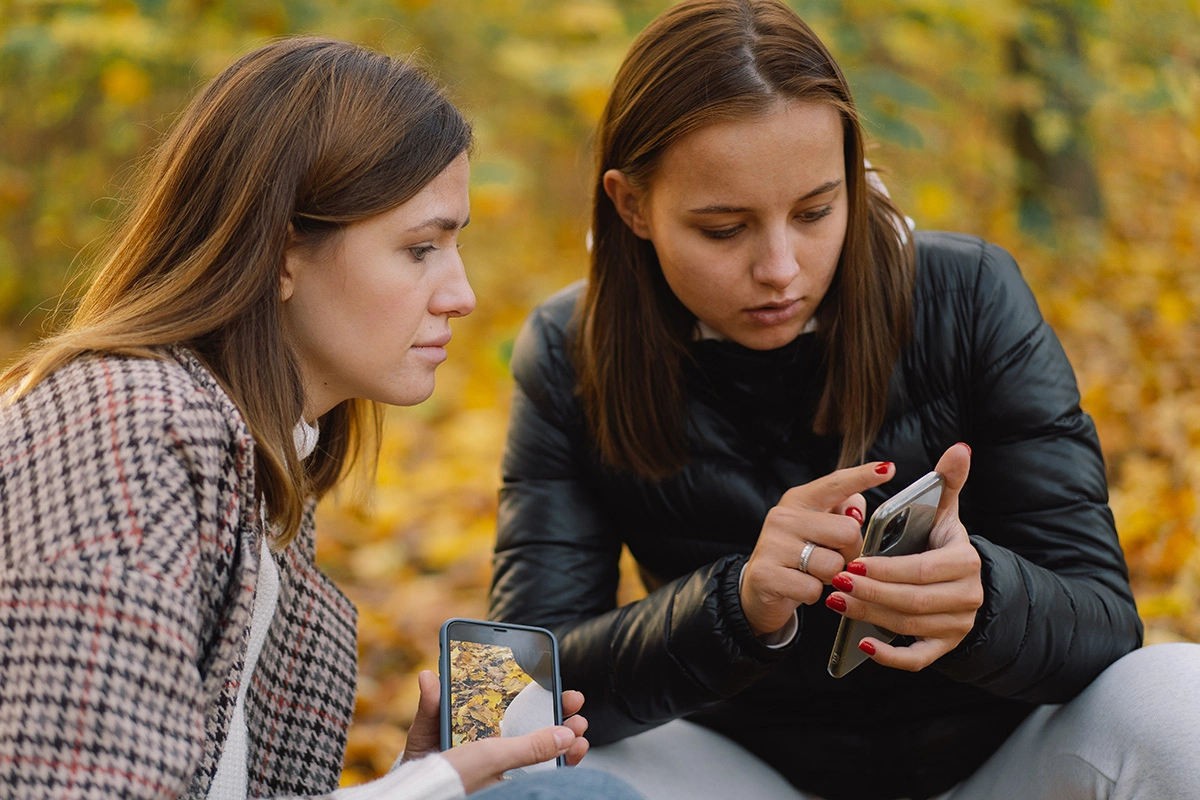
Social Media Help for Emotional Awareness and Connection
Creating a Healthier Relationship with Social Media
The impact of social media on mental health can be harmful as well as positive. To reap the positive benefits, it is important that teens follow a mindful use. Here is how a healthier relationship with social media can be built:
- Use tools like screen time limit
- Follow creators who promote growth mindsets
- Intently use social media for entertainment or learning purposes
- Unfollow accounts or users that constantly make them fall into the comparison traps.
Setting boundaries for usage and scrolling is very important in order to make use of social media effectively. Teens can take control of their mental health by knowing when to step away. Keeping eyes on positive content, with a balance in real and online life connections, can help them prevent the development of mental health issues.
Frequently Asked Questions
Whether social media does more harm than good depends solely on the fact that how it is used. Social media is a means to connect with people or find information. Teenagers nowadays use most of their time posting life updates on certain apps or scrolling through social media. This makes social media a two-edged sword. If its use is not watched properly, it can cause negative consequences.
Many studies suggest that there is a direct relationship between social media and stress levels. Certain factors, like the comparison of one’s life to those on social media, the constant urge to keep checking notifications and messages, or the fear of missing out on something exceptional happening on social media, might lead to increased stress levels.
Yes, excessive screen time affects emotional well-being. Too much use of screen time can disrupt sleep and hinder physical activity. It also disrupts the standard coping mechanism in teens. Excess screen time is linked to the development of mental health issues like stress, anxiety and depression.
Yes, the disconnection from real-life relations and surroundings, constant comparisons of one’s life with others over social media, and endless scrolling can contribute to feelings of loneliness in teens and young adults.
Conclusion
Social media use cannot be avoided completely as it is now a part of the modern lifestyle. It is a way to connect and educate. But it is also a channel that can affect mental health in teens by fuelling emotional distress, primarily if used without intention. Use of social media is not always negative, but the relationship between social media and mental health is complex. For teens, specifically girls, the psychological influence can become profound and personal. With limited use, teens can use social media in ways that don’t affect their well-being. The exploration of social media is unlimited, but with this vast exposure, teens often feel smaller, stranger, and lonelier. Furthermore, by addressing the reasons why social media is bad and highlighting its potential benefits, its use can shift from a source of distress to a tool for growth and connection.
Revision History
Author

Dr. Sacha Cohen
Medical & Clinical Educator
Dr. Sacha Cohen is a healthcare professional and medical content writer with experience in clinical training and academic writing. She specializes in creating research-based, accessible healthcare content. With a foundation in medical education and hands-on clinical practice, she brings depth and clarity to every piece she writes. Passionate about making medical knowledge understandable, she aims to educate and inspire her readers.

Dr. Kazi, Seema
Dr Seema Kazi is a board-certified psychiatrist and a proficient Medical Director of Mid Cities Psychiatry at Euless, Texas.
Fact Checker

Dr. Seema Kazi
Founder & Medical Director
Dr. Seema Kazi is the compassionate force behind Mid Cities Psychiatry, where her vision has shaped a practice rooted in empathy, excellence, and patient-centered care. As a triple board-certified psychiatrist in Psychiatry, Geriatric Psychiatry, and Internal Medicine, Dr. Kazi brings over 20 years of clinical experience to her leadership role.