Mental Health Awareness Month 2026: Why Mental Well-Being Matters More Than Ever


Mental Health Awareness Month is an excellent approach for highlighting the importance of mental well-being. Every year, many individuals encounter difficulties such as stress, anxiety, depression, emotional fatigue, and even burnout. However, few people tend to turn to professionals and endure without any help because of their challenges. It is crucial to be aware of one’s condition since only then can one break the stigma and start conversations so that a person realizes that he or she needs professional assistance. Mental Health Awareness Month 2026 will draw more attention to the problem of mental health due to discussions taking place during the coming years. This month will promote education, compassion, and professional assistance.
Today, issues related to a person’s mental well-being may have a substantial impact on one’s communication with other individuals, professional activities, sleep, physical well-being, and personal satisfaction. The goal of Mental Health Awareness Month is to stimulate dialogue and bring up the issue in communities, organizations, among healthcare professionals, and in educational institutions. Our facility, Mid Cities Psychiatry, is glad to provide caring services to those who require outpatient psychiatric treatment.
Table of Contents
The Importance of Mental Health Awareness in Modern Society
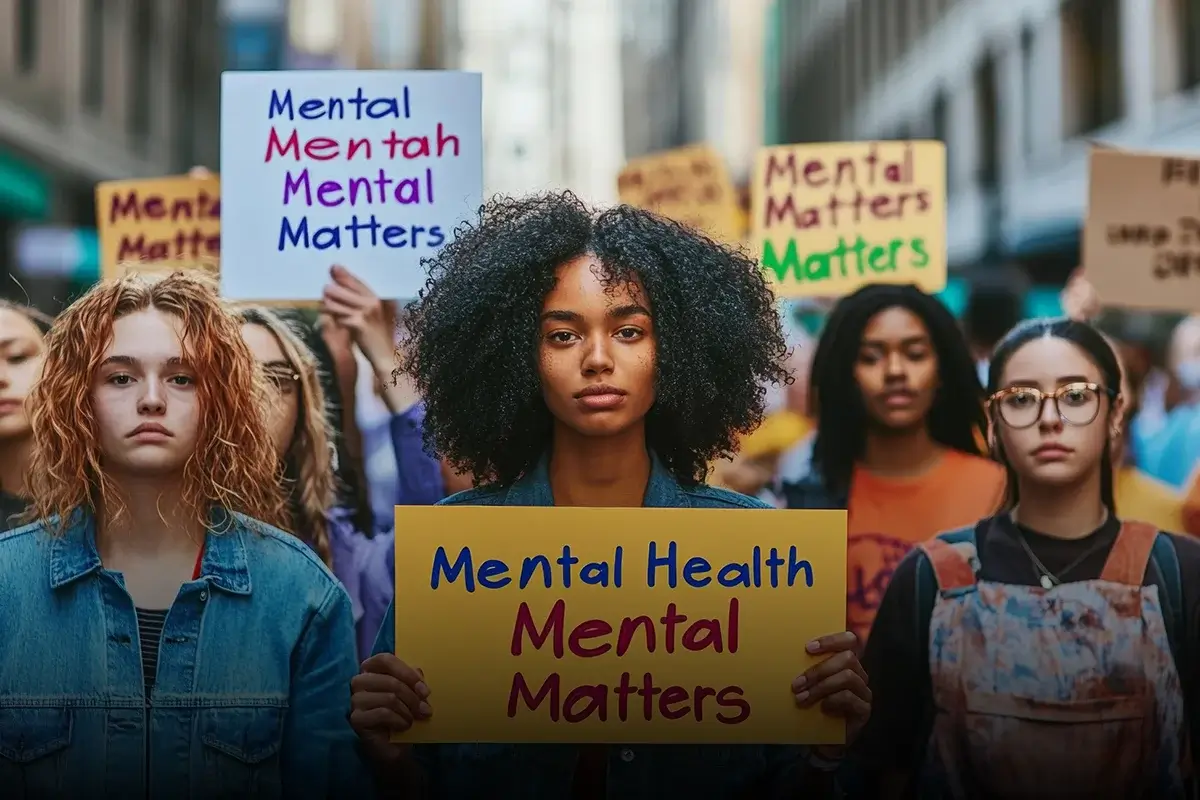
Mental health awareness has gained prominence because people now know how much their mental health affects their life and general well-being. The various issues associated with mental well-being include, but are not limited to, anxiety disorders, depression, stress-related conditions, and panic disorders. Such issues tend to have an impact on one’s interactions with friends and family members, studies at school or college, work performance, as well as physical well-being. Even with the heightened attention on mental disorders, several individuals avoid talking about them due to concerns regarding the stigma of being labeled mentally ill.
Recently, mental health care providers and mental well-being groups have emphasized the importance of identifying and addressing mental health challenges linked to emotions and behaviors. Public education on mental health challenges is vital in the context of Mental Health Awareness Month. Awareness of mental disorder symptoms will make individuals more knowledgeable about them and help them get help immediately. It is imperative to create an emotionally and psychologically healthy society through raising awareness, since it encourages individuals to empathize and eradicate any misconceptions linked to psychiatric conditions.
The Impact of Mental Health on Daily Life and Physical Wellness
Mental wellness has impacts that go beyond emotional well-being. Emotional wellness is critical to influencing people’s thinking abilities, communication skills, task completion, interpersonal relations, and stress responses. Poor emotional wellness results in difficulties in performing even simple tasks such as work duties, academic activities, social interactions, and housework. Stress, worry, and negative feelings also lead to exhaustion, irritability, lack of motivation, and challenges with coping, leading to poor functioning in both private and working life.

At the same time, several mental health problems can lead to physical problems and complications that many people don’t notice or don’t think are serious. For example, stress and emotional tension can affect how well people sleep, eat, function, and act. Individuals struggling with anxiety and depression often report suffering from headaches, muscle soreness, gastrointestinal problems, exhaustion, and insomnia. As a consequence, people’s well-being deteriorates, and they are prone to burnout. To prevent this process and improve one’s life quality, it is essential to seek treatment of conditions associated with mental issues, such as those addressed by Mid Cities Psychiatry, which include, among other conditions, stress and depression.

Common Emotional and Behavioral Signs of Mental Health Struggles
Mental health issues can manifest themselves in unique ways, and the development of their symptoms could happen progressively over time or all at once when someone is experiencing stressful times in his or her life. Even though everyone faces stressful events or feels sad sometimes, persistent emotional or behavioral symptoms may suggest the existence of a mental health issue that needs to be addressed. Early recognition of these symptoms allows for seeking help even before these symptoms start affecting a person’s daily life and relationships.
Emotional signs of mental health issues can involve feeling persistently sad, constantly worrying, feeling numb emotionally, becoming hopeless, becoming irritable, experiencing mood swings, or feeling overwhelmed by situations. On top of these, people may find it hard to concentrate, feel that their minds race through many things simultaneously, lack motivation to do anything, or become easily stressed. When it comes to behavioral signs, people can start withdrawing from their social lives, have changes in sleeping and eating habits, stop enjoying what they used to like, show poor performance in academic or professional environments, or struggle to take care of themselves.
The Role of Mental Health Awareness Month in Encouraging Early Support
In regard to Mental Health Awareness Month, this serves as a vital platform for inspiring people to address their psychological problems at their earliest stage so that they can receive the necessary assistance to prevent the worsening of their condition. Most people usually hesitate when it comes to treating their psychological issues since they may think that these will disappear on their own, and others feel embarrassed to consult anyone due to fear of judgment from other people. Mental Health Awareness Month is instrumental in breaking down barriers concerning mental disorders and raising awareness among the public.
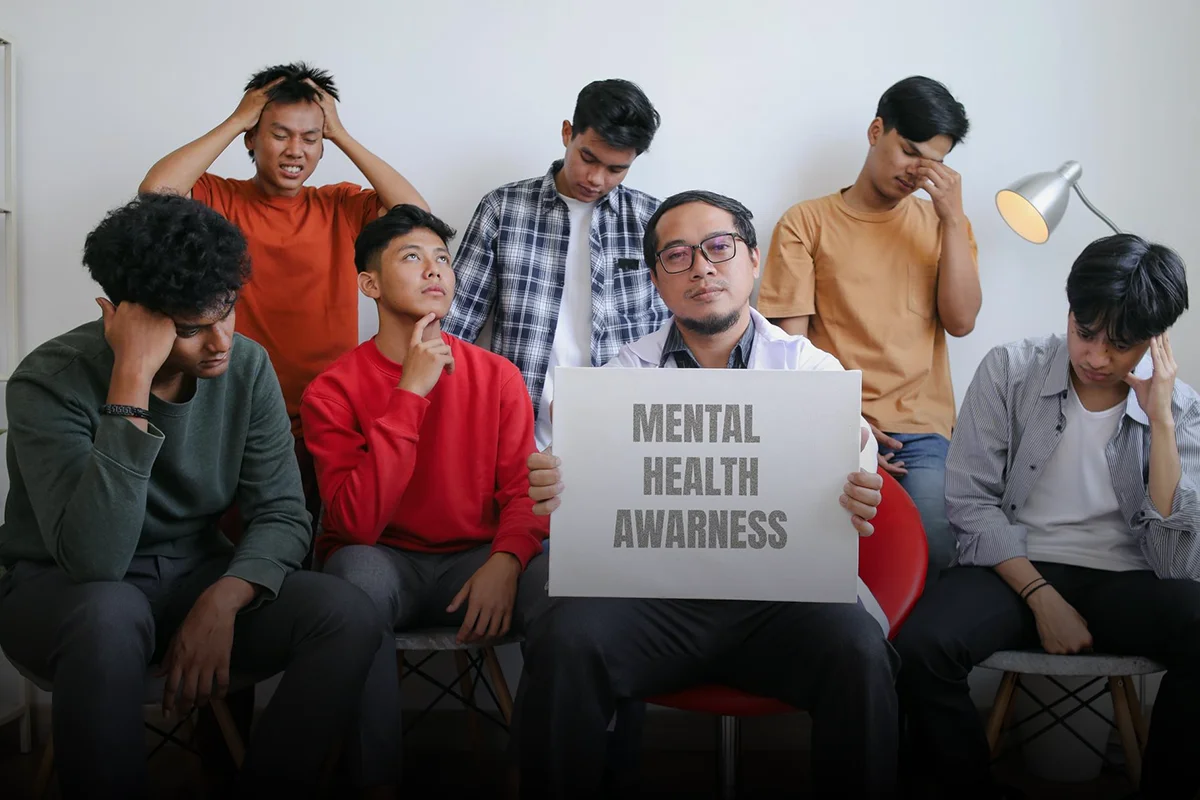
Early mental support can bring about a good effect on the emotional strength of an individual. By addressing problems like emotional fatigue, stress, depression, anxiety, and even panic-related issues at an early stage, the chances of emotional problems becoming severe could be minimized. Through awareness programs, people will learn to identify such issues in themselves and in others so that timely discussion on seeking assistance can take place.
Professional mental health services can provide someone with personalized treatment techniques for emotional, behavioral, and psychological problems in an environment that promotes well-being. Treatment methods such as therapy, medication, ways to manage stress, and psychiatric treatment outside of hospitalization settings may be helpful to someone suffering from these types of problems to function properly. It is important to raise awareness about these resources in order to convince people to use these facilities.

Community Engagement and Mental Health Advocacy Efforts
Community support goes a long way in creating awareness of mental health issues and helping individuals to get help without fearing being judged. As part of Mental Health Awareness Month activities, several organizations, such as schools, workplaces, and healthcare facilities, engage in raising awareness through different means. For example, various health awareness activities that aim at educating people on matters of emotional and psychological wellness take place during this time of the year.
This way, there is increased awareness of some of the common mental disorders. In addition, advocacy for mental well-being reduces stigmatization of issues related to such concerns as anxiety disorders, depression, and trauma disorders. Open talks about mental health can lead to early identification of such issues, thus ensuring individuals are treated in good time.
Healthy Lifestyle Habits That Support Emotional Well-Being
Daily healthy behaviors would play an important role in facilitating the achievement of a healthy mental state through contributing positively towards mental well-being. Good sleep, good nutrition, exercise, and socializing are just some of the many factors that would enable one to manage their stress levels and maintain their emotional resilience.
Furthermore, stress coping strategies, such as meditation, journaling, relaxation techniques, and screen time reduction, could also play a significant role in preventing and managing emotional exhaustion and stress. Taking care of oneself and having a consistent routine would enable one to build healthy coping mechanisms in emotionally challenging situations. However, lifestyle measures may not be sufficient for treating psychological conditions when their symptoms begin impacting one’s life and interactions with others.

Combining routine measures and psychological treatment could be advantageous in achieving a consistent emotional state. Psychological treatments that could be personalized as well as receiving outpatient psychiatric treatment might prove valuable in addressing problems like anxiety, depression, stress, among others.

Professional Mental Health Care and Long-Term Emotional Support
Mental health care services can enable one to benefit from the proper guidance, structure, and assistance that are necessary in order to deal with emotional issues in life. Although there is nothing abnormal about experiencing stress at some point in life, the constant occurrence of problems like anxiety, depression, panic disorder, mood swings, emotional fatigue, or inability to function daily may require one to seek professional help.
The treatment will include various types of therapy and medication management, as well as different measures taken to reduce stress levels and improve daily life experiences. At Mid Cities Psychiatry, individuals suffering from various psychological and behavioral issues can receive proper psychological assistance, which will help them maintain emotional equilibrium and optimal physical well-being.
Mental Health Awareness Month FAQs
Mental health plays an important role in the well-being of a person physically, emotionally, and socially. It is associated with the brain processes, emotions, stress management, social relations, and even general functioning in day-to-day life. Mental health will enable you to live a better life and be more productive.
Mental health can impact an individual’s concentration, drive, decision-making capabilities, communication skills, and energy levels. Disorders such as stress, anxiety, and depression might affect a person’s ability to perform their duties at work, academic achievement, social relationships, sleep, and personal responsibilities.
Getting help with mental health issues early on might help the person notice the signs of poor mental health before they get worse or cause problems. Early support might help people deal with their problems, keep their emotions in check, manage stress, and stop mental health problems from getting worse.
Various mental health resources might help one deal with emotional problems. These may include therapy sessions, psychiatric assessment, medication management, outpatient mental health care, group therapy, crisis hotlines, and community-based wellness programs.
Conclusion
Revision History
Author

Dr. Sacha Cohen
Medical & Clinical Educator
Dr. Sacha Cohen is a healthcare professional and medical content writer with experience in clinical training and academic writing. She specializes in creating research-based, accessible healthcare content. With a foundation in medical education and hands-on clinical practice, she brings depth and clarity to every piece she writes. Passionate about making medical knowledge understandable, she aims to educate and inspire her readers.

Dr. Kazi, Seema
Dr Seema Kazi is a board-certified psychiatrist and a proficient Medical Director of Mid Cities Psychiatry at Euless, Texas.
Fact Checker

Dr. Seema Kazi
Founder & Medical Director
Dr. Seema Kazi is the compassionate force behind Mid Cities Psychiatry, where her vision has shaped a practice rooted in empathy, excellence, and patient-centered care. As a triple board-certified psychiatrist in Psychiatry, Geriatric Psychiatry, and Internal Medicine, Dr. Kazi brings over 20 years of clinical experience to her leadership role.