Effective Relaxation Techniques for Stress Relief

Stress is a natural emotional and physical response that occurs in threatening and challenging situations. Stress can be beneficial in certain situations. When it is temporary or short-term, it may enhance focus, improve performance, and motivate you to complete challenging tasks. However, when stress becomes overwhelming, it can affect your overall health and everyday life. Stress releases hormones called Cortisol and Adrenaline, which increase heart rate, blood pressure, and immune responses- preparing the body’s fight-or-flight response. Practicing relaxation techniques for stress can help manage stress and bring back peace. The stress reduction techniques, such as deep breathing, counting down, meditation, and exercise, can help calm the mind and prevent burnout.
Incorporating relaxation techniques for stress allows you to handle difficult situations more easily. Lowering stress brings improvement to overall health, be it mentally or physically. For example, when you start practicing anxiety relief techniques, it not only lowers your blood pressure but also relaxes your muscles and improves your sleep quality. By evoking stress-reducing techniques, you may start noticing a significant difference in your life. Common stress relief methods like yoga, meditation, and guided imagery are great techniques to manage health-related stress problems, such as heart disease and Gastrointestinal problems.
Table of Contents
Understanding Stress and Its Impact on Health
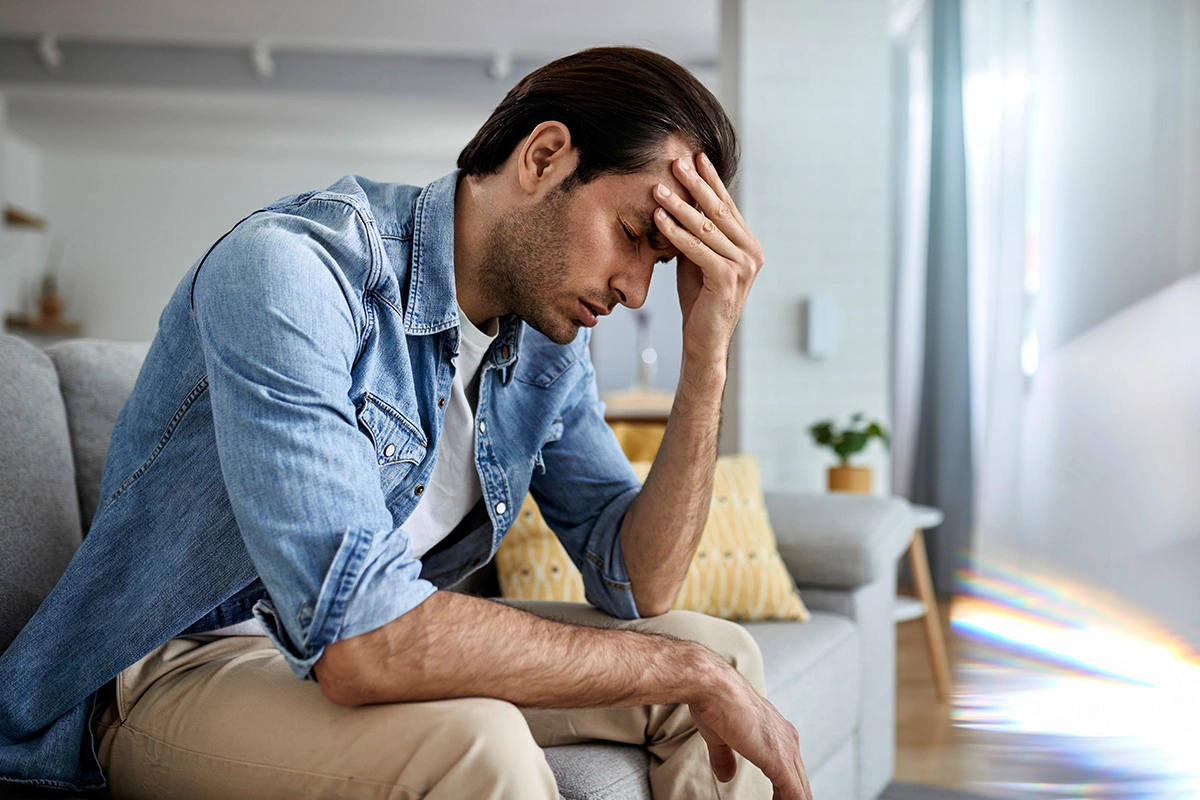
Stress has more than a temporary effect; it impacts health more profoundly. When stress becomes chronic, it can lead to a decrease in the body’s defense mechanisms, and it increases the chances of developing cardiovascular diseases. It can also fuel anxiety and depression. Incorporating relaxation strategies for stress can alleviate health problems, which benefits the nervous system and helps the body recover quickly. Ultimately, stress also determines emotional health, and early stress management improves emotional balance. This fosters positive adaptation to emotional and psychological challenges. Overall, the stress relief benefits are immense to physical and emotional health.
Chronic stress is not something that appears suddenly. It takes time to build up and then manifest in your life. It starts with fatigue, sleep disorder, irritability, and concentration difficulties, and, without elaborative steps to mitigate your stress, can worsen considerably. For this reason, the implementation of adequate relaxation techniques for chronic stress is of utmost importance. Stress can be managed with simple and regular methods, such as relaxation exercises, deep breathing, and mindfulness meditation, offer profound effects. Incorporating stress relaxation techniques in your daily routine can greatly benefit your mental and physical health.
Stress not only affects your mood, but it may also lead to serious mental and physical health issues if left unmanaged. Here are some health problems caused by stress:
- Heart Problems: Stress raises the heart rate and blood pressure, which increases the risk of heart disease and stroke.
- Poor Immune Health: Chronic stress downregulates the body’s immune system, and excessive stress increases the susceptibility to infections and illness.
- Digestion: Stress alters the normal digestive system, which causes stomach upset, IBS, reflux, and even ulcer formation.
- Sleep Disorder: Stress is a dominant cause of insomnia, restless sleep, and overall poor quality of sleep.
- Mental Health: Stress is a precursor to prolonged anxiety, depression, and panic disorders.
- Muscle Pain: Stress causes muscle tension, which can lead to migraines and stiffness of the neck and back.
- Endocrine System: Excess stress means excessive cortisol, which results in weight gain, fatigue, and hormonal imbalance.
- Skin Disorders: Inflammatory response related to stress worsens acne, eczema, and psoriasis.
- Excessive Thinking: Stress causes issues with memory and concentration, and poor decision-making.
- Chronic Illness: Stress will aggravate diabetes, asthma, and arthritic flare.
Most Common Stressors in Daily Life
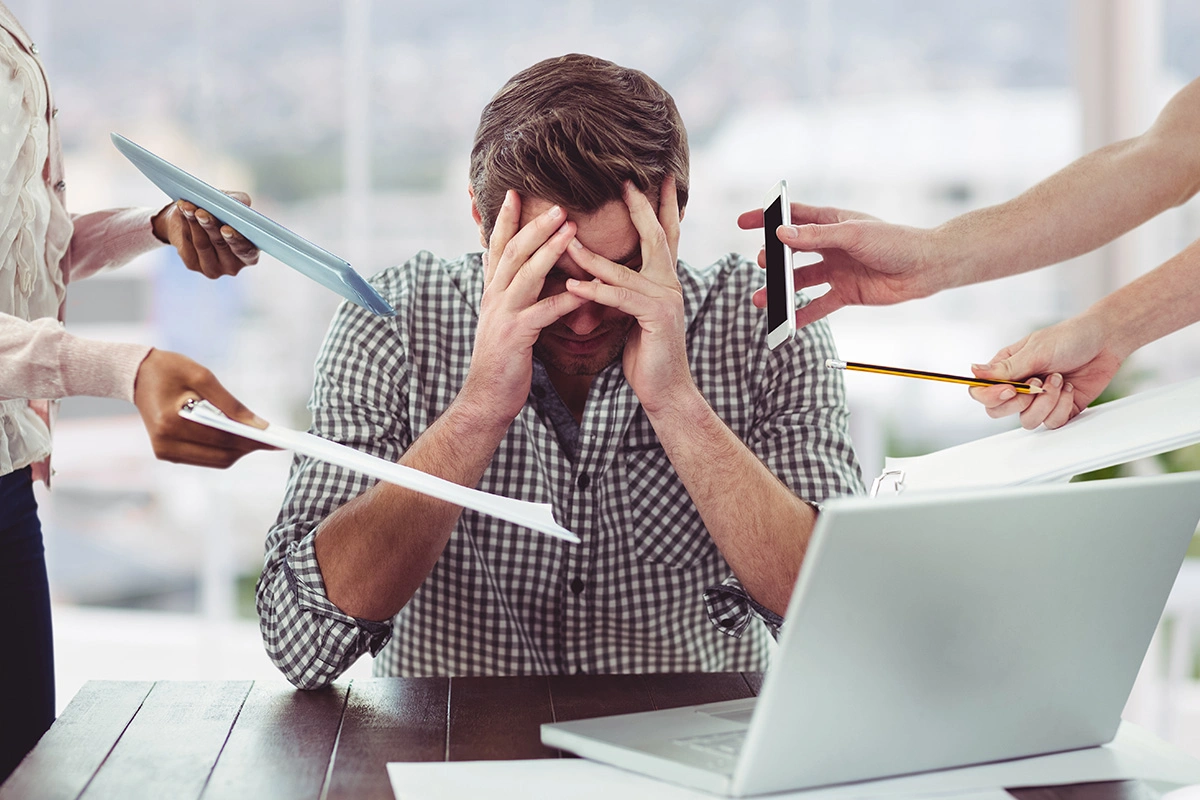
Daily challenges can lead to stress, and if they are unresolved, they may cause serious health issues. Stress can come in different forms and may disturb your peace of mind. Work pressure, financial issues, health problems, and even family conflicts are some of the most common stressors of life. During such times, learning and practicing stress relaxation techniques to relieve stress is very important. Relaxation therapies with mindfulness techniques will help you get through the tough times with greater ease.
You may wonder what stress is and what stressors are. To put it simply, stressors can be anything that can activate the body’s stress response. In other words, the cause of stress is a stressor, and the body’s reaction to it is stress. For example, the stressor is a specific event or cause, such as you don’t have money to pay rent (Financial stressor), and you can’t sleep due to tension (stress), which is the body’s response to the stressor.
By identifying the common stressors of life, you will be able to manage them before they disrupt your daily life and overall well-being.
Relationship Difficulties
Conflicts in relationships can cause arguments, communication breakdown, or even family disputes. Such problems may make individuals emotionally exhausted, insecure, and mentally fatigued. The stress of unresolved conflicts may affect the day-to-day lives, work, and general life satisfaction. To alleviate these effects, stress-relaxation techniques can be used to balance emotions and relieve stressful situations. Regular use of anxiety relaxation techniques helps you stay calm, enabling you to recognize your mistakes and encouraging more positive and constructive communication.
Recent Death
The death of a loved one is one of the most stressful and painful things that a person can encounter. Grief may cause emotional disturbance, which usually interferes with everyday life. Physical symptoms that many people go through include a lack of interest in daily life activities, loss of appetite, and sleep disorders. Such stress not only impacts the emotional state but may also undermine the immune system of the body. The grieving process takes time, but through relaxation therapy, one can feel more comfortable and be able to better cope with the burden of loss.
Work-Related Stress
Academic Pressure
Students usually get overwhelmed with exams and lengthy assignments. The unrealistic expectations from parents and peer pressure also play a key role in developing stress and anxiety, which can impact productivity and well-being. The constant stress may eventually take a toll on the relationships, lead to severe physical and mental health problems.
Legal Problems
Trials and stacks of lawyer bills can make a person emotionally exhausted. The legal pressure may interfere with the work life of a person, their relationships, and even their mental and physical health. The legal cases take time to solve, often causing stress and anxiety. Stress relaxation techniques will allow one to reduce their anxiety and make wise decisions.
Trauma and Abuse
Regardless of the type of abuse one experiences, it develops one of the most profound forms of stress. Survivors of abuse carry trauma, fear, and anxiety that affect relationships, work, and daily functioning. Nightmares, hypervigilance, and an inability to trust are symptoms of the ongoing effects of abuse. Depression, low self-esteem, and social withdrawal are additional long-term effects. Stress that is caused by abuse and trauma is especially damaging to one’s mental and physical health. While healing may take time and require assistance, engaging in stress-reduction activities can help survivors heal and restore lost strength, resilience, and a sense of control.
Poor Health
Any ongoing medical condition or chronic illness can take a toll on one’s mental as well as physical health. Any type of illness that causes chronic pain may lead to frustrating and fearful thoughts. Having poor health can limit independence and disturb everyday activities, and strain relationships. Continuous stress that is poorly managed can weaken a person’s emotional defenses to prevailing challenges and exacerbate any health condition. Illnesses take an emotional toll and can lead to anxiety, sadness, and exhaustion. In addition to medical treatment, relaxation techniques can help control stress and ease emotional strain, thereby improving a person’s overall health.

Most Common Symptoms of Stress
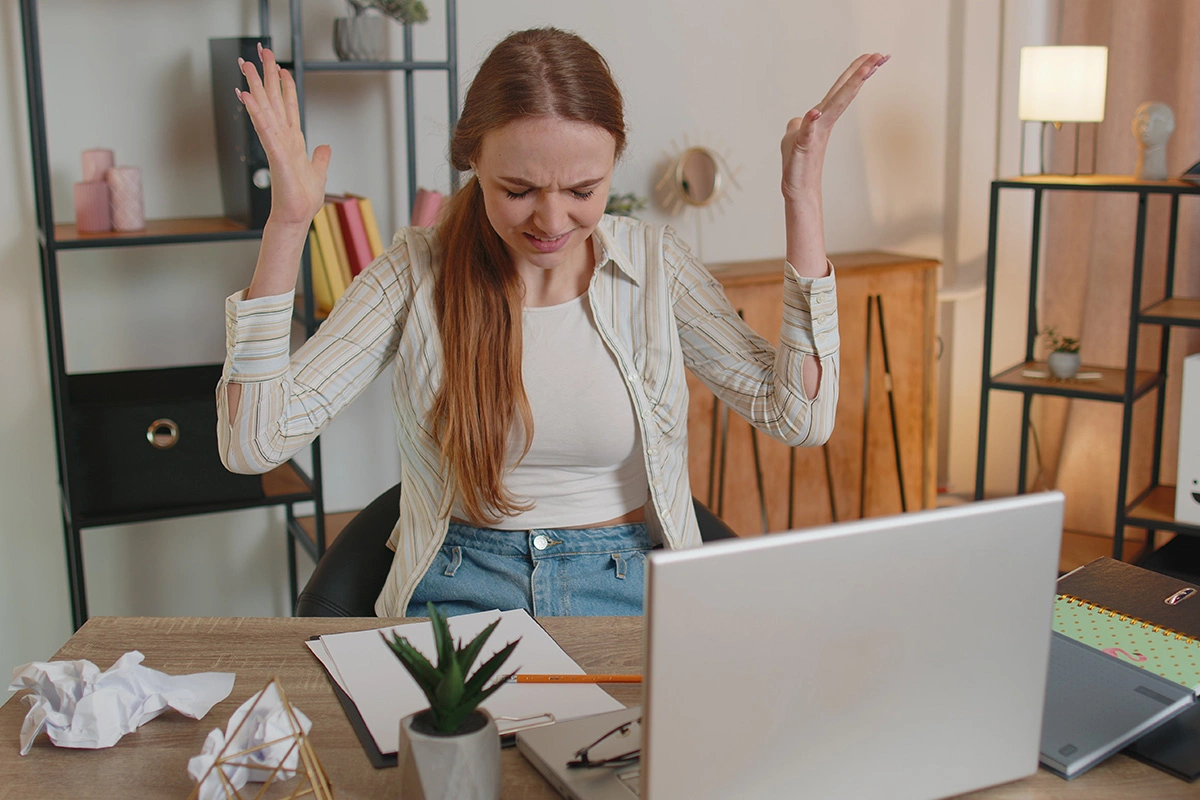
Stress isn’t just something that exists in your head. It integrates itself into almost every facet of your life, whether it be how your body feels, how you think, how you act, or how you see yourself. The most obvious signs of stress, like a headache, anger, or constant worrying, are something most people realize, but the most subtle signs of stress are surprising and easy to miss. It can drain your energy, throw your daily routines off balance, cause relationship friction, and make you lose sight of your purpose and self-worth. Since stress has mental and physical components, knowing the complete range of potential symptoms is critical. The sooner you recognize how stress is showing up in your life, the sooner you can manage it to keep it from generating chronic health problems. Recognizing these signs is your best line of defense for regaining balance and maintaining good health.
Physical symptoms:
- Headaches and muscle tension
- Nausea or other stomach issues
- Extreme fatigue or disturbances in sleep
- Increased heart rate or excessive sweating.
Emotional symptoms
- Irritability and emotional instability
- Sadness or an overall feeling of hopelessness
- Anxiety or persistent worrying
- Feeling overwhelmed or dealing with too many things at once.
Behavioral symptoms
- Eating too much or having no appetite
- Increased consumption of alcohol, caffeine, or nicotine
- Avoiding tasks or disengaging from social activities
- Restlessness or inability to relax.
Cognitive symptoms
- Problems with concentration
- Forgetfulness
- Negative thoughts or thoughts that race
Social Symptoms
- Stress affects not just you, but the people around you.
- Avoidance of social gatherings
- Escalation of disagreements
- Difficulty forming new bonds
- Overdependence on people for emotional support
Lifestyle Symptoms
- Sleeping problems
- Inactivity and absence of exercise
- Excessive screen time
Self-Perception Symptoms
- Stress influences how you regard yourself.
- Feeling worthless or inadequate
- Persistent feelings of inferiority in a competitive environment
Relaxation Techniques for Stress Reduction
There are days when you feel tight shoulders, racing thoughts, and the smallest of tasks feels like climbing Mount Everest. Stress won’t just go away on its own; you need to work on it. This is where stress relaxation techniques are of help. Simple practices like taking a few deep breaths, a short walk, or listening to soft and soothing music will help you be psychologically centered. They are stress relaxation techniques to help you recharge, reset, and restore your peace.
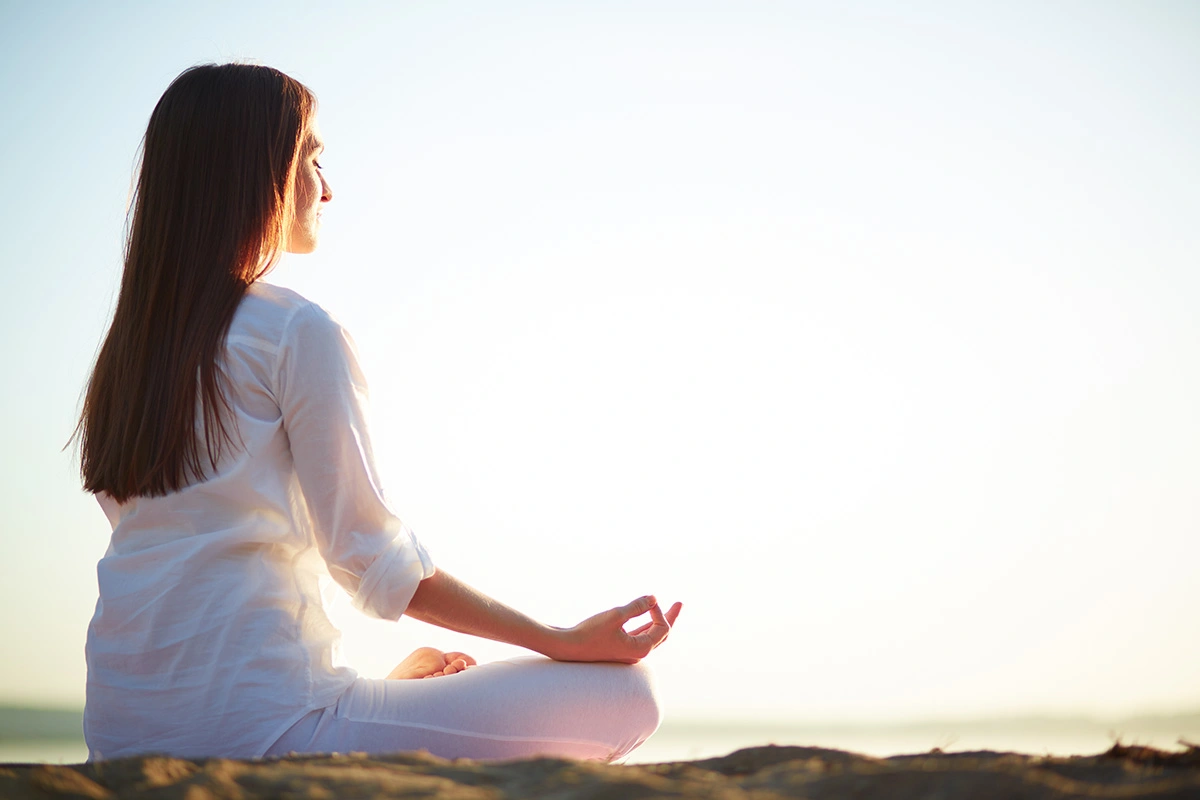
Deep Breathing Exercise
One of the easiest but most effective relaxation methods to reduce stress is deep breathing. The slow inhale and exhale stimulate the natural response of the body, reducing the heart rate and relaxing the nervous system. It is also the most popular method of controlling anxiety and panic attacks. Deep breathing exercises can be performed every day; you just need to find a peaceful spot, place your hand on your chest to feel your breath, and then slowly breathe in with your nose, hold on for some seconds, and then breathe out with your nose. Repeat the cycle for at least some minutes and just focus on your breath. This technique will divert your mind from stressful thoughts and help you stay calm. Over time, the stress relaxation techniques relieve your stress, sharpen your mind, and ultimately enable you to control the situation that once seemed beyond your control.
Progressive Muscle Relaxation
Progressive muscle relaxation is a practical method of releasing stress and anxiety. The idea of the progressive muscle relaxation technique was introduced by American physician Edmund Jacobson. The theory behind the PMR is the concept that physical relaxation promotes mental well-being. This stress relaxation method can be used by tensing and then relaxing different muscles of the body to induce relaxation. It can be performed before going to sleep and helps alleviate insomnia and promote sleep. Together with other stress-reducing methods, PMR helps decrease muscle tightness, lower anxiety, and enhance well-being.
To perform the Progressive muscle relaxation technique, you need to tense any muscle of your body, such as your toes, legs, buttocks, shoulders, or even your ears and face. Just tense the muscle for some seconds, and then release and observe the relaxation. For better results, inhale the breath while tensing your muscles and exhale slowly while releasing. You can practice for the whole body. By doing it regularly, you can find relief from the inside out.
Yoga & Stretching
When dealing with stress, yoga and stretching can be beneficial for physical and mental well-being. These stress-relieving exercises enhance flexibility, boost blood circulation, and improve body posture. Yoga is also known as a type of relaxation therapy that promotes stability and emotional balance. Yoga in short intervals or mild stretching during work or school breaks can relieve stress from long-seated positions.
Breathing yoga: One of the most efficient tools to relax and eliminate anxiety is breathing and motion, as they can help overcome worry, improve mood, and focus attention. In the long run, it promotes resilience and long-term coping with stress.
Regular Walk
One of the simplest, though most effective methods to reduce stress is walking. Research proves that walking or any mild exercise activates the brain chemical endorphins, which promote relaxation and improve mood. Walking lowers the level of cortisol, boosts your mood, and clears your mind, making it one of the simplest stress relief techniques you can add to your daily routine. It can be a morning walk or a slow evening stroll; this exercise will help to ensure physical fitness and psychological relaxation. These stress reduction activities promote resilience, reduce anxiety, and enhance well-being over time.
Aromatherapy
Aromatherapy refers to the use of plant oils that have been identified as natural therapy to promote relaxation and well-being. The use of fragrances like lavender, chamomile, or eucalyptus is usually used to alleviate stress, reduce tension, and bring a deeper sense of relief. These essential oils can be used in a diffuser, as part of a bath, or even in a diluted form. This approach is also associated with anxiety-relieving methods, because some scents cause the brain to produce a relaxation response. Aromatherapy can be seamlessly integrated with other stress-relieving techniques like yoga or deep breathing, and make them more effective. With a few easy steps, which you can include in your daily routine, aromatherapy will be an easy and pleasant way to relieve stress.
Medication Support
In some cases, stress and anxiety may become overwhelming, and a person may require additional support. If stress becomes persistent and affects daily functioning, it may be treated with medicines combined with stress management and relaxation techniques under the direction of a licensed medical practitioner. Though it is not a replacement for relaxation therapy, certain medications may help to reduce severe symptoms of anxiety, which allows individuals to think more constructively and engage in mindfulness activities to cope with stress or relaxation. This alternative is to be employed with medical assistance and should be supported with other stress-releasing techniques, including deep breathing, yoga, or meditation.
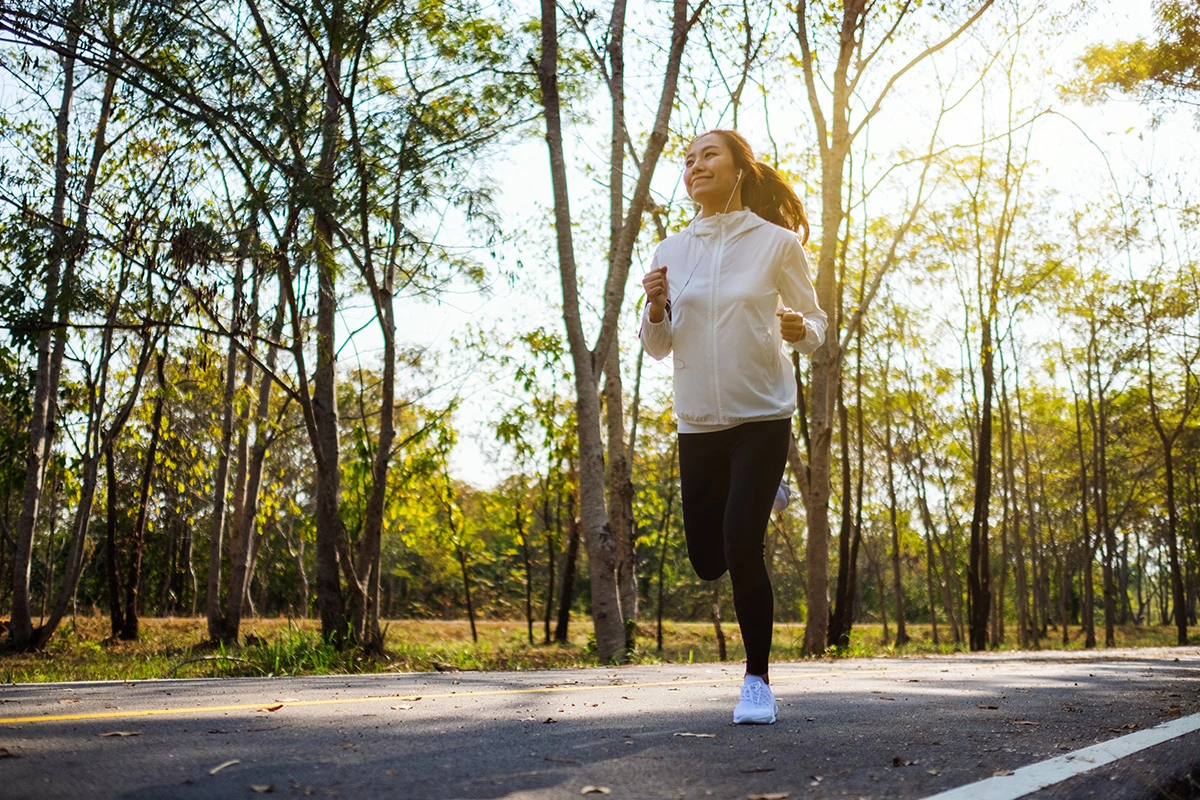
Lifestyle Changes That Enhance Stress Reduction
One of the best ways of alleviating stress is through simple lifestyle changes. Whenever you begin to think about healthy behavior, your mind and body will automatically be reinforced against the pressures of your daily life. Sleeping properly, eating healthy food, and participating in physical activities are not only good for physical health but also effective anxiety relievers. Mindfulness practices such as journaling or meditation also enhance emotional balance to cope with stress.
Rather than having shortcuts, strive to incorporate sustainable stress-reliever methods into your daily life. Reducing intake of caffeine, having a digital detox, or even just going outside are some easy yet very effective stress reduction methods. Anxiety-reducing music or relaxation exercises, routine walks, etc., may also make your routine healthy. Such stress management and relaxation methods not only reduce stress but also enhance focus, boost energy, and promote general well-being, providing you with the means to survive daily life challenges.
Relaxation Therapy and Its Long-Term Benefits
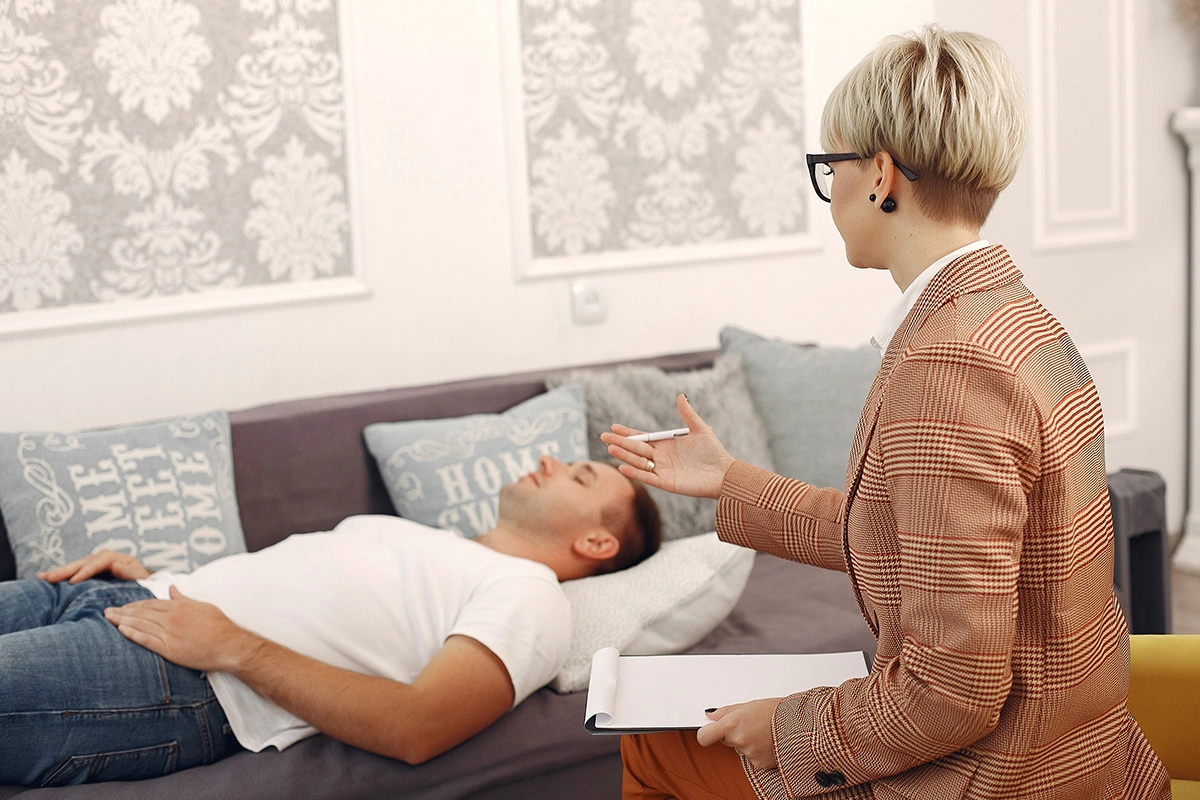
Relaxation therapy is more than achieving calm; it is about developing healthy, protective habits for your health and well-being. Regularly practicing relaxation techniques will help build stress tolerance. This can help to face the challenging situations calmly and manage things easily. Over time, these stress-reducing techniques not only relax your mind but also improve your strength, emotional resilience, and overall productivity.
Relaxation therapy comes in different forms. Some therapies are performed alone, like meditation, progressive muscle relaxation technique (PMR), while some therapies require help, such as guided imagery. Research indicates that individuals who incorporate relaxation therapies into their routine are more active and efficient than stressed individuals.
Here are some benefits of relaxation therapy:
Reduce Anxiety and Stress
Regularly doing relaxation therapy will help reduce stress and anxiety over the long run. Stress relief, such as deep breathing and meditation, helps soothe the nervous system, which reduces the stress hormone, cortisol. It helps to reduce tension, calm anxious thoughts, and enhance positivity. Incorporating these anxiety relaxation techniques will help you manage emotional roller coasters. Slowly, these practices will not only help you alleviate immediate stress but also help you avoid long-term anxiety as well, which gives you more control over your stress.
Lowers Blood Pressure and Improves Heart Health
Relaxation therapy can lower blood pressure and improve blood circulation. Stress negatively impacts the cardiovascular system, which can result in high blood pressure and heart problems. Stress relief techniques like yoga, deep breathing, and listening to soothing music help the heart work more efficiently, reducing the cardiovascular system’s workload. Using these techniques regularly provides cardiovascular benefits. Relaxation therapy, in combination with other stress management techniques, gives the heart and blood circulation system the best defense against the adverse effects of stress.
Enhances Mental Clarity and Focus
Being stressed, people may have difficulties with their thinking, focus, and choice. Relaxation therapy helps to reduce these issues by calming the mind and enhancing focus. Alternative therapeutic techniques such as mindfulness meditation and directed breathing exercises can assist individuals to shift their focus from distressing thoughts and help to focus on the present moment.
Strengthens Immune System Function
Stress in the long run can damage your immunity. This increases the chances of you becoming ill. Relaxation therapy ensures that your body heals and defends by decreasing stress hormones and overcoming stress. Numerous studies have shown that yoga, meditation, and other mindful breathing practices are beneficial to your health and enhance your response to infections. Such exercises enhance the immunity of your body and help it recover faster.
Reduces Muscle Tension and Physical Discomfort
Sometimes, stress can manifest itself physically in the form of stiff shoulders, headaches, or back pain. Relaxation therapy works on these symptoms in the body by reducing stressful thoughts. Stress activities like progressive muscle relaxation, stretching, and even massage help ease stiffness. These relaxation exercises not only calm the anxious mind, but they also help the body relax, improving posture. and ease muscle tension. While they may not help in the immediate short term, these techniques can help in the longer term by lowering the chances of stress-caused chronic pain. Incorporating relaxation therapy into your daily activities will help you feel more comfortable and relaxed.
Helps Strengthen Your Mental Toughness
The primary focus of relaxation techniques is mental relaxation. Unlike most people who feel overwhelmed during a stressful situation, people who have practiced guided relaxation techniques deal with stressful situations calmly and with mental clarity. With steady relaxation techniques like mindfulness, journaling, or meditation, a person can maintain a balance in stressful situations. This emotional and mental balance helps against challenges and distractions. With continued use of guided relaxation techniques, one is able to achieve mental relaxation.
Frequently Asked Questions
Stress isn’t always obvious, and it often isn’t headaches, tension, and similar issues. It can also look like restlessness, trouble sleeping, being cranky, or worrying too much about everything. It’s important to notice your mood ups and downs, your energy, and your ability to concentrate. Having hidden stress can often cause problems if it is left untreated.
Taking small breaks, practicing breathing, having a short walk, or simply stretching or doing a few minutes of meditation can do wonders. While it may seem counterproductive to take breaks in the middle of a busy day, they are, in fact, small ways to keep your mind clear and lower your stress. You can get a lot of work done when you are relaxed.
You can get the best results when you practice the relaxation exercises consistently. It is much better to do short relaxation techniques for about 10-15 minutes a day than longer sessions a few times a week. It will help a lot in the long run. Your body will get better at handling stressful situations, and your focus will divert from unproductive thoughts to more productive ones.
Combining multiple stress relaxation techniques is usually effective if they are practiced properly. For instance, you can combine deep breathing exercises with soothing music, or you can do yoga while using aromatherapy. Mixing different relaxation techniques will help you find what suits you best and help with stress reduction and balance.
Conclusion
Stress management techniques are a long-lasting solution that enhances both mental and physical health. Although lifestyle changes and relaxation methods can be the key, in some cases, professional assistance is necessary. At Mid Cities Psychiatry, there is an individualized care that we offer to enable you to cope with stress and anxiety, and other mental health conditions like depression, PTSD, mood disorders, and sleep disorders. Our team provides evidence-based interventions, personalized care, and realistic solutions to your needs. Do not allow stress to become overwhelming; call Mid Cities Psychiatry and make the first step towards a healthier, better, and less-stressful life.
Revision History
Author

Dr. Sacha Cohen
Medical & Clinical Educator
Dr. Sacha Cohen is a healthcare professional and medical content writer with experience in clinical training and academic writing. She specializes in creating research-based, accessible healthcare content. With a foundation in medical education and hands-on clinical practice, she brings depth and clarity to every piece she writes. Passionate about making medical knowledge understandable, she aims to educate and inspire her readers.

Dr. Kazi, Seema
Dr Seema Kazi is a board-certified psychiatrist and a proficient Medical Director of Mid Cities Psychiatry at Euless, Texas.
Fact Checker

Dr. Seema Kazi
Founder & Medical Director
Dr. Seema Kazi is the compassionate force behind Mid Cities Psychiatry, where her vision has shaped a practice rooted in empathy, excellence, and patient-centered care. As a triple board-certified psychiatrist in Psychiatry, Geriatric Psychiatry, and Internal Medicine, Dr. Kazi brings over 20 years of clinical experience to her leadership role.