Chronic Stress: Long-Term Impact on Mental and Physical Health


Chronic stress is the most prevalent health challenge in today’s life. From work pressure to unresolved trauma, people may live persistently with stress without even realizing its effects on their mental and physical health. You may be familiar with acute stress, but chronic stress is something that may be hidden inside you and slowly wears you down, and increases the risk of other mental health conditions like depression and anxiety, and can also negatively affect physical health, contributing to problems like heart disease and persistent fatigue.
We all know that the human body is designed with complex network where everything is connected; similarly, the brain and body are connected. To understand the relation of chronic stress with mental and physical health, it’s important to understand the term chronic stress. So keep reading to learn more about chronic stress, including its common causes, effects on mental and physical health, and effective treatment options.
Table of Contents

Chronic Stress
Understanding the definition of chronic stress is the first step towards managing it effectively. Chronic stress refers to a prolonged and persistent state of emotional and physiological tension that continues for weeks, months, or even years. Unlike acute stress, which arises from short-term challenges such as an exam or presentation, chronic stress is ongoing and often rooted in long-term life circumstances.
Chronic stress makes you emotionally exhausted, even when there is no immediate situation. People with chronic stress may persistently feel tense and overwhelmed. Over time, the body’s stress response system remains activated, preventing proper recovery
Common features of chronic stress include:
- Persistent worry or fear
- Ongoing fatigue and low energy
- Difficulty relaxing or sleeping
- Feeling trapped in stressful situations
- Emotional numbness or irritability
When left untreated, chronic stress can develop into more serious mental health conditions such as anxiety disorders, depression, and sleep disorders.
Common Causes of Chronic Stress
Chronic stress often arises from long-term life pressures rather than individual events. These stressors can be external, internal, or a combination of both.
External Chronic Stressors
- Job insecurity or long-term work overload.
- Financial problems or debt.
- Conflict in relationships.
- Residing in unsafe or unstable areas
Internal Chronic Stressors
- Perfectionism and high self-criticism.
- Constant anxiety
- Unresolved trauma
- Low self-esteem
- Fear of failure or rejection
Symptoms of Chronic Stress
The effects of long-term stress can influence almost all body systems. Most individuals visit hospital with physical conditions, not knowing that long-term stress is the root cause.
Emotional and Psychological Symptoms
- Anxiety and excessive worry
- Irritability or anger
- Depression and hopelessness.
- Difficulty concentrating
- Lack of motivation or interest.
When such symptoms continue, they can also intersect with a separate clinical diagnosis like mood disorders.
Physical Symptoms
- Headache or migraines
- Body aches and muscle tension.
- Digestive problems
- Rapid heartbeat or chest pain.
- Weakened immunity leading to frequent infections.
Behavioral Symptoms
- Poor sleep habits
- Excessive eating or appetite loss.
- More alcohol or drug use.
- Social withdrawal
- Avoidance and procrastination.
Severe Stress and Continuous Nervous System Activation
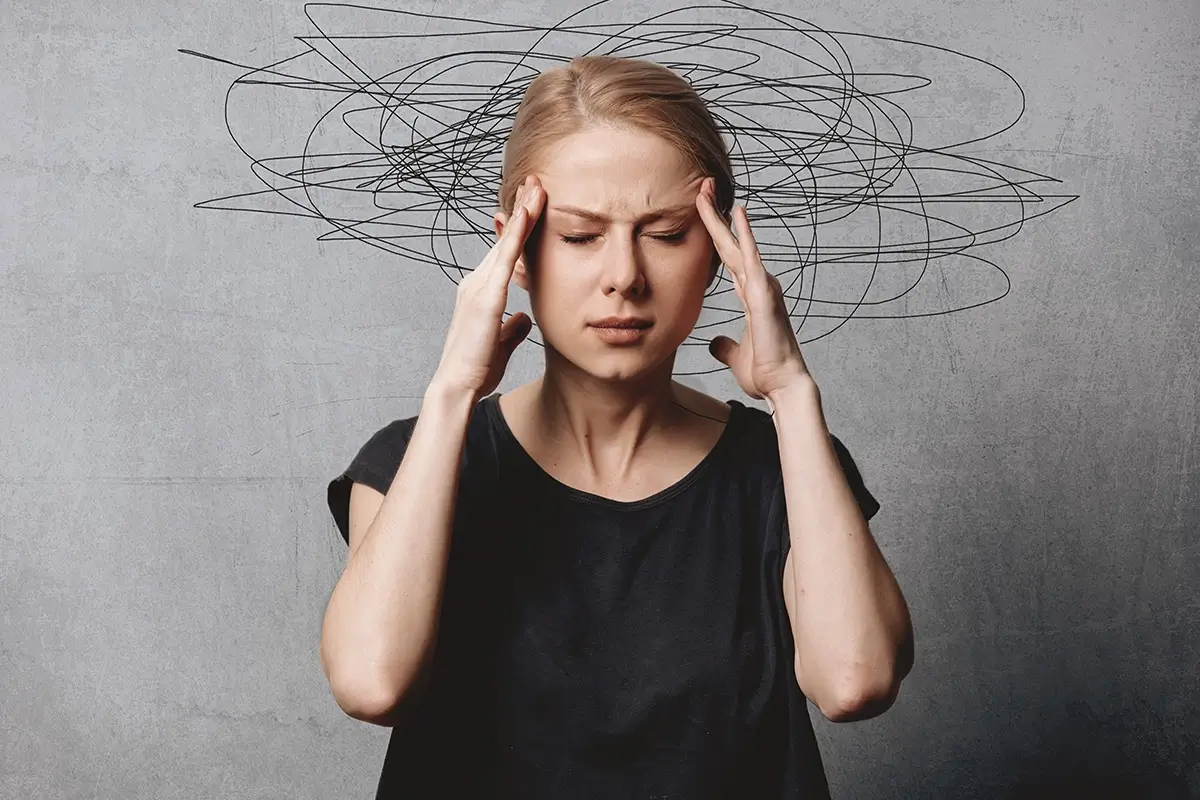
Severe stress causes the nervous system to remain in a state of prolonged alertness, which is commonly known as chronic sympathetic activation. In normal conditions, the sympathetic nervous system regulates the stress response of the body, which is activated temporarily to cope with an immediate threat. Such a fight or flight reaction accelerates the heart rate, enhances concentration, and releases stress hormones like cortisol and adrenaline. Once the perceived danger has passed, the parasympathetic nervous system relaxes the body and restores balance.
However, unlike acute stress the chronic stress may cause an intense and prolonged state, and the nervous system may struggle to restore a relaxed state. Instead, it remains continuously active, causing the body to be in survival mode even when there is no actual threat. This long-term stimulation may overwhelm the body with an inability to control emotions, energy levels, and physical functions.

Cognitive Changes Linked to Chronic Stress
Chronic stress affects your cognition and your thinking patterns. Persistent stress interferes with normal brain activity and significantly disrupts neurotransmitters, affecting how the brain receives information and regulates emotions.
The stress hormones, such as cortisol and adrenaline, not only cause physical issues but also lead to behavioral changes such as anxiety, mood disorders, irritability, and poor concentration. People with chronic stress may develop unhealthy coping behaviors, which include overeating and substance use.
Chronic stress affects the brain’s capacity to concentrate, recall information, and make decisions. Excessive exposure to stress hormones like cortisol disrupts important brain regions involving attention, memory, and executive control that cause forgetfulness, poor concentration, slow thinking, and an inability to adjust to changes. In the long-term, people can become negative thinkers, hyper-reactive to stress, and have poor judgment, which are the causes of anxiety, depression, and burnout.

The Long-Term Effects of Chronic Stress on the Body
Chronic stress not only interferes with mental health, but it also disturbs the whole body’s functioning. The constant fight or flight mode negatively affects multiple systems of the body.
Impact on the Nervous System
The nervous system is a central hub of all brain activities. It involves communication back and forth between the brain and body. Continuous stress keeps the nervous system in a hyperarousal state. This makes it difficult to relax, sleep, or feel emotionally safe. Over time, this contributes to anxiety disorder, panic attacks, and emotional burnout.
Impact on the Cardiovascular System
Chronic stress increases blood pressure, heart rate, and inflammation, raising the risk of:
- Hypertension
- Heart disease
- Stroke
This is why chronic stress is sometimes referred to as chronic stress disease in medical research.
Impact on the Immune System
Stress over a long period of time suppresses the immune system, which exposes individuals to infections, delays wound healing, and causes inflammation.
Impact on Sleep
Sleep and stress are closely related. Most individuals experiencing chronic stress end up with insomnia or other sleep problems, which further deteriorates emotional regulation and physical well-being.

Chronic Stress and Mental Health
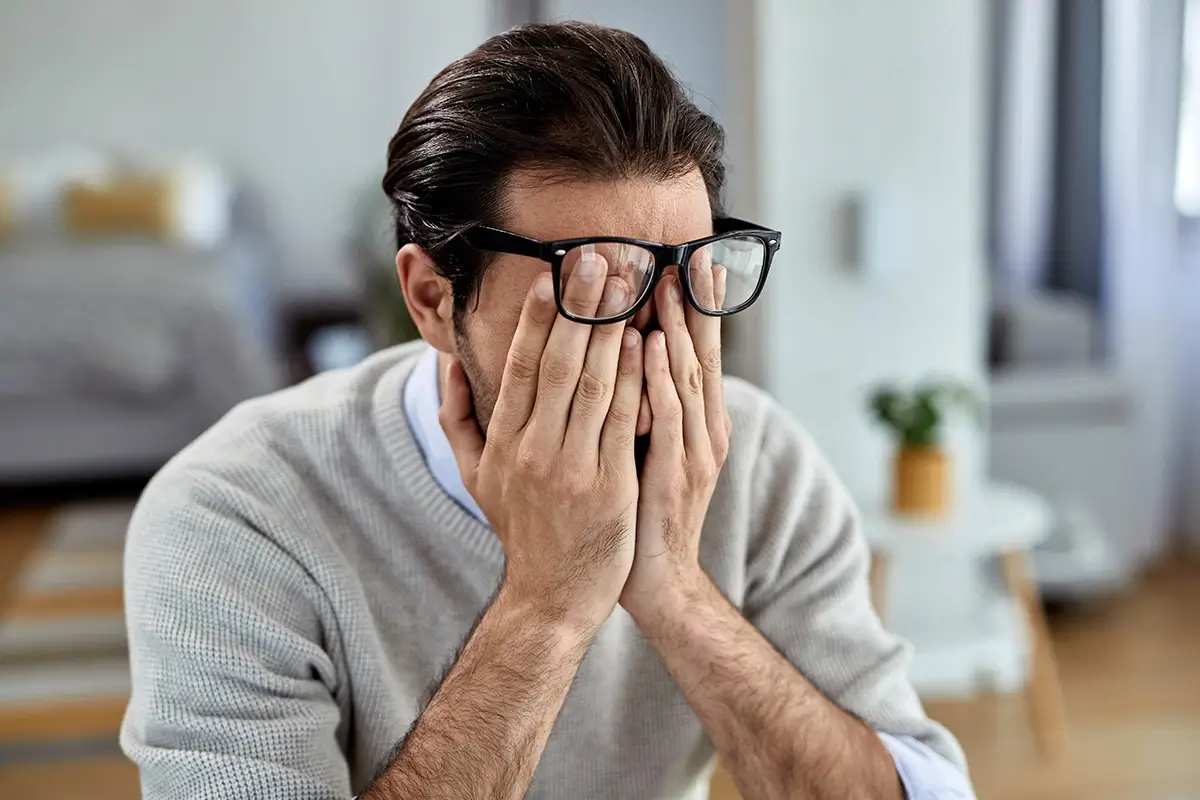
Another risk factor in relation to various mental health conditions is chronic emotional stress. In the long run, it may alter brain chemistry, decrease resilience, and disrupt decision-making. Persistent activation of the stress response is closely associated with:

Chronic Stress Treatment and Professional Interventions
Chronic stress requires holistic treatment with a focus on both symptoms and the causes of the persistent stress. Since chronic stress is likely to impair emotional, cognitive, and physical functioning, professional treatment helps to change thought patterns and regain emotional balance.
Psychotherapy and Counseling
Cognitive Behavioral Therapy (CBT) assists individuals in recognizing their negative thinking patterns, minimizing the catastrophic thinking, and gaining more healthy coping methods to manage the symptoms easily.
Stress Management Therapy guides you to use relaxation methods, time management techniques, and emotional control methods to enhance your day-to-day functioning.
Trauma-Informed Therapy helps to treat situations where chronic stress is related to previous traumas to help patients deal with unresolved experiences and decrease hyperarousal of the nervous system.
Antidepressants. When treating chronic stress, your doctor may manage your symptoms with the help of medicines. Antidepressants can be used to manage the mood and provide emotional stability to people who suffer from depression or persistent anxiety in combination with stress.
Short-term use of anti-anxiety medications may be used in the treatment of severe symptoms of stress, panic attacks, or sustained nervous system activation when it is clinically justified.
Lifestyle-Based Clinical Interventions
Sleep regulation programs: Sleep-promoting drugs can be used temporarily to help in regaining normal sleep habits lost due to chronic stress and insomnia. Programs aimed at sleep regulation are based on enhancing the quality of sleep, stabilizing circadian rhythms, and treating stress-related insomnia.
Mindfulness-based therapies: Mindfulness-based therapies enhance emotional sensitivity, lessen reactivity, and encourage recovery of the nervous system through guided relaxation and meditation.
Behavioral activation strategies promote healthy habits, exercise, and interaction to overcome personal alienation and exhaustion.
Integrated Psychiatric Care
With the help of a combination of therapy, medication management, and lifestyle interventions, the majority of people can considerably decrease the levels of stress, recover emotional balance, and be able to recover long-term resilience.

Healthy Coping Strategies That Work
Learning how to cope with stress is essential for preventing long-term damage. The goal is not to eliminate all stress but to improve how your body and mind respond to it.
1. Build Daily Stress-Reduction Habits
Small daily practices can have a powerful cumulative effect:
- Deep breathing and relaxation exercises
- Mindfulness or meditation
- Gentle physical activity such as walking or yoga
- Limiting caffeine and alcohol
These practices support the nervous system and improve emotional regulation.
2. Improve Sleep Quality
Sleep is one of the most important tools for stress recovery. Aim for consistent sleep and wake times, reduce screen use before bed, and address insomnia early.
3. Set Boundaries Around Stressors
Chronic stress management often requires practical changes, such as:
- Reducing work overload
- Saying no to excessive commitments
- Delegating responsibilities
- Creating time for rest and recovery
4. Strengthen Social Support
Healthy relationships buffer against severe stress. Talking openly with trusted friends, family, or support groups reduces emotional isolation.
5. Seek Professional Support
Self-care alone is often not enough for people coping with chronic stress. Therapy and psychiatric care can help identify underlying patterns, treat coexisting disorders, and build long-term resilience.

How Mid Cities Psychiatry Can Help
Mid Cities Psychiatry offers evidence-based care for individuals struggling with chronic stress and other mental health conditions. Our providers create personalized treatment plans through psychiatric evaluations, medication management, and therapy coordination to reduce symptoms, restore emotional balance, and improve long-term well-being. If you or someone you care is suffering from stress or any mental health conditions, reach out to our team, in order to gain the support, understanding, and treatment you deserve
Frequently Asked Questions
Yes, even if the daily responsibilities may be under control, chronic stress may persist. The stress may be triggered silently through internal pressures, unresolved emotional strain, or perfectionism. This stress can lead to fatigue, anxiety, sleep disturbances, and even physical symptoms, even though there is an external feeling of stability.
No. While major life events can trigger chronic stress, it often develops from smaller, repeated stressors. Ongoing work pressure, relationship tension, financial concerns, or persistent self-criticism can gradually accumulate. This cumulative stress builds slowly and may become chronic without a single identifiable traumatic event.
Chronic stress is a condition that occurs in any age group; however, the effect may vary depending on the life stage. Behavioral or academic changes may be observed in children, while anxiety, fatigue, and health problems may be found in adults, and sleep problems, memory impairment, and aggravation of underlying medical conditions can arise in older adults due to long-term exposure to stress.
Conclusion
Chronic stress is a serious and often underestimated condition that gradually affects both mental and physical health. Continuous nervous system activation, behavioral changes, and long-term biological strain can quietly reduce resilience and quality of life. Learning how to cope with stress through healthy routines is important, but self-care alone may not be enough for lasting recovery. Professional treatment can address underlying causes, restore emotional balance, and prevent long-term complications. With timely intervention and proper support, individuals can regain control, strengthen coping skills, and protect their long-term well-being from the harmful effects of prolonged stress.
Revision History
Author

Dr. Sacha Cohen
Medical & Clinical Educator
Dr. Sacha Cohen is a healthcare professional and medical content writer with experience in clinical training and academic writing. She specializes in creating research-based, accessible healthcare content. With a foundation in medical education and hands-on clinical practice, she brings depth and clarity to every piece she writes. Passionate about making medical knowledge understandable, she aims to educate and inspire her readers.

Dr. Kazi, Seema
Dr Seema Kazi is a board-certified psychiatrist and a proficient Medical Director of Mid Cities Psychiatry at Euless, Texas.
Fact Checker

Dr. Seema Kazi
Founder & Medical Director
Dr. Seema Kazi is the compassionate force behind Mid Cities Psychiatry, where her vision has shaped a practice rooted in empathy, excellence, and patient-centered care. As a triple board-certified psychiatrist in Psychiatry, Geriatric Psychiatry, and Internal Medicine, Dr. Kazi brings over 20 years of clinical experience to her leadership role.