Marijuana Addiction: What Cannabis Dependence Actually Looks Like


Marijuana is often talked about as harmless, natural, or “not really addictive,” and for a long time, that belief shaped how people viewed cannabis use. Over time, the conversation around marijuana addiction has changed dramatically recently. Cannabis legalization has expanded across the United States, and Tetrahydrocannabinol (THC), a psychoactive compound found in cannabis, continues increasing; researchers are paying much closer attention to how repeated marijuana exposure affects the brain, behavior, motivation, and emotional regulation over time.
Not everyone who uses cannabis develops dependence, but that does not mean dependence is rare. In fact, growing evidence now shows that addiction to marijuana, weed, and cannabis can develop gradually, especially when cannabis becomes emotionally tied to stress relief, sleep, boredom, anxiety, or daily coping. This is why many people don’t recognize the problem immediately.
The question “why is marijuana addictive” is being studied more closely today, partly because modern cannabis products are far more potent than those from past decades. Current research concerning the addictiveness of cannabis centers on neurological factors, including reward circuits within the brain, behavior reinforcement, emotional dependency, and the neurological impacts of THC use. Federal debates about cannabis, meanwhile, changed quite a lot during President Obama’s time in office. But alongside that cultural shift came increasing scientific concern around marijuana addiction, long-term cannabis exposure, and changing patterns of weed addiction in younger populations.
Today, mental health professionals no longer view addiction to cannabis simply as a “bad habit.” It is increasingly recognized as a legitimate behavioral and neurological health condition that can affect motivation, emotional stability, cognition, relationships, sleep, and daily functioning. Understanding marijuana addiction starts with understanding how dependence actually develops and why it can become difficult to recognize until cannabis use begins affecting everyday life.
Table of Contents

Clinical Overview of Cannabis Addiction and Marijuana Dependence
One reason marijuana addiction is often misunderstood is that dependence rarely develops overnight. For many individuals, cannabis use begins casually, perhaps in social settings, as a way to manage stress after work, or as part of a nighttime routine. In the beginning, it may seem harmless. However, over time, repeated use can lead to emotional reinforcement. This gradual process is what makes cannabis addiction more complex than many people realize.
The individual may resort to marijuana for:
- Relieving stress
- Sleeping
- Coping with anxiety
- Escaping unpleasant emotions
- Socializing better
- Relieving boredom
Cannabis is no longer a choice. The shift is often one of the earliest signs of addiction to marijuana. Clinically, this condition is often referred to as Cannabis Use Disorder (CUD). This diagnosis is applied by mental health practitioners when the consumption of cannabis is a compulsion that is difficult to manage and interferes with the individual’s emotional well-being and functionality.
A person addicted to marijuana continues using cannabis despite its negative effects on productivity, focus, motivation, emotional stability, relationships, academic performance, and overall sleep quality. One of the factors that makes weed addiction hard to identify is that society compares cannabis with more serious substance abuses. Many individuals struggling with cannabis addiction still maintain jobs, attend school, or function socially while privately feeling emotionally dependent on marijuana. Once cannabis becomes connected to emotional regulation, stopping can trigger irritability, anxiety, cravings, sleep problems, and psychological discomfort that reinforce continued use.
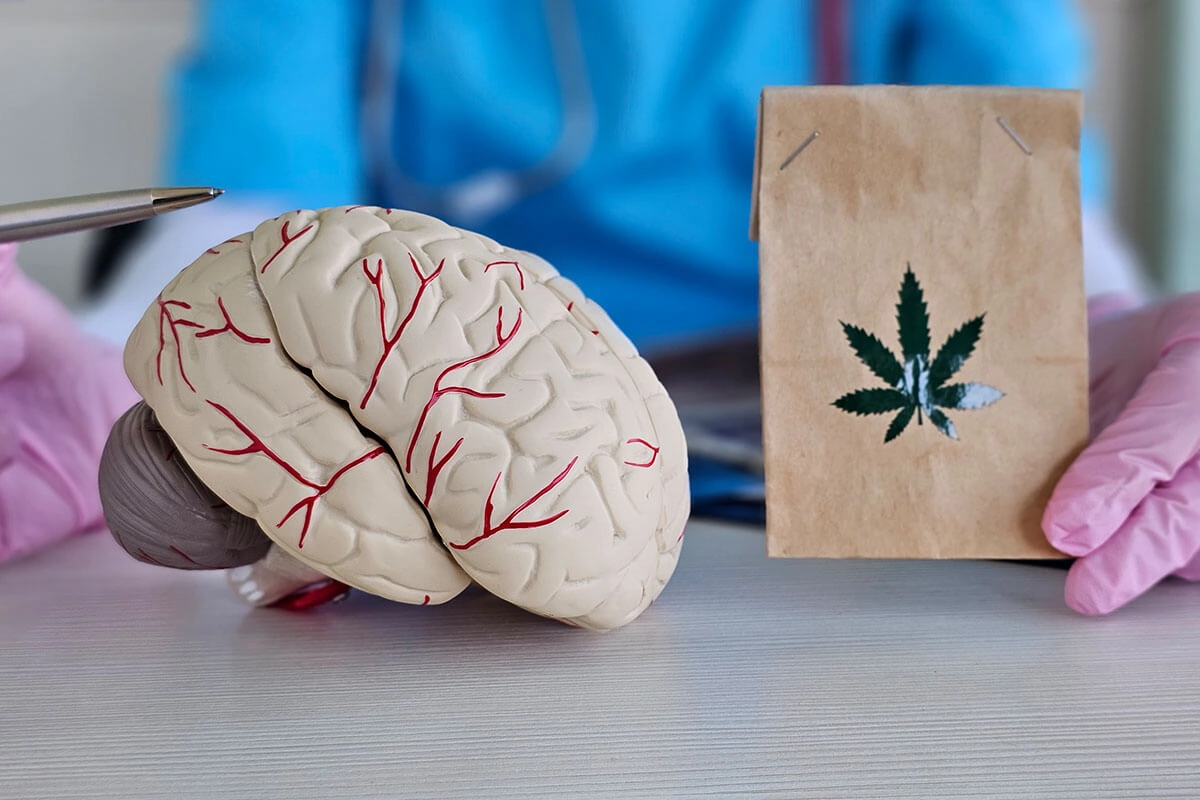
Neurobiological Evidence Behind Cannabis Addiction
Understanding “why is marijuana addictive” requires looking closely at how THC interacts with reward pathways in the brain. Current neurobiological discoveries show a far more intricate scenario. THC is the main chemical in marijuana that creates the “high” feeling. It affects the brain’s endocannabinoid system, which helps regulate things like mood, stress, motivation, emotions, and memory. With repeated exposure, the brain begins to adapt to frequent THC stimulation.
Addiction to cannabis and repeated exposure can impact over time:
- Dopamine-related reward pathways
- Stress tolerance
- Emotional processing
- Motivation systems
- Reinforcement learning
- Impulse control
Cannabis addiction can be difficult to overcome, even when physical withdrawal symptoms appear milder than those associated with other substances. For many people struggling with cannabis addiction, marijuana gradually becomes linked to nearly everything:
- Sleep
- Relaxation
- Stress relief
- Social comfort
- Appetite
- Emotional escape
Once the brain begins relying on cannabis to produce these experiences, stopping use may feel deeply uncomfortable. For this reason, researchers increasingly compare patterns of compulsive cannabis use to mechanisms seen in behavioral addiction. Over time, the brain reinforces repeated use because it associates cannabis with relief, comfort, or emotional regulation.
Recent studies also suggest that long-term heavy cannabis exposure may affect the following:
- Working memory
- Attention
- Emotional responsiveness
- Cognitive flexibility
- Motivation

Diagnostic Indicators and Signs of Marijuana Addiction
One of the biggest misconceptions about marijuana addiction is that cannabis only creates “mental habits” rather than real neurological dependence. The signs of marijuana addiction are often more subtle than people expect. People believe that addiction is present only if an individual is unable to control himself. However, marijuana addiction can happen progressively as a result of behavior reinforcement.
At times, the first symptoms that show up are psychological. The following could be observed:
- Anxiety when not on cannabis
- Difficulty sleeping when off marijuana
- Stress is more challenging without cannabis
- Cravings occur frequently
- Cannabis consumption is automatic when experiencing psychological distress
Eventually, weed addiction starts affecting habits, efficiency, emotions, and motivation. Common signs of marijuana addiction include:
- Difficulty cutting down cannabis use
- Cravings or obsessive thoughts about marijuana
- Increased tolerance
- Irritability when not using cannabis
- Emotional reliance on marijuana
- Reduced motivation
- Disrupted concentration
- Social withdrawal continued
- Use despite negative consequences
Many people struggling with addiction to marijuana also describe feeling mentally dependent on cannabis even when they initially believed they could stop anytime. That psychological reliance is one of the most important indicators clinicians look for. Mental health professionals evaluating cannabis addiction also assess whether marijuana use interferes with:
- Work performance
- School functioning
- Relationships
- Emotional health
- Decision-making
- Long-term goals

Weed Addiction Patterns in Long-Term Cannabis Use
One reason weed addiction has become a growing focus in psychiatry is that modern cannabis use patterns look very different from previous decades. Today’s cannabis products often contain significantly higher THC concentrations than older marijuana products. Researchers believe this may increase reinforcement intensity and long-term dependency risk associated with marijuana addiction. Still, frequency alone is not the only issue; the emotional relationship a person develops with cannabis also matters.
For many individuals struggling with cannabis addiction, marijuana slowly becomes integrated into daily life:
- Before sleep
- After work
- During stress
- While socializing
- During emotional discomfort
- While trying to relax
That repeated reinforcement pattern is one reason addiction to cannabis can become difficult to break. Many people experiencing marijuana addiction describe feeling emotionally “off” without cannabis, even during ordinary situations. This is where long-term cannabis use begins affecting behavior more deeply.
Research suggests prolonged heavy exposure may contribute to:
- Reduced motivation
- Emotional flattening
- Attention difficulties
- Disrupted sleep regulation
- Impaired reward sensitivity
Researchers studying why marijuana is addictive increasingly focus on this interaction between THC potency, emotional reinforcement, and brain reward adaptation. Importantly, this does not mean every cannabis user develops severe impairment.



Marijuana Treatment Approaches and Cannabis Use Disorder Treatment
Effective marijuana treatment is not simply about telling someone to “stop smoking.” Long-term recovery usually requires understanding why cannabis became emotionally reinforcing in the first place. Stress, anxiety, and trauma are some of the common causes. Without addressing the deeper reinforcement patterns, relapse becomes much more likely. Effective cannabis use disorder treatment also focuses on helping individuals rebuild emotional coping skills, daily structure, and healthier behavioral patterns without relying on cannabis constantly.
Many clinicians now approach cannabis use disorder treatment similarly to other forms of addiction because repeated cannabis exposure can strongly affect reward systems and coping behaviors. Mental health professionals also recognize an overlap between marijuana addiction, anxiety disorders, depression, trauma, and other forms of substance abuse. Modern cannabis use disorder treatment often focuses on both neurological and behavioral recovery. Evidence-based approaches to marijuana treatment may include:
- Cognitive Behavioral Therapy (CBT)
- Motivational Enhancement Therapy
- Relapse prevention strategies
- Psychotherapy
- Emotional regulation training
- Support groups
- Lifestyle restructuring
Some people dealing with weed addiction may also struggle with things like alcohol addiction or opioid addiction, especially when substances slowly become their main way of coping with stress, emotions, or everyday life. Quitting cannabis is not just about “removing weed.” A lot of the time, it’s also about learning how to handle stress, emotions, sleep, or difficult situations without depending on substances to feel okay.
Marijuana Recovery and Long-Term Cannabis Recovery Outcomes
Recovery from marijuana addiction is possible. Many people underestimate how emotionally challenging early recovery can feel. During the first stages of marijuana recovery, the brain is adjusting to reduced THC exposure after repeated reinforcement patterns. This is why early cannabis recovery may involve irritability, anxiety, sleep disruption, and reduced appetite.
For many individuals, the hardest part of cannabis recovery is not physical withdrawal. It is learning how to manage stress, emotions, boredom, sleep, or emotional discomfort without relying on cannabis automatically. Structured support systems can significantly improve long-term cannabis recovery outcomes. Some helpful interventions include:
- Psychotherapy
- Structured routine
- Exercise
- Mindfulness techniques
- Sleep normalization
- Support networks
- Good reward
- Development of behaviors
Another factor that contributes to better long-term recovery is that, over time, the brain relearns to control motivation and mood regulation without the ongoing need for THC intake. By learning about the neuroscience of weed addiction, one can minimize feelings of guilt when recovering from addiction. Many people feel guilty about not being able to give up cannabis without realizing how much their brain might be accustomed to rewards over time. Cannabis recovery becomes easier when people understand that marijuana addiction involves both neurological conditioning and emotional habit formation, not simply a lack of willpower.
Marijuana Addiction Related FAQs
Researchers studying “why is marijuana addictive” have found that THC can change the brain reward pathways over time, which are responsible for motivation, emotional regulation, stress response, and reinforcement learning. Cannabis can become emotionally and neurologically associated with relief, comfort, or coping over time.
Many patients can more easily achieve recovery from marijuana addiction if they have a support system, a healthy routine, and effective emotional coping mechanisms other than cannabis.
The addiction to marijuana can lead to certain alterations in the brain’s motivational, emotional, and reward centers over time. Due to this mechanism, the brain will be able to associate cannabis addiction with relaxation and good health, which makes withdrawal and addiction even harder to overcome for many people.
Early abstinence from marijuana addiction may include anxiety, cravings, irritability, mood swings, sleep disturbances, emotional discomfort, and difficulty adapting to life without cannabis reinforcement patterns.
Cannabis addiction is a condition where a person develops a dependence on marijuana use, making it difficult to stop despite negative effects. Addiction to cannabis can affect daily functioning, motivation, and emotional well-being. Understanding addiction to cannabis is important for recognizing when use has become problematic and may require support.
Final Thoughts on Marijuana Addiction and Recovery
Questions like “why is marijuana addictive” are becoming increasingly important as cannabis use continues to rise globally. The conversation around cannabis has changed dramatically in recent years. However, as legalization expands and public perception shifts, research on marijuana addiction, weed addiction, and cannabis addiction continues to grow as well. Modern psychiatry no longer views marijuana addiction as simply a lack of discipline or “bad habits.”
Researchers now understand that repeated cannabis exposure may gradually reshape reward pathways, emotional coping systems, stress regulation, and behavioral reinforcement patterns in ways that make dependence difficult to recognize and even harder to break. Early recognition of the signs of marijuana addiction and proper cannabis use disorder treatment can significantly improve long-term mental health and recovery outcomes. That is why understanding signs of marijuana addiction, emotional dependence, withdrawal symptoms, and long-term reinforcement patterns matters so much.
Many people struggling with cannabis addiction do not realize how deeply marijuana has become tied to stress relief, sleep, comfort, motivation, or emotional escape; stopping suddenly feels overwhelming. This does not mean recovery is impossible. With proper support, evidence-based marijuana treatment, emotional awareness, and structured cannabis recovery, long-term healing and behavioral change are absolutely possible. The most important step is recognizing that marijuana addiction is real and that understanding it through a modern, evidence-based perspective creates far better outcomes than stigma, denial, or oversimplification ever will.
Revision History
Author

Dr. Sacha Cohen
Medical & Clinical Educator
Dr. Sacha Cohen is a healthcare professional and medical content writer with experience in clinical training and academic writing. She specializes in creating research-based, accessible healthcare content. With a foundation in medical education and hands-on clinical practice, she brings depth and clarity to every piece she writes. Passionate about making medical knowledge understandable, she aims to educate and inspire her readers.

Dr. Kazi, Seema
Dr Seema Kazi is a board-certified psychiatrist and a proficient Medical Director of Mid Cities Psychiatry at Euless, Texas.
Fact Checker

Dr. Seema Kazi
Founder & Medical Director
Dr. Seema Kazi is the compassionate force behind Mid Cities Psychiatry, where her vision has shaped a practice rooted in empathy, excellence, and patient-centered care. As a triple board-certified psychiatrist in Psychiatry, Geriatric Psychiatry, and Internal Medicine, Dr. Kazi brings over 20 years of clinical experience to her leadership role.