Prenatal Depression During Pregnancy: Clinical Insights into Maternal Mental Health


Pregnancy is frequently portrayed as a joyful and emotionally satisfying experience. However, for numerous women, the reality can be considerably more complex. Beyond the physical transformations, hormonal fluctuations, and life adjustments associated with pregnancy, some women endure ongoing sadness, emotional numbness, anxiety, fatigue, or despair that extends well beyond typical stress. For many years, maternal mental health was largely centered on postpartum depression following childbirth. Research shows that depression can set in years before, during the pregnancy itself.
Healthcare providers now recognize prenatal depression during pregnancy as a serious mental health diagnosis that can impact emotional health, sleep, relationships, stress regulation, and day-to-day functioning throughout pregnancy. Many symptoms are often mistaken for what we might call “normal pregnancy emotions,” which is one of the main reasons it frequently goes unnoticed. Fatigue, mood swings, disrupted sleep, appetite changes, emotional overwhelm, and decreased motivation are all common during pregnancy. But if these feelings are persistent, emotionally heavy, or difficult to manage, they might be signs of something more than temporary emotional stress.
Research on mental well-being during pregnancy focuses more on early diagnosis and treatment of prenatal depression among expectant mothers. Mental well-being holds equal importance to physical well-being during pregnancy. Appreciating the emotions experienced during pregnancy can enable many pregnant women to seek help instead of suffering in silence.
Table of Contents

Antepartum Depression in Maternal Mental Health Frameworks
Clinicians often use the term “antepartum depression” to describe depression that occurs during pregnancy before childbirth. Although many people are more familiar with postpartum depression, antepartum depression has become an increasingly important focus in maternal mental health research. Research shows that emotional well-being during pregnancy may have a strong influence on stress management, sleep, emotions, interpersonal relationships, self-care, and the entire pregnancy experience. For some women, symptoms may appear gradually. Maybe motivation starts disappearing. Pregnancy no longer becomes an emotionally replenishing experience. Simple chores suddenly seem too difficult. Emotional overload becomes increasingly unmanageable. Additionally, considering that pregnancy by itself involves tremendous emotional and physical transitions, it takes several weeks or months before many women realize their symptoms. That is why antepartum depression is frequently underdiagnosed because pregnant women are often expected to look happy and emotionally satisfied despite their internal state.
Today’s approaches towards mothers’ mental well-being suggest that the fact of being pregnant does not mean that any kind of emotional suffering during pregnancy should be overlooked. Furthermore, the researchers investigating antepartum depression consider a wide array of factors that include emotional instability, changes associated with hormone levels, previous experience of mental conditions, stress, trauma, anxiety, and psychosocial issues. Moreover, depression in pregnancy is absolutely normal and certainly not a sign of weakness or inadequacy. The condition requires proper attention and treatment.
Emotional and Behavioral Effects of Pregnancy Depression
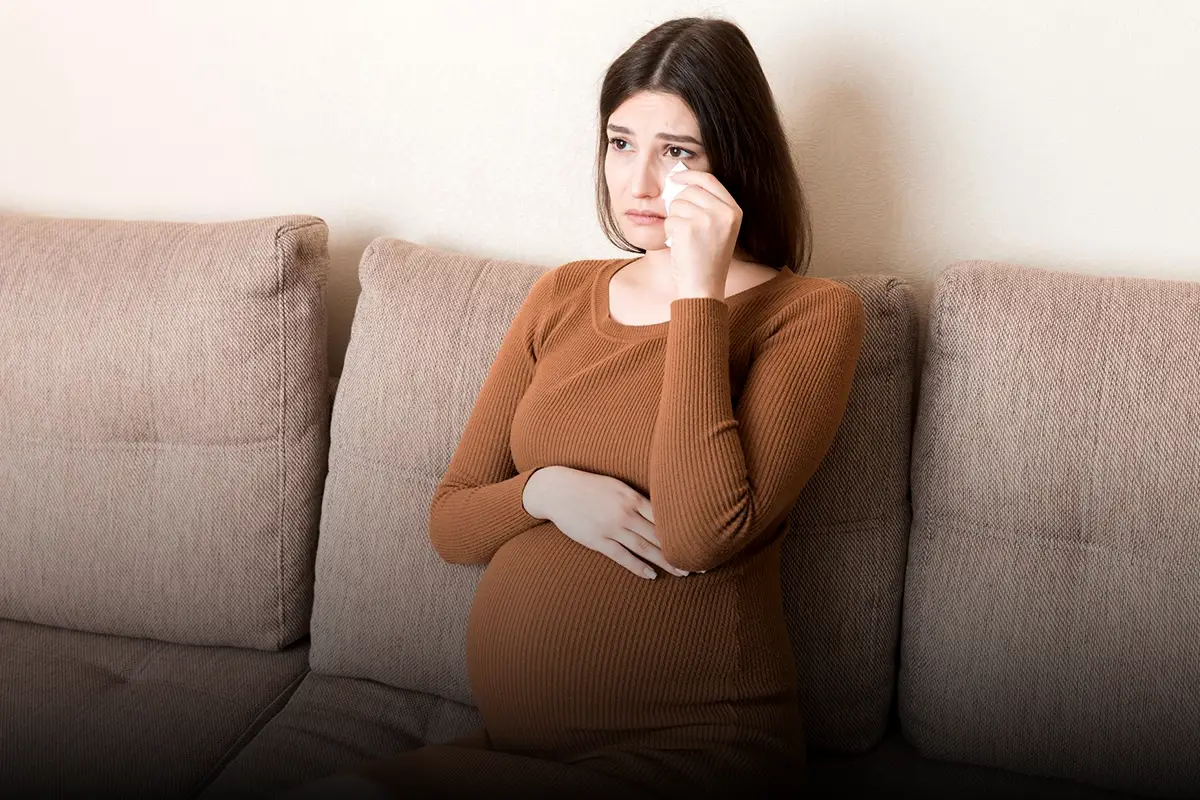
Depression while pregnant can affect a person’s emotional, cognitive, and behavioral well-being in significant ways. One reason depression while pregnant can feel confusing is that many women expect pregnancy to feel emotionally fulfilling all the time. But emotional experiences during pregnancy are rarely that simple. Some women experiencing depression while pregnant describe feeling emotionally disconnected, persistently overwhelmed, unusually irritable, emotionally numb, or mentally exhausted. Others may feel guilty for not feeling “happy enough” during pregnancy. This emotional guilt often makes symptoms even harder to talk about.
From a behavioral perspective, prenatal depression can impact the following:
- Motivation
- Emotional regulation
- Sleep cycles
- Appetite
- Stress resilience
- Concentration abilities
- Day-to-day functioning
- Relationships with other people
In some cases, the person experiences an emotional withdrawal. Engaging in activities that were previously enjoyable might become emotionally tiring. Simple daily tasks might feel incredibly burdensome. Making decisions may start to drain emotional resources. That is why today, the importance of early detection of prenatal depression by clinicians cannot be overestimated, as it should not be left to chance to assume that symptoms will eventually go away.
Many women experiencing pregnancy depression symptoms are also accompanied by increased anxiety levels. Mental preoccupation with motherhood, delivery, financial security, relationship status, changes in body, and the future might take place. Since pregnancy involves significant physical stress for the woman, emotional exhaustion is exacerbated. Research also suggests that persistent emotional distress during pregnancy may affect maternal sleep, stress hormone regulation, emotional bonding experiences, and overall quality of life. That is why emotional well-being during pregnancy deserves serious clinical attention.

Signs of Prenatal Depression Symptoms in Clinical Observation
The signs of prenatal depression symptoms are not always obvious. In many cases, depression in pregnancy develops gradually. At first, symptoms may look like normal emotional exhaustion. A woman might realize that she experiences more episodes of feeling emotionally exhausted. There is a decrease in motivation levels. The quality of sleep deteriorates. Minor irritations become extremely stressful. With time, however, the heaviness of emotions becomes too difficult to deny.
Some common symptoms of prenatal depression could include:
- A sense of persistent sadness
- A lack of emotion
- Hopelessness
- Fatigue
- Excessive guilt
- Inability to bond emotionally with the pregnancy
- Insomnia
- Appetite problems
- Anxiety
- Lack of motivation
- Concentration difficulties
- Isolation
- Emotional functioning
- Daily routines
- Relationships
- Nutrition
- Sleep quality
- Stress management
- Self-care behaviors
Persistent symptoms or signs of prenatal depression lasting more than two weeks generally require closer emotional and clinical evaluation.


Prenatal Depression Treatment and Evidence-Based Clinical Intervention Approaches
Effective prenatal depression treatment focuses on emotional support, mental health stabilization, stress regulation, and individualized care. Treatment does not look the same for every woman. While some people respond mainly to psychotherapy and emotional support, others might need organized psychiatric care based on the severity of their symptoms.
Treatment methods used in contemporary practice for prenatal depression may consist of:
- Cognitive Behavioral Therapy (CBT)
- Interpersonal therapy
- Counseling for emotional support
- Stress management
- Sleep stabilization
- Mindfulness-based approaches
- Psychiatric assessment where necessary
- Group psychotherapy

It is one of the critical elements of prenatal depression care that patients feel secure talking about their conditions. Many women hesitate to talk about depressive symptoms during pregnancy because they fear judgment or worry they will be viewed as “bad mothers.” That stigma can delay treatment significantly. Clinicians now emphasize that seeking help for prenatal depression while pregnant is actually an important form of maternal and emotional care.
Research also shows that early intervention may improve the following:
- Emotional functioning
- Stress management
- Sleep quality
- Relationship stability
- Maternal coping ability
- Long-term emotional outcomes
In some cases, healthcare professionals may also discuss medication options when symptoms become severe or significantly impair functioning. Treatment is usually personalized according to psychological history, severity of symptoms, medical factors, and general maternal health. Above all, pregnant women suffering from depression require empathy and understanding rather than being ignored emotionally.

Depression in Pregnancy: Risk and Contributing Factors
There usually is not one single reason why depression in pregnancy happens. For a lot of women, it’s a mix of things building up at the same time: physical changes, hormones, stress, emotional pressure, exhaustion, relationship struggles, or simply feeling overwhelmed by how much life is changing.
Pregnancy can already be emotionally intense on its own. Your body changes, your sleep changes, your routine changes, and sometimes even your sense of identity starts shifting too. While some women find they adapt emotionally, others will find they start to feel mentally drained in ways they didn’t expect.
Depression in pregnancy can be related to common factors such as:
- Previous depression or anxiety
- Chronic stress
- Lack of emotional support
- Relationship problems
- Financial pressure
- Pregnancy complications
- Poor sleep
- Trauma or difficult past experiences
- Feeling emotionally isolated
For some women, the pressure to feel “happy” during pregnancy actually makes things worse. Some women are likely to feel guilty since they are undergoing tough times when everyone else expects happiness from them. But the truth is, many women experiencing prenatal depression during pregnancy quietly feel disconnected from the version of pregnancy they thought they were supposed to have.
Pregnancy Depression, Prepartum Depression, and Longitudinal Mental Health Impact
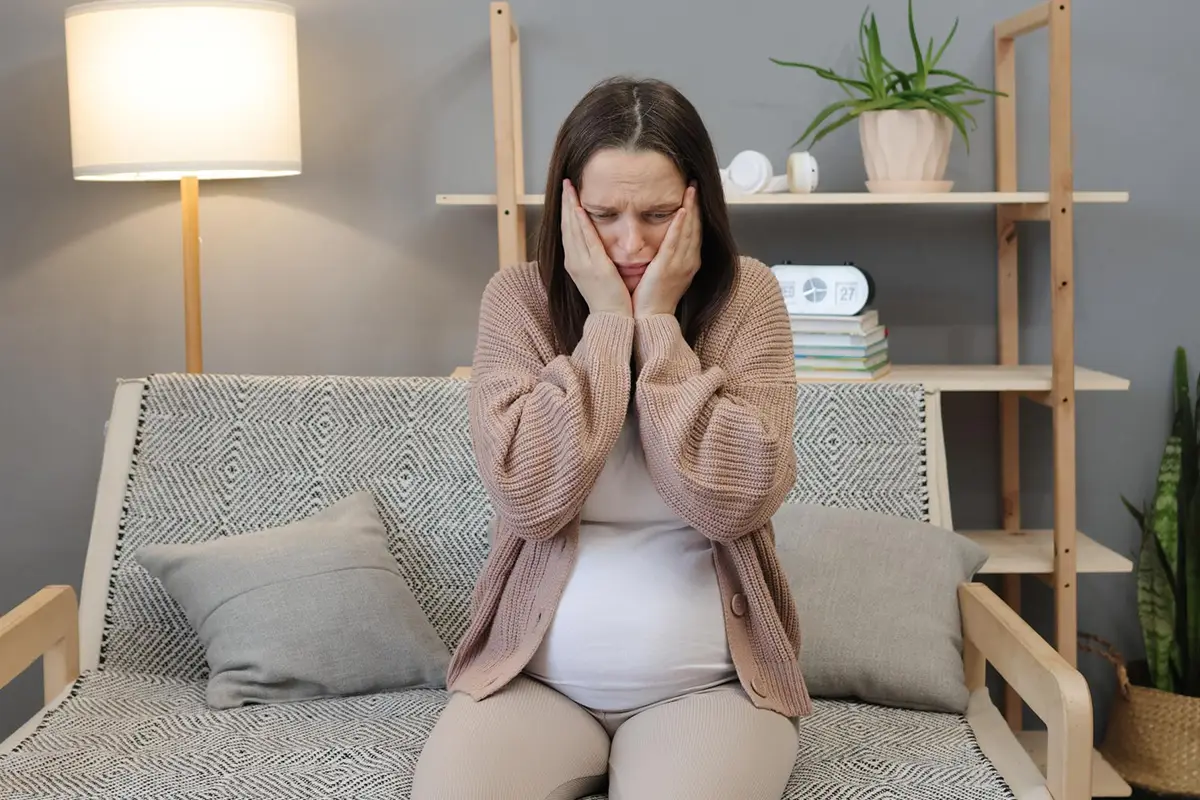
The emotional effects of pregnancy depression do not always disappear immediately after delivery. For some women, untreated symptoms of prepartum depression can continue affecting emotional health long after the baby is born. This is one reason doctors now take prepartum depression much more seriously than they did in the past. When someone spends months emotionally overwhelmed, exhausted, anxious, or mentally drained, it can slowly start affecting sleep, stress levels, relationships, and overall emotional well-being. Some women describe feeling emotionally distant from themselves during pregnancy. Others feel guilty because they are not experiencing the “glowing and joyful” version of pregnancy they expected. Depression during pregnancy is not always just sadness.
Sometimes it looks like this:
- Emotional numbness
- Constant exhaustion
- Irritability
- Anxiety
- Hopelessness
- Feeling mentally disconnected
- Crying more easily
- Feeling overwhelmed all the time
Women experiencing prepartum depression often need emotional support long before things become severe. More conversations around prepartum depression can help reduce stigma and encourage earlier support. Early support can make a huge difference in long-term emotional recovery.

Prenatal Depression in Clinical Research and Healthcare Guidelines
Over the past several years, doctors and researchers have started paying much closer attention to prenatal depression during pregnancy. One big reason is that many women struggle silently without realizing that what they are experiencing may actually be depression. A lot of symptoms get brushed off as “normal pregnancy emotions.” While mood changes during pregnancy are common, persistent emotional heaviness, hopelessness, anxiety, or exhaustion should never be ignored. This is why many healthcare providers now recommend routine emotional screening during pregnancy.
Doctors may use tools like the following:
- EPDS questionnaires
- PHQ-9 screenings
- Mental health assessments
- Emotional wellness check-ins
Prenatal Depression-Related FAQs
Pregnancy is a highly dynamic process where there is an enormous change in physiological processes because of hormonal shifts, sleeplessness, stress, and major physical transformations. Some women can experience a combination of all these elements that start influencing their mental and emotional states and cause prenatal depression development.
Fatigue is one of the most common symptoms associated with prenatal depression during pregnancy. Most patients suffering from prenatal depression symptoms complain about constant fatigue regardless of rest periods. This condition is exacerbated by mental and emotional exhaustion, excessive thoughts, and insomnia.
Women with prenatal depression sometimes feel guilty because they do not feel emotionally connected to the pregnancy all the time. Others may feel numb, distant, overwhelmed, or emotionally checked out. This is actually more common than people think and does not mean someone will be a bad parent or will not bond with their baby later.
Clinicians usually apply straightforward questionnaires that check emotional well-being during prenatal depression. Screening will help determine early on any problems related to psychological well-being in order to assist the woman earlier.
The experience of mood swings and changing emotions can occur during pregnancy. But when sadness, anxiety, hopelessness, emotional numbness, exhaustion, or difficulty functioning start lasting for weeks and begin affecting everyday life, it may be symptoms of prenatal depression.
Conclusion for Prenatal Depression
Pregnancy can be beautiful, exciting, emotional, and overwhelming, and sometimes incredibly hard all at once, and for many women, prenatal depression during pregnancy is not just “mood swings” or normal stress. It can feel emotionally exhausting, isolating, and difficult to explain, especially when everyone expects pregnancy to feel happy all the time.
That is why conversations around maternal mental health matter so much. Having difficulty emotionally while pregnant doesn’t mean you’re weak, ungrateful, or a terrible mother. Early identification and appropriate support are important, as depression while pregnant can impact both maternal well-being and overall quality of life during pregnancy.
Revision History
Author

Dr. Sacha Cohen
Medical & Clinical Educator
Dr. Sacha Cohen is a healthcare professional and medical content writer with experience in clinical training and academic writing. She specializes in creating research-based, accessible healthcare content. With a foundation in medical education and hands-on clinical practice, she brings depth and clarity to every piece she writes. Passionate about making medical knowledge understandable, she aims to educate and inspire her readers.

Dr. Kazi, Seema
Dr Seema Kazi is a board-certified psychiatrist and a proficient Medical Director of Mid Cities Psychiatry at Euless, Texas.
Fact Checker

Dr. Seema Kazi
Founder & Medical Director
Dr. Seema Kazi is the compassionate force behind Mid Cities Psychiatry, where her vision has shaped a practice rooted in empathy, excellence, and patient-centered care. As a triple board-certified psychiatrist in Psychiatry, Geriatric Psychiatry, and Internal Medicine, Dr. Kazi brings over 20 years of clinical experience to her leadership role.