Mental Fortitude: Building Resilience, Strength, and Emotional Stability


Mental strength to navigate adversities, stress, and emotional turmoil is a sign of strong mental fortitude. It is a quality that is developed through building mental resilience, strength, and emotional stability.
People with strong mental fortitude can handle hardships and adversities head-on. Mental fortitude or toughness enables an individual to grow in the presence of difficult situations. It can help you tackle difficult work situations, tricky personal relationships, or other challenges.
Mental toughness is not developed in one day or a week; it requires years of practice and conscious effort to train your mind for mental fortitude. In this blog, we will discuss in detail what Mental toughness is and how you can build it.
Table of Contents

Mental Fortitude and Its Components
Mental fortitude is the psychological trait of an individual to remain resilient, focused, and confident under challenging situations. It is a concoction of emotional resilience, confidence, adaptability, boundary setting, and self-awareness. Mental toughness enables a person to follow their goals and achieve them even in the presence of hurdles.
Mental fortitude can be achieved when you are able to process and handle your emotions effectively. This is the key to remaining calm, composed, under control, and thinking productively to face the challenges.
The main components of mental fortitude are listed as follows.
- Mental resilience
- Emotional regulation
- Thinking positively
- Self-confidence
- Setting specific goals
- Flexibility and adaptability
- Self- control
- Mindfulness
- Gratitude
- Problem-solving abilities
- Self-compassion
- Persistence
Mental Toughness and Its Role in Personal Growth
Mental toughness is not only about how you react to unfavorable conditions and matters, but it also impacts how you behave, how your actions are guided, and how you feel about yourself. According to literature, mental fortitude is a blend of various admirable traits, ideals, and moral percepts that support your moral resilience.
The mental fortitude of an individual gives insights into their capacity for personal growth and self-improvement. According to a study, building mental fortitude can help improve mental health conditions, build meaningful relationships, and live happy lives.

Mental Strengths in Overcoming Daily Challenges
Mental strength plays a pivotal role in overcoming the challenges of day-to-day life. It is not only imperative for tackling dreadful situations, but mental fortitude also helps in navigating through the daily challenges by building resilience, emotional regulation, and a positive mindset.
The most important measures that you can take to build Mental toughness for routine life are listed below.
- Elicit positive thinking instead of negative.
- Mindfulness
- Setting personal boundaries and sticking to them.
- Emphasizing a healthy diet, sleep, and exercise to maintain and improve physical health.
- Practice problem-solving skills.
- Building a strong social support

Mentally Strong Individuals and Consistent Behavioral Traits
Mental fortitude cannot be acquired by practicing the positive traits temporarily; it is a virtue of consistent behavioral traits such as emotional intelligence, resilience, and a proactive, growth-oriented mindset.
People with consistent behavioral traits are mentally strong and focus on emotional stability and long-term goals rather than short-term gratification. They are highly adaptable and adjust to the demands of changing situations. It helps them stay relevant and on track to achieve their long-term goals. Consistent behavioral traits help patients stick to their mental health treatment plans as well.
To stay focused on achieving their dreams, people with consistent behavioral traits build small, good habits over time. These small habits may sound and look insufficient, but they have a magnanimous impact on mental fortitude.
Other crucial traits for Mental toughness include focusing on solution-oriented thinking rather than frustration and anger. Understanding that setbacks and failures are a part of the journey can help handle these negative emotions effectively.

Mental Resilience and Adaptability in Stressful Situations
According to the National Library of Medicine, resilience can be defined as a phenomenon of regaining (if not maintaining or even increasing) one’s mental health following a stressor (e.g., a challenge, hardship, or aversive experience). Mental resilience and adaptability are crucial to sail through adverse circumstances.
Individuals with traits like resilience and adaptability are flexible, and they can mold their habits and approach according to the needs. In case of failure or setback, these people do not become pessimistic; they keep their eyes on long-term goals.
Both mental reliance and adaptability play a vital role in helping people bounce back from negative situations. The key strategies to develop these skills include adopting a growth mindset, self-care, accepting change, and practicing mindfulness. These traits also help people who are undergoing treatment for mental health conditions like stress and anxiety, depression, PTSD, mood disorders, etc.


Emotional Strength and Stability in Decision-Making
Emotional regulation can be defined as managing emotions effectively and staying calm under pressure. Emotional, mental strength, and stability are important traits that help you make prompt decisions even in the presence of stress and adversities. These capabilities help people manage and navigate their stress. Such people can make decisions with a clear head.
Emotional strength helps in clear thinking without being influenced by bursts of emotions and stress. It is often the opposite of neuroticism, which is an individual’s temperamental tendency to experience intense and frequent negative emotions when exposed to stress.

Strong Mindset and Long-Term Personal Development
A strong mindset for long-term personal development can be achieved by building self-belief, consistency, and a growth-oriented approach. If you want to cultivate personal growth through a strong mental mindset, you must see failures as learning opportunities. It is important to believe that your talent and intelligence can be polished over time with practice. Mental conditioning through positive morning routines is a great way to build a strong mindset with admirable personality traits.
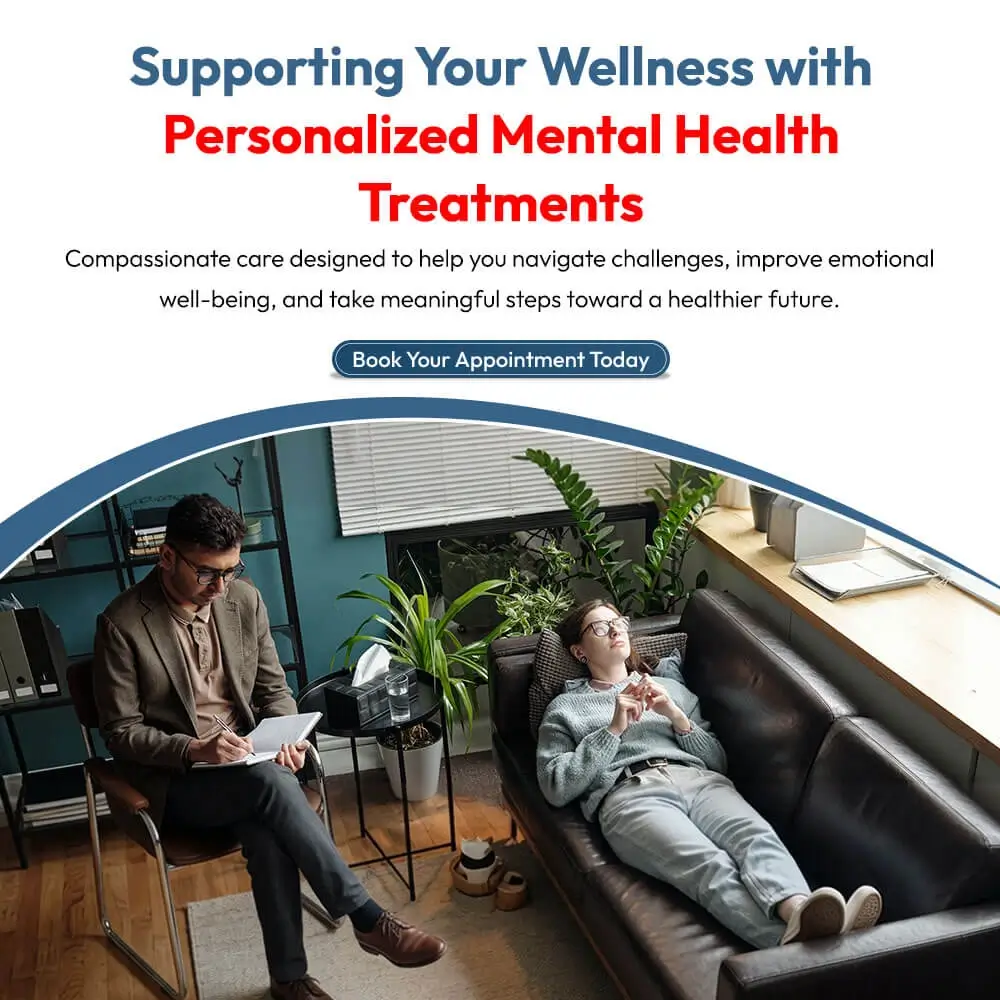
Key strategies for long-term personal development through a strong mental mindset include setting clear and realistic long-term goals and breaking them into small milestones, knowing the difference between core and peripheral tasks, and staying consistent over a long period of time. If you are overwhelmed by these terms and strategies, you can consult a mental healthcare provider like Mid Cities Psychiatry, where board-certified mental health experts will help you navigate with evidence-based solutions and excellent approaches to cultivate strong mental fortitude after careful evaluation and tests.

Emotional Fortitude and Mental Endurance
Emotional fortitude and mental endurance play a vital role in building mental fortitude. These attributes help a person to endure adversity, manage stress, and maintain mental clarity during stress, adversities, and challenges.
Emotional fortitude helps an individual acknowledge their emotions and manage them in a way so that they do not clog their ability to perform or make decisions. Building emotional fortitude is the essential ladder in the development of mental fortitude.
Mental endurance can be developed by stress inoculation, mindfulness, a growth-oriented mental mindset, and acknowledgment. It does not mean to ignore or sideline your emotions; acknowledge them, process them, and use them to learn for the future.
Personal Fortitude and Long-Term Success Strategies
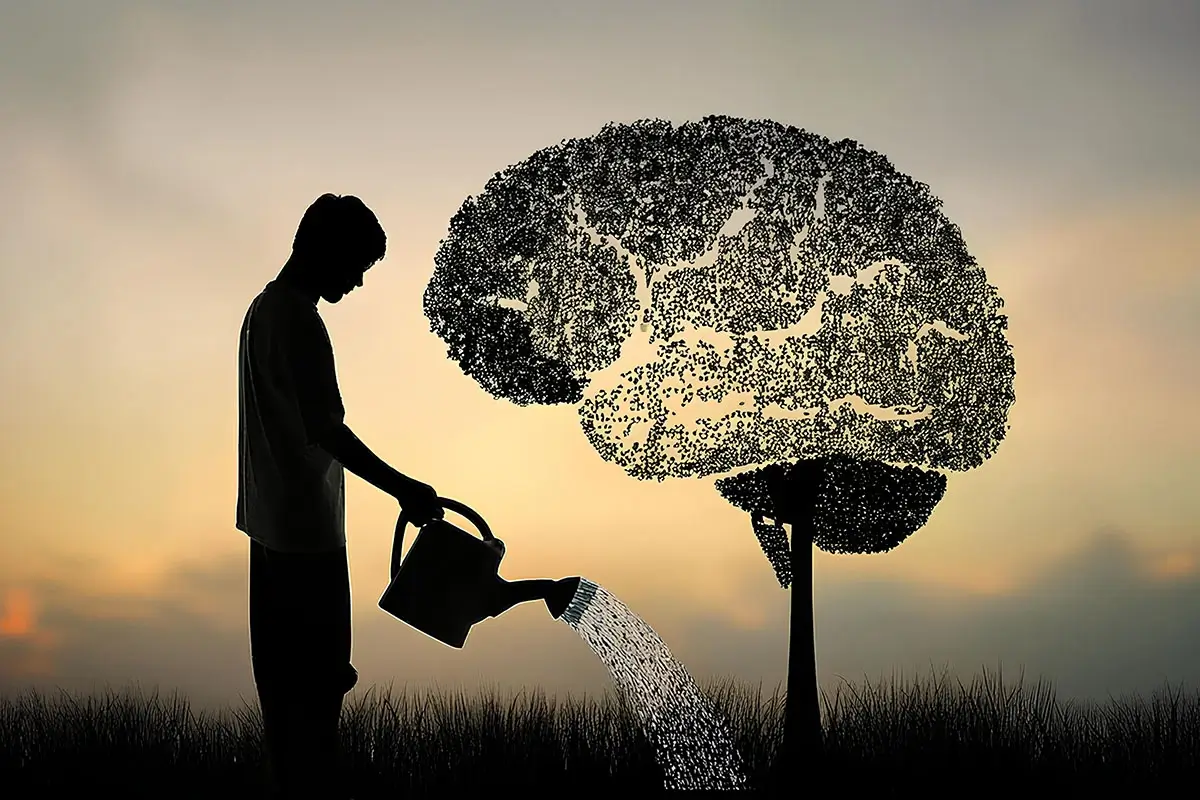
Personal fortitude is a combination of mental fortitude and emotional strength. Personal fortitude helps in facing adversity, pain, or danger with courage. It is a personality trait that is essential for the long-term success of individuals. Personal fortitude is not an innate trait; it is a skill that can be acquired through resilience, mental stamina, emotional endurance, and a strong mindset.
Strategies for long-term success through personal fortitude are listed below.
- A smart framework for goals is important. You should set long-term goals and then break them into realistic and achievable small tasks.
- One must prefer progress over perfection. Practicing a skill day in and day out can help you achieve perfection, but if you strive for perfection in the initial stage, you might feel disappointed.
- Establish healthy daily routines. Healthy routines not only include physical health but also mental and psychological health.
- Set clear boundaries.
- Learn to say no.
- Maintain optimism.
FAQ's for Mental Fortitude
Mental health greatly influences the overall well-being of individuals. It plays a crucial role in maintaining physical health, social connections, and how people behave. People with poor mental health are often at risk of developing chronic diseases and social isolation.
Stress is one of the major health risks not only for emotional and psychological health but also for physical well-being. It can instigate anxiety, depression, mood disorders, social anxiety, and irritability. Chronic stress is associated with burnout, memory issues, cognitive impairment, and PTSD.
Professional support is essential for maintaining mental health. It fosters empathetic care through an evidence-based approach and proven strategies under the guidance of qualified experts.
Social support can help amplify mental health outcomes through providing a supportive environment, a sense of belonging, and validation. It acts as a comfort zone for people struggling with mental health issues and helps them become mentally strong.
Conclusion
Mental fortitude is a blend of traits that can make anyone successful and content in the long term. Mental fortitude includes all the personality traits that help a person face the challenges in their life successfully. Such individuals not only build successful careers, but they also succeed in maintaining healthy relationships and personal growth. People with Mental toughness are often happy from within, and they are satisfied with the life they have.
The good news is that anyone can build mental fortitude with practice, patience, and time. It only requires cultivating the right habits and following the appropriate strategies. If you are unable to design a road map for yourself, you can contact the best mental healthcare provider in Euless, Mid Cities Psychiatry, where a board-certified team will tailor a custom plan for you after a critical consultation, which helps you build strong mental fortitude, emotional regulation, and personal growth.
Revision History
Author

Dr. Sacha Cohen
Medical & Clinical Educator
Dr. Sacha Cohen is a healthcare professional and medical content writer with experience in clinical training and academic writing. She specializes in creating research-based, accessible healthcare content. With a foundation in medical education and hands-on clinical practice, she brings depth and clarity to every piece she writes. Passionate about making medical knowledge understandable, she aims to educate and inspire her readers.

Dr. Kazi, Seema
Dr Seema Kazi is a board-certified psychiatrist and a proficient Medical Director of Mid Cities Psychiatry at Euless, Texas.
Fact Checker

Dr. Seema Kazi
Founder & Medical Director
Dr. Seema Kazi is the compassionate force behind Mid Cities Psychiatry, where her vision has shaped a practice rooted in empathy, excellence, and patient-centered care. As a triple board-certified psychiatrist in Psychiatry, Geriatric Psychiatry, and Internal Medicine, Dr. Kazi brings over 20 years of clinical experience to her leadership role.