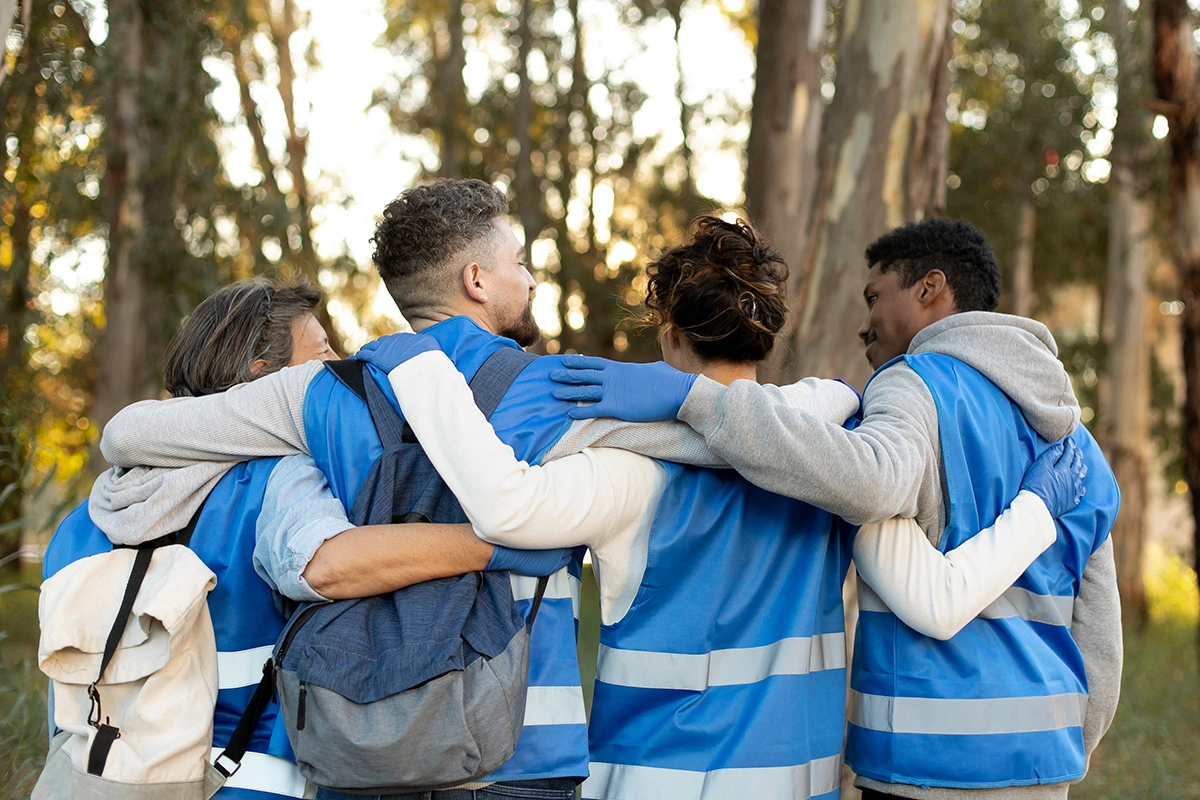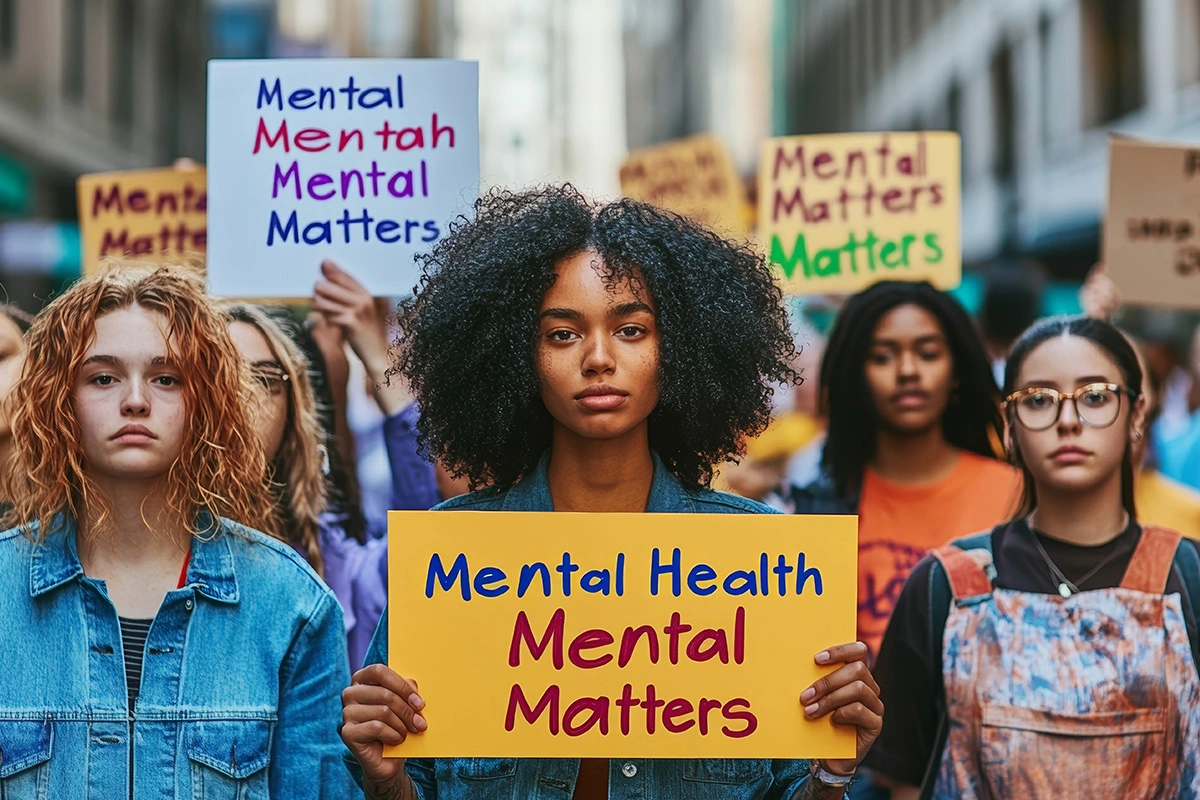
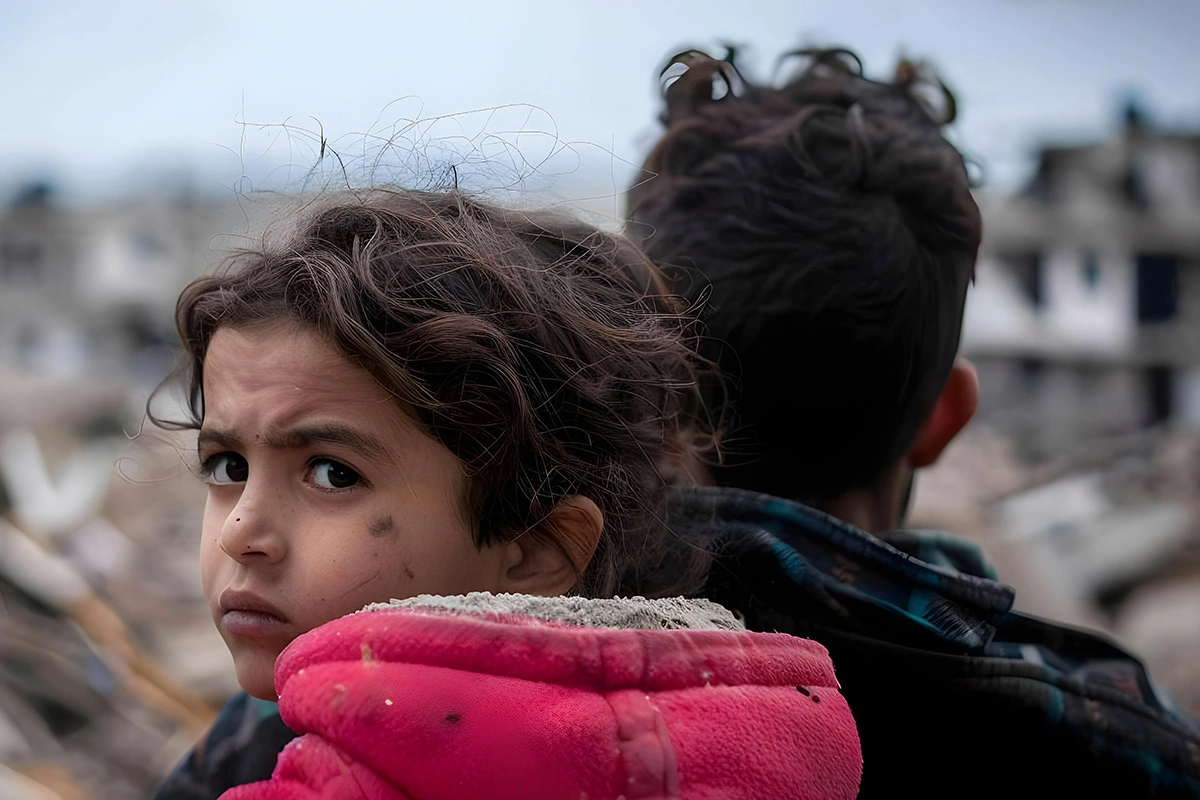
World Mental Health Day 2025

Dr Kazi, SeemaFact Checker: Dr Kazi, Seema
midcitiespsychiatryPublished by: midcitiespsychiatry
Every year, in the month of October, Millions of Mental Health experts come together to discuss and raise awareness about something that is very important for everyone: our Mental Health. Many people continue to hide their pain behind a smile just because of the fear of being judged by others.  This fear of being judged by others is the main culprit that stops people from seeking mental health.  That’s why raising awareness has become very important; mental health awareness is about reminding everyone that mental well-being is just as important as physical health.

Table of Contents

Significance of Mental Health in Relation to World Mental Health Day

Significance of Mental Health in Relation to World Mental Health Day

Mental health is a vital part of our overall well-being. It is just as important as physical health. It affects how we think, feel, and act, how we handle stress, relate to others, and make choices in our daily lives. Despite this, mental health often remains neglected or stigmatized across many parts of the world.

World Mental Health Day, observed every year on October 10, plays a crucial role in changing this narrative. It serves as a global reminder that there is no health without mental health. The day aims to raise awareness, promote understanding, and encourage open conversations about mental health issues that impact millions worldwide.

This day highlights the importance of:

  • Breaking the stigma around mental illness by normalizing discussions about emotional well-being.
  • Encouraging early intervention and access to care for people struggling with anxiety, depression, trauma, or other mental health conditions.
  • Promoting global solidarity by uniting governments, organizations, and individuals to advocate for better mental health services and policies.
  • Empowering individuals and communities to take proactive steps toward maintaining mental wellness through self-care, social connection, and seeking professional help when needed.

World Mental Health Day is not just about awareness – it’s about action. It reminds us that mental health concerns can affect anyone, regardless of age, background, or culture, and that support, compassion, and access to care can change lives.

Every year’s theme set by the World Health Organization (WHO) encourages people to reflect on current mental health challenges and work collectively to build a world where everyone’s mental well-being is valued and protected.
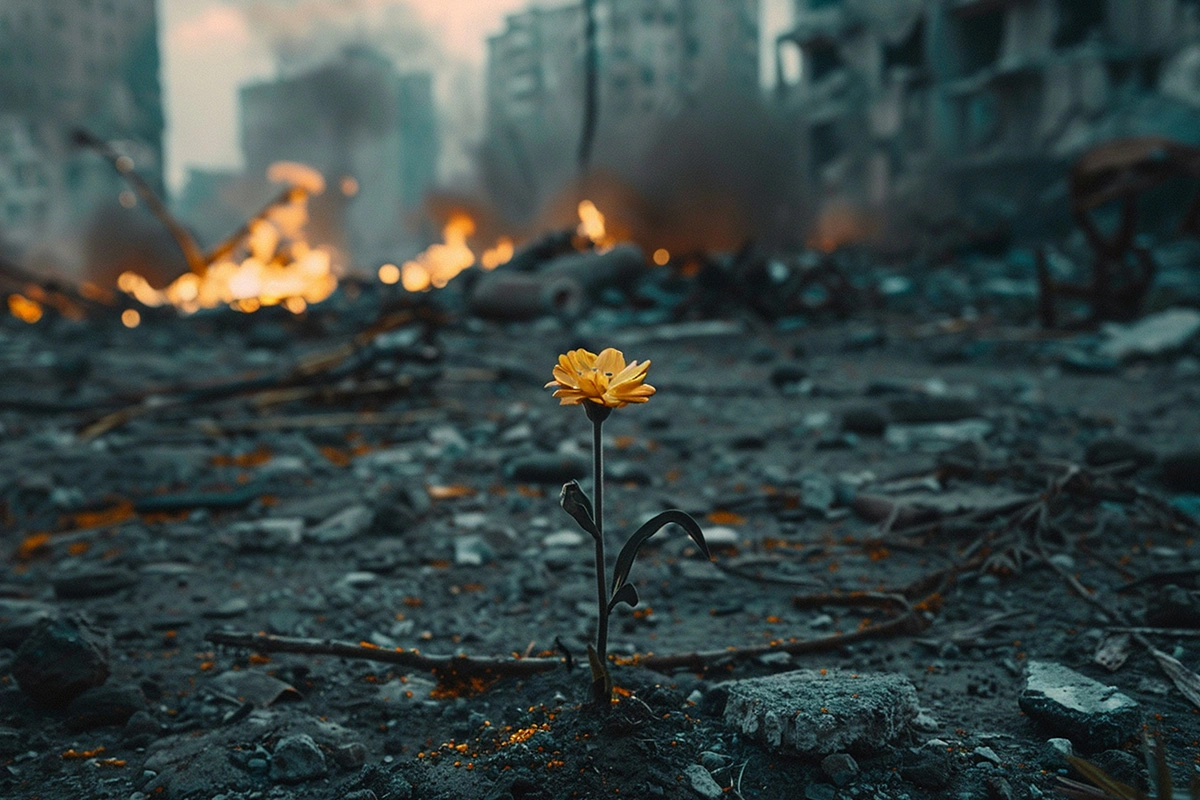
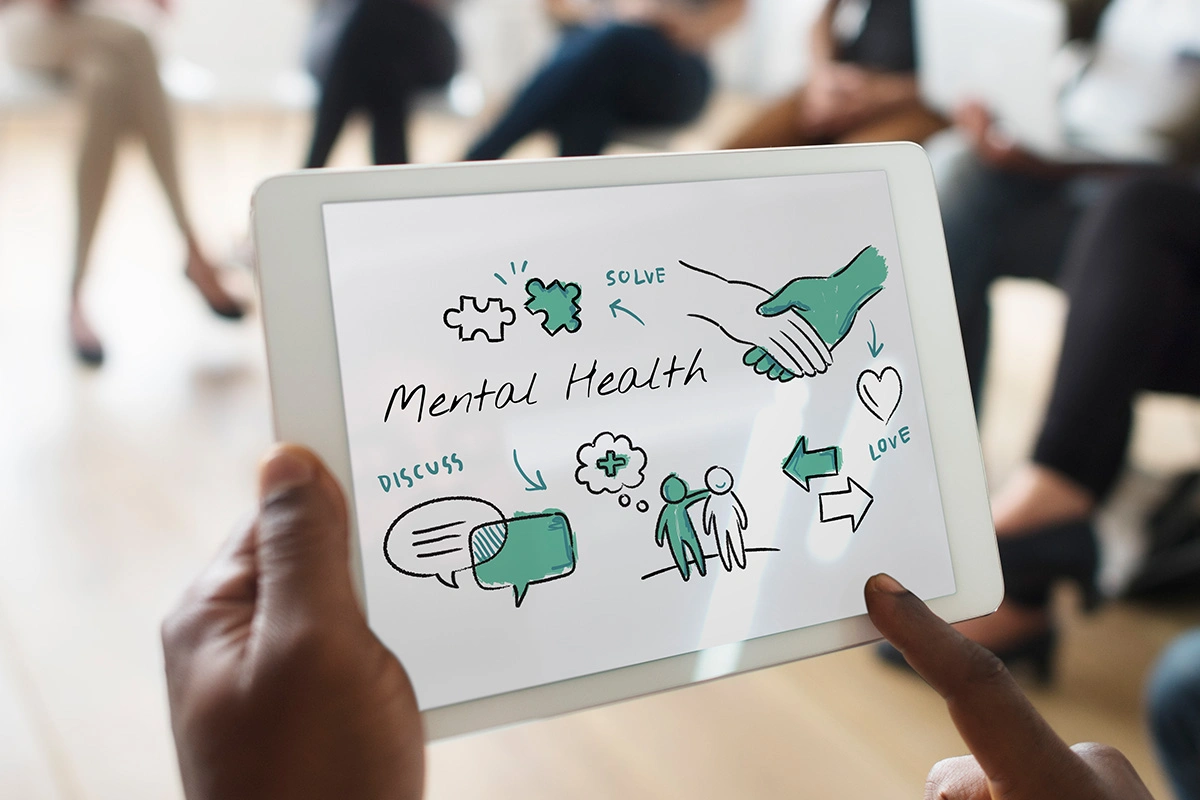
Key Themes for World Mental Health Day 2025: What to Focus On

The theme for World Mental Health Day 2025, “Mental Health in Humanitarian Emergencies,” draws attention to the invisible emotional toll that follows wars, natural disasters, and mass displacement. Recently, the need for mental health awareness has grown more than ever. From wars and natural disasters to pandemics and displacement, millions face crises that leave deep emotional scars. After every catastrophe, whether its war, a natural disaster, or mass displacement, people usually think of finding things for their survival like food, clean water, and a shelter or safe place to stay. But what they often overlook is the silent battle that continues long after the physical danger has passed. Such battles take away the peace from one’s life. The sleepless nights, the constant worry, and the deep sadness that refuses to fade don’t make headlines, but they are just as real and devastating. Emotional wounds may not be visible, yet they can shape a person’s entire life. On World Mental Health Day 2025, the theme is “Mental health in humanitarian emergencies”.  This isn’t just a slogan it’s a spotlight on how conflict, displacement, and disaster set off waves of emotional harm, trauma, and psychological strain that demand urgent attention.
Key Themes for World Mental Health Day 2025: What to Focus On
Healing in Times of Crisis: Coping Strategies and Support Systems That Make a Difference

Healing in Times of Crisis: Coping Strategies and Support Systems That Make a Difference

So, what can really help people cope when everything around them feels uncertain? Let’s look at the strategies that make a difference.

Coping Strategies and Support Systems That Help

So what can people, communities, and first responders actually do even amid chaos? Below are practical, low-barrier strategies that make a difference. Think of them as foundations, not perfect solutions.

Psychological First Aid (PFA)

One of the first lines of defense is Psychological First Aid. This isn’t therapy or clinical care. It’s a supportive approach. Calm presence, listening, helping a person stabilize emotionally, and connecting them to resources or ongoing help. It can be taught in workshops and used by community volunteers, teachers, or health workers.

Safe Spaces and Community Networks

Wherever possible, create safe, peaceful spaces in camps, shelters, community centers, where people can gather, talk, rest, and rebuild routine. Sometimes, just being with a caring person can bring relief. Community groups, faith organizations, peer support groups help people feel less alone. Sharing stories, art, play and simple social activities rebuild hope.

Family and Peer Support

Families matter. Where possible, keeping families together, involving those in support, training caregivers in basic emotional care can shorten recovery. Peers with shared experiences – for instance, someone who survived an emergency  can become guides, supporters, or mentors.

Self-Care Tools (Simple and Accessible)

Even small steps can help:

  • Breathing exercises or grounding techniques (e.g. noticing senses: “What can I see, hear, touch, and smell right now?”)
  • Journaling or storytelling (writing, drawing)
  • Slow movement: walking, stretching
  • Keeping routines where possible (bedtimes, meals)
  • Limiting what we can’t control (media, rumors, fear)

These are not cures, but tools that help someone hold on until more structured support is available.

Role of Tele therapy in Humanitarian Crises (and MidCities’ Approach)

One of the clearest lessons of recent years is that when physical infrastructure crumbles, when clinics are destroyed or travel is unsafe or blocked tele therapy and tele psychiatry become lifelines. Technology can bridge distance, stigma, safety constraints, and staffing gaps.

Why tele therapy matters in emergencies

  • Accessibility: Someone in a remote or conflict zone can connect by phone, video, or chat to mental health professionals outside their area.
  • Scalability: A single therapist can reach more people remotely than in person in conflict zones.
  • Flexibility: Sessions can be scheduled more flexibly, in shorter formats.
  • Continuity: People displaced from their home regions don’t need to lose all continuity with their psychological care.
Role of Tele therapy in Humanitarian Crises (and MidCities’ Approach)
MidCities Psychiatry: remote mental health care you can trust

MidCities Psychiatry: remote mental health care you can trust

At MidCities Psychiatry, we’ve designed our tele therapy services with humanitarian settings in mind. Our clinicians are trained in trauma, cross-cultural care, and remote intervention. Whether you’re in a sheltered zone, in transit, or living in a community disrupted by crisis, we can connect you to:
  • One-on-one therapy (via call or video)
  • Psychological first aid guidance
  • Group tele-support circles
  • Follow-up, check-ins, crisis management
Call to action: If you or someone you know is struggling amid displacement, conflict, disaster, or just feeling overwhelmed by the mental health crisis swirling around you, our experts are here to help, wherever you are. Visit our services page or reach us now for a free consultation.

Call to Action - Breaking the Stigma, Building Resilience

Always remember seeking help is not a weakness. It is one of the bravest, strongest act a person can do. On this World Mental Health Day 2025, we encourage you to follow these steps:

  • Spread Awareness. Tell others that emotional suffering after emergencies is real, and we should seek help.
  • Talk openly. If someone says, “I’m hurting,” listen. Acknowledge their feelings and assure them that help is available.
  • Support services you trust. Always support tele therapy services like MidCities Clinic or other you know.
  • Advocate. Inquire local leaders, governments, NGOs: “Does your emergency plan include mental health? Are resources allocated for psychological care?”
  • Reach out. If you feel anxiety, fear, grief, or overwhelmed talk to a friend, counselor, or reach out to services today.
Call to Action - Breaking the Stigma, Building Resilience

Conclusion

After every disaster, we talk about rebuilding homes, restoring cities, and bringing communities back to life. But in actual real recovery is achieved by healing the invisible wounds. This year’s World Mental Health Day 2025 theme, “Mental Health in Humanitarian Emergencies,” reminds us that emotional care is not a luxury, it’s a lifeline. At MidCities Psychiatry, we believe everyone deserves access to mental health support, no matter where they are. Through our tele therapy and virtual counseling services, we help people find calm amid chaos and hope amid despair. Whether you’re coping with trauma, loss, or overwhelming stress, our team is here to listen, support, and guide you toward healing. Let’s honor this year’s message by breaking the stigma and making mental health a priority because rebuilding hope truly begins when we start caring for our minds.

Revision History

Updated publication: Oct 17, 2025
Author: Dr. Sacha Cohen, Fact Checker: Dr Kazi, Seema
Original Publication: Oct 10, 2025
Author: midcitiespsychiatry, Fact Checker: Dr Kazi, Seema

Author

Dr. Sacha Cohen

Medical & Clinical Educator
Dr. Sacha Cohen is a healthcare professional and medical content writer with experience in clinical training and academic writing. She specializes in creating research-based, accessible healthcare content. With a foundation in medical education and hands-on clinical practice, she brings depth and clarity to every piece she writes. Passionate about making medical knowledge understandable, she aims to educate and inspire her readers.

Picture of Dr. Kazi, Seema

Dr. Kazi, Seema

Dr Seema Kazi is a board-certified psychiatrist and a proficient Medical Director of Mid Cities Psychiatry at Euless, Texas.

Fact Checker

Dr. Seema Kazi, MD

Dr. Seema Kazi

Founder & Medical Director
Dr. Seema Kazi is the compassionate force behind Mid Cities Psychiatry, where her vision has shaped a practice rooted in empathy, excellence, and patient-centered care. As a triple board-certified psychiatrist in Psychiatry, Geriatric Psychiatry, and Internal Medicine, Dr. Kazi brings over 20 years of clinical experience to her leadership role.