Alzheimer’s disease: Get the right diagnosis and support


As you grow older, everything seems to slow down in terms of your movements, reactions, and even the way you recall. This is bound to happen with old age. Old age doesn’t only come with knowledge and experiences, but it also comes with forgetful moments. This is the time when you will not remember where exactly your TV remote is. You may not remember whether you have taken your medicine or not, even in some cases, you may not remember if you have eaten or not. Sometimes you will laugh it off by realising the fact that you have lived and come a long way. On the other hand, sometimes it becomes more frequent and concerning when it starts to affect your daily life. These memory lapses hit hard when you are unable to recall familiar names and faces. When you miss an important appointment, and when you lose track of time and place. It becomes serious when such signs appear in your old age. It warns you of something more concerning than just the effects of aging. When forgetfulness becomes a habit and happens more than usual, it’s time to observe whether it is age related or dementia. This is a condition that affects your memory, thinking ability, and everyday behaviour. There are many types of dementia, amongst which the most common and familiar is Alzheimer’s disease. Today, we will share some important facts and figures about Alzheimer’s disease. Such as causes of Alzheimer’s disease, the signs and symptoms of Alzheimer’s, when to seek help, and the support it requires from loved ones.
Table of Contents
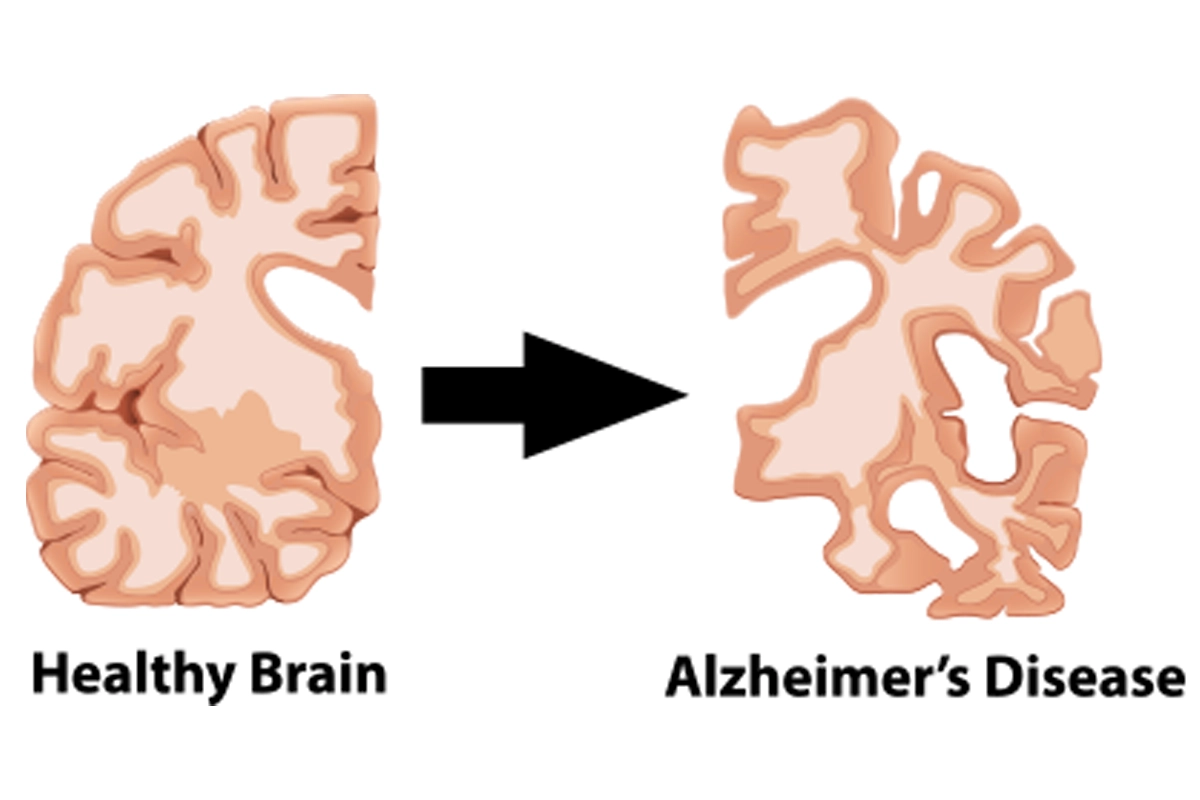
What is Alzheimer’s disease?
Alzheimer’s disease is a brain condition that damages the brain cells slowly.
It damages the parts of the brain responsible for thinking, remembering, and carrying out normal day-to-day tasks. This disease is the most common cause of dementia. To understand Alzheimer’s, it’s important to understand dementia. Dementia affects the cognitive abilities and presents with the symptoms of memory loss, lack of reasoning, and inability to perform everyday tasks. Number of evidence have proved that the most prevalent type of dementia is Alzheimer’s disease (AD). It accounts for at least two-thirds of cases in individuals aged 65 and older. The statistical data in 2022 by the Centers for Disease Control and Prevention (CDC) has revealed that Alzheimer’s disease is the seventh leading cause of death in the United States.
The History of Alzheimer’s Discovery
The disease is known as Alzheimer’s, as it was discovered by Dr. Alois Alzheimer in the year 1906. The story is that once there was a woman with unusual symptoms like memory loss, difficulty speaking, and unpredictable behavior. When she passed away, Dr. Alois Alzheimer was trying to make sense by studying her brain. During the examination, he noticed something unusual about the normal brain anatomy. He discovered tiny clumps and tangles inside the brain tissue. These are now called amyloid plaques and tau tangles, respectively. These structures are considered the key features of Alzheimer’s disease. These changes disrupt the way brain cells, or neurons, connect and communicate with each other. When the connection between brain cells is disrupted, it becomes difficult to send a message within the cells to propagate.

Alzheimer’s disease Causes
The exact cause or a particular reason that leads to Alzheimer’s disease is still not known. There are multiple factors, such as age, genetics, daily lifestyle, and overall health, that adversely affect the brain.
Age is the biggest risk factor. Most people with Alzheimer’s are 65 or older, and the risk keeps rising as we age. In fact, about one in 13 people between 65 and 84, and one in three over 85, live with Alzheimer’s. Researchers are still trying to unfold why age plays such a big role in Alzheimer’s. Age-related brain changes, such as inflammation, brain shrinkage, and damage to blood vessels, can impair brain cells over time. Genetics also plays an important role. You are at greater risk of disease if your parent or siblings have Alzheimer’s. However, genes alone will not determine your future. Many people with no family history still develop the disease.
Health and lifestyle are some of the important factors that go beyond genetics.
Health conditions such as heart disease, diabetes, and high blood pressure may lead to brain damage. Wrong habits such as smoking, poor diet, lack of sleep, and social isolation are also risk factors.
While some factors can’t be changed, living a healthy, active, and socially connected life can help protect your brain as you age.

Signs and symptoms of Alzheimer’s disease
The symptoms of Alzheimer’s disease are:
- Memory loss that disrupts daily life (forgetting recently learned information, asking the same questions repeatedly)
- Difficulty in planning or solving problems (difficulty managing finances, following a recipe)
- Trouble completing familiar tasks (driving somewhere new, using household appliances)
- Confusion with time or place: losing track of dates, seasons, or where they are
- Difficulty understanding visual images or spatial relationships (for example, judging distance, reading)
- New problems with words in speaking or writing; reduced vocabulary or trouble following conversations
- Misplacing things and losing the ability to retrace steps; sometimes accusing others of theft
- Changes in mood and personality: increasing anxiety, confusion, depression, withdrawal from social activities.

What’s the Difference between Dementia and Alzheimer’s disease?
Understanding the difference between dementia and Alzheimer’s disease is more important than most people realize. These terms are often used interchangeably, but they don’t mean the same thing. Knowing how they differ can make a big difference in how families approach care, treatment, and emotional support.
Think of dementia as a general term; it describes a group of symptoms that affect memory, thinking, and social abilities. Alzheimer’s disease, on the other hand, is one specific cause of dementia; in fact, it’s the most common one. When families mix up the two, it can lead to confusion, delayed diagnosis, or even missed opportunities for early intervention.
By understanding the difference, caregivers and loved ones can better recognize early signs, seek the right professional support, and prepare for what’s ahead. It also helps reduce fear and stigma around memory loss, reminding us that these conditions are medical, not moral, and that help is available.

Diagnosing Alzheimer’s disease
Recently, there is no single test to diagnose if a person has Alzheimer’s disease. Assessment is always conducted by a mental health expert. Investigations include the following:
- A detailed medical history and physical examination
- Lab tests
- A psychiatric assessment
- Memory and thinking tests
- Scans
With the advent of new technological advancements, Alzheimer’s disease can be diagnosed even before the symptoms begin.

Alzheimer’s Effect on the Brain
In Alzheimer’s disease, brain cells are damaged. This leads to loss of memory, confusion, and changes in behavior. It begins when abnormal proteins are developed in the brain in the form of amyloid plaques and tau tangles. These abnormal proteins disrupt how brain cells communicate. This disruption affects the areas responsible for memory, reasoning, and emotion. With the progression of the disease, most people experience signs and symptoms like anxiety, irritability, or even depression.
At Mid Cities Psychiatry, we understand that emotional changes are equally as challenging as cognitive impairment.
Our team focuses on providing compassionate mental health support, stress management for patients and families, and adaptability to changes. They also help patients maintain emotional well-being through every stage of the disease.
It is important to recognize early symptoms and how these changes unfold inside the brain. As it ensures that patients can seek the right support and care timely manner.
For better understanding, let’s have a look at the table below that shows how Alzheimer’s affects the brain.
Stage in the Brain | What Happens | Visible Effects |
| 1. Build-up of abnormal proteins begins | Abnormal proteins (amyloid plaques and tau tangles) start to form between and inside brain cells. | Here, no obvious symptoms appear, but small memory lapses may appear. |
| 2. Damage to Memory Centers | The hippocampus, the brain region that is responsible for memory and learning, starts to shrink. | Signs like frequent forgetfulness, repeating questions, and losing track of time. |
| 3. Communication Disruptions | Things get harder as nerve cells lose their connection. | Difficulty finding words, also difficulty in finding conversations and making any decisions |
| 4. Emotional and Behavioral Changes | Damage occurs in the brain region that controls emotions and behavior. | Signs and Symptoms like Mood swings, anxiety, frustration, or withdrawal from social life. |
| 5. Widespread Brain Impact | Brain tissue continues to shrink, and most areas are affected. | Severe confusion, loss of mobility, dependence on full-time care. |

Caring for a Loved One with Alzheimer’s: Finding Strength and Support
It is rewarding to care for someone with Alzheimer’s. However, it also comes with significant physical, emotional, and financial challenges.
It can be very overwhelming for caregivers when it comes to day-to-day efforts, changing family roles, and time to take tough decisions. At Mid Cities Clinic, we recognise how these challenges affect both the patient and their families. This is where we step in to provide them with compassion and professional support.
One of the first steps to coping with such a situation is to become well aware of the disease. It is crucial to understand the stages of Alzheimer’s and learn the strategies to manage difficult behaviors. This process will make caregiving less stressful and more meaningful. This is the reason why Mid Cities Psychiatry not only provides care but also encourages families to seek education and emotional support early on.
A good coping mechanism, a strong support system, and much needed breaks for caregivers can make a big difference. To improve emotional resilience and overall well-being, even simple steps like physical activity can be beneficial.
Support groups become a lifeline for many caregivers. These groups are made for caregivers to provide them with a safe space to share experiences. They can also learn from each other and receive comfort and guidelines from people who are going through similar experiences. Mid Cities Psychiatry can connect you with both in-person and online support networks designed for caregivers and families navigating Alzheimer’s together — because no one should face this journey alone.
Frequently Asked Questions
Currently, there is no proven way to prevent this disease. Although doctors suggest that lifestyle changes, like staying physically active, connected in your social circle, and eating a healthy diet, can reduce the risk.
The progression pattern varies from person to person. There are some people who may experience a gradual decline over 8-10 years, while others progress faster. Therefore, it is advised to go for early detection and seek mental health support for a good quality of life.
As we discussed, there is no complete cure. To manage symptoms and slow down the progression, some medications and therapies are suggested. Our team at Mid Cities clinic offers the best mental health treatment, therapies, and other services.
When you feel that small things like daily tasks or activities, or the mental well-being of your loved one with Alzheimer’s, become difficult to manage, then is time to seek professional care and support.
Conclusion
Alzheimer’s disease can feel frustrating, not only for the person living with it but also for their loved ones. Understanding the signs early, learning how it affects the brain, and knowing where to seek professional help can make all the difference.
At Mid Cities Psychiatry, our team believes that no one should face Alzheimer’s alone. Our team offers compassionate mental health consultations, caregiver counselling, and emotional support programs to guide families through every stage of the condition. Always remember that in challenging times, diagnosis and the right emotional care can bring comfort, clarity, and connection. So don’t delay, reach out to Mid Cities Psychiatry today for better mental health services.
Revision History
Author

Dr. Sacha Cohen
Medical & Clinical Educator
Dr. Sacha Cohen is a healthcare professional and medical content writer with experience in clinical training and academic writing. She specializes in creating research-based, accessible healthcare content. With a foundation in medical education and hands-on clinical practice, she brings depth and clarity to every piece she writes. Passionate about making medical knowledge understandable, she aims to educate and inspire her readers.

Dr. Kazi, Seema
Dr Seema Kazi is a board-certified psychiatrist and a proficient Medical Director of Mid Cities Psychiatry at Euless, Texas.
Fact Checker

Dr. Seema Kazi
Founder & Medical Director
Dr. Seema Kazi is the compassionate force behind Mid Cities Psychiatry, where her vision has shaped a practice rooted in empathy, excellence, and patient-centered care. As a triple board-certified psychiatrist in Psychiatry, Geriatric Psychiatry, and Internal Medicine, Dr. Kazi brings over 20 years of clinical experience to her leadership role.