Understanding Teen Anxiety: Signs, Symptoms, and How to Help


Watching your teen struggle with fear, worry, or intense emotions can be heartbreaking. The transition from childhood to adolescence is a natural phase, but it can bring challenges for some teens, and in some cases, these changes may trigger anxiety that goes far beyond normal mood swings. Teen anxiety is marked by persistent and overwhelming worry that can affect academics, friendships, and overall quality of life. Unlike everyday stress, which is usually temporary, anxiety in teens is prolonged and excessive. If left untreated, it may lead to avoidance behaviors, social withdrawal, and declining school performance. Recognizing the signs and offering the right support from parents, caregivers, and educators can help teens navigate these difficult emotions and build resilience.
Teen anxiety is a growing struggle among adolescents, and many parents find it difficult to identify. This blog offers in-depth insights into teen anxiety, its causes and triggers, and the ways parents and educators can provide early support. For a broader perspective on adolescent well-being, explore our pillar blog on Mental Health in Teens, which covers the full spectrum of challenges and strategies to support teen mental health.
Table of Contents

Causes and Triggers of Anxiety in Teenagers
Teenage anxiety often develops from a mix of factors. These include majorly biological, environmental, and social influences. As the teen brain is still developing, they are more sensitive to stress and can easily feel emotionally overwhelmed. Key causes of teen anxiety can be:
- A family history of anxiety or mental health issues predisposes a teen to the development of anxiety.
- Hormonal changes during puberty cause them to express more emotional reactions.
- Poor sleep quality due to sleeping late and waking up early.
- Excessive screen time can also trigger anxiety symptoms in teens.
- Heavy coursework and a competitive environment at schools are among the biggest contributors to teen anxiety. Additionally, the pressure to perform well also acts as a stressor.
- Teens who spend excessive time on social media go through feelings of comparison. This practice might lower their self-esteem and confidence, provoking anxiety symptoms.
Comparing Anxiety Patterns in Teen Boys and Girls
Anxiety affects both genders. But when it comes to comparing teen anxiety symptoms in boys and girls, there is a significant difference. With a fear of misjudgement or shame around mental health, teens may hide their anxiety.
Anxiety patterns in teen boys
Boys often show externalised behaviours when we observe anxiety patterns in teen boys. They express worry and discomfort through masked behaviours , such as:
- Irritability
- Aggression
- Anger outbursts
- Oppositional behavior
- Show social withdrawal
- Becoming overly competitive
- Excessive engagement in gaming
- Substance use or self-medication
- Decline in academic performance
- Physical complaints like headache or muscle tension without any medical cause
Boys express the above symptoms of teen anxiety as a means to cope with underlying feelings of unease. Parents and educators may often mistake it for conduct issues and defiance. It is important to identify and address issues early, as it prevents misdiagnosis.
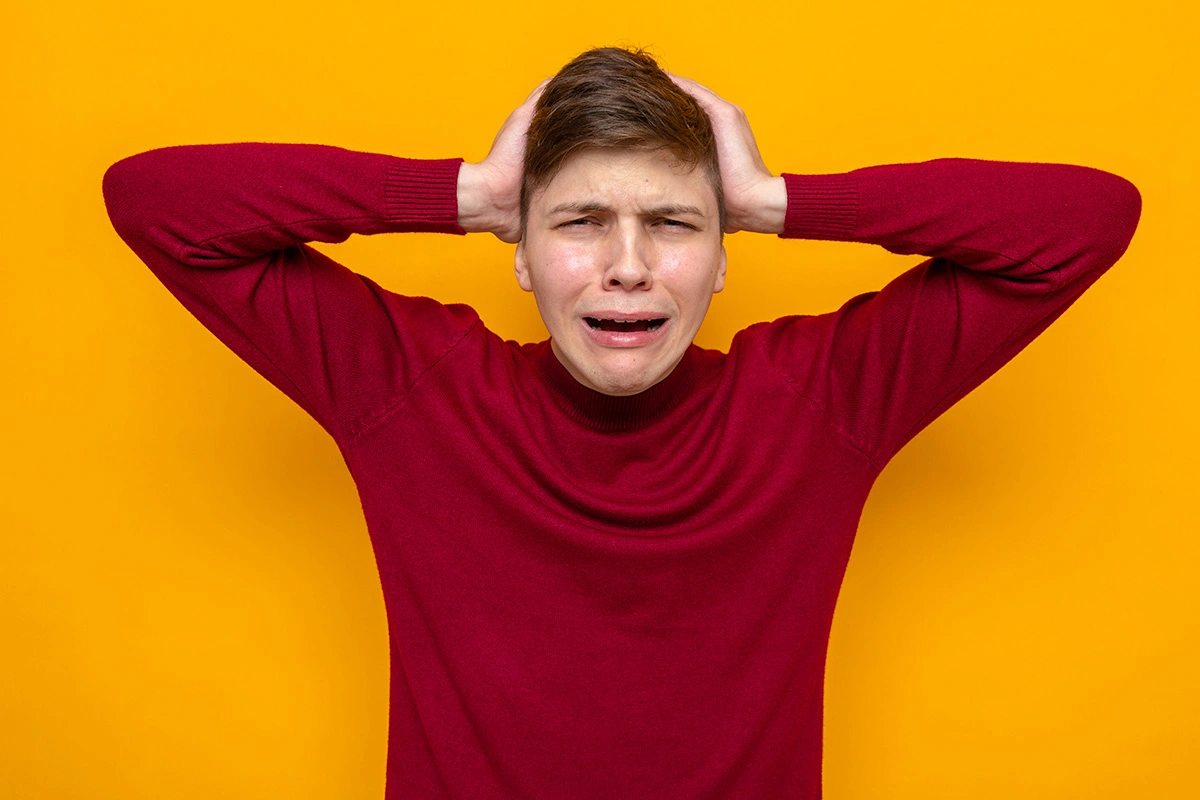

Anxiety patterns in teen girls
Anxiety in teenage girl symptoms are often internalised, but their emotional displays speak openly about it. Girls find comfort as they express feelings of sadness, worry, and fear. It is important to understand how anxiety patterns in teen girls can be identified.
Common anxiety in teenage girl includes:
- Overthinking
- Perfectionism
- Frequent crying
- Fear of judgment
- Difficulty relaxing
- Heightened sensitivity
- Physical symptoms (stomachaches, headaches, sleep issues)
Social pressure and the need to meet appearance expectations may worsen anxiety. These symptoms of anxiety in teen girls often align closely with classic Generalized Anxiety Disorder.
Parental and School-Based Support Strategies
It is important to provide a supportive environment for high school students , who are struggling with anxiety. Either at home or in school, the first thing to do is to validate teens’ feelings. Instead of telling your teen “stop worrying and do your work”, using sentences like” I can see, you are worried about the presentation, let’s discuss it”, works better. Never dismiss their feelings as it only worsens situations for teens with anxiety. The key is to build trust with open communication.
Parents must first learn to manage their own emotions. It is also important to consider how they respond to their child’s anxiety. Established routines with consistent sleep schedules to manage teen mental health work very well. A home where teens feel encouraged for emotional expression acts as a foundational support strategy. Moreover, parents must also learn to manage their own reactions to
Schools, on the other hand, can also play big role in supporting teenage anxiety. They must establish a school culture that values effort over perfection. This significantly reduces academic stress. Teachers can also make small, manageable adjustments. Allowing students to take tests in a less stimulating environment or to take regular breaks from work should be incorporated.


Building Resilience and Emotional Strength in Teens
- Journaling to track anxiety triggers: Help teens track their emotional triggers and work on identification and management.
- Mindfulness routines: Help the teen to anchor themselves in the present moment
Social support also strengthens resilience. Teens benefit greatly from:
- Healthy Friendships: Positive peer relations reduce stress in teens. Healthy friendships serve as a safe emotional space for many teens. When they feel understood and accepted, they communicate openly about their feelings. When peers encourage good decisions, coping skills in teens strengthen. Hence, helping them handle conflicts constructively and build emotional resilience.
- Mentorship: When teens get guidance from a trustworthy mentor during stressful situations, they feel confident. A mentor works as an anchor during confusing phases of life.
- Extracurricular Engagement: School sports club, community activities or any volunteer work allows teens to improve their confidence. It also develops cognitive strength and builds a sense of belonging. These engagements help overcome feelings of isolation. Thereby play a supportive role in building motional health in teens.
- Creative expression: Taking part in art, music, writing, dance, or crafting help teens process emotions in healthier ways. When done regularly these activitiesboost mood and help gain emotional clarity.
- Resilience helps teens handle stress more effectively and reduce the intensity of teenage anxiety. Encouraging independence through small challenges helps teens build confidence. Over time, they develop stronger internal coping skills, reducing the long-term impact of anxiety in teens.
Professional Help and Treatment Options for Teenagers with Anxiety
Professional help in teen anxiety becomes unavoidable when it starts to interfere daily functions. Additionally, it is important to consider when parental support and environmental adjustments fail to bring about change. Here are signs to consider and seek professional intervention when:
- Anxiety in your teen spans weeks and months.
- Anxiety in teens leads to self-harming behaviours or substance use.
- Teens show worsened physical or emotional symptoms like panic attacks, severe sleep problems, isolation and depression.

Parents should make sure to get in touch with qualified and expert therapists to help their teen cope with anxiety better. One of the effective treatments for anxiety symptoms in teens is Cognitive Behavioural Therapy (CBT). The focus of CBT is to change the thought patterns and behaviours that lead to anxiety symptoms in teens. Another treatment option includes dialectical behavioral therapy, a well-structured form of talk therapy for mental health issues, before moving to medication treatment. Along with other options, family psychotherapy is an option for parents to avail themselves to help their teens as well as themselves to overcome challenging times in teen anxiety.
Therapy works on key areas of mindfulness, distress tolerance, emotion regulation, and interpersonal effectiveness. Furthermore, it equips teens to manage their anxious feelings. In some severe cases, where therapy options fail to give fruitful results, antidepressant medicines combined with therapy are used to manage symptoms. Intervention in the early stages prevents the progression of anxiety in teenagers and helps teens regain emotional balance.
Frequently Asked Questions
Yes. The use of social media leaves the teen with a constant sense of comparison with many other teens. The urge to keep checking social apps and getting notifications again and again leads to excessive use. This may also cause sleeplessness. Studies suggest that excessive use of social media is directly linked to rising anxiety in teens.
Definitely, high expectations to perform well, rising competition among school students, and heavy workloads in academics are leading causes of anxiety in teens. The fear of failure and inability to fulfill expectations in academic performance is another factor that contributes to the development of constant worry in students, hence leading to anxiety.
Balance diet and exercising regularly, are always helpful for physical health as well as mental health. Healthy meals and low processed foods supports gut and brain health in better way, which in results improves overall emotional regulation.
Conclusion
Anxiety in teenagers stems from a cluster of challenges, the changing bodies, deep emotional challenges, and academic pressures. Furthermore, the concern is that how others perceive them influences their mental health. It is important to respond to teen anxiety with empathy rather than judgment. Being a parent or care giver, it’s your responsibility to identify behavioral changes timely. If you notice any sign of anxiety or stress in your teen, seek help from mental health experts at Mid cities Psychiatry. Here, our compassionate team provides mental health support to parents, caregivers and teens. Don’t delay help, reach out today.
Revision History
Author

Dr. Sacha Cohen
Medical & Clinical Educator
Dr. Sacha Cohen is a healthcare professional and medical content writer with experience in clinical training and academic writing. She specializes in creating research-based, accessible healthcare content. With a foundation in medical education and hands-on clinical practice, she brings depth and clarity to every piece she writes. Passionate about making medical knowledge understandable, she aims to educate and inspire her readers.

Dr. Kazi, Seema
Dr Seema Kazi is a board-certified psychiatrist and a proficient Medical Director of Mid Cities Psychiatry at Euless, Texas.
Fact Checker

Dr. Seema Kazi
Founder & Medical Director
Dr. Seema Kazi is the compassionate force behind Mid Cities Psychiatry, where her vision has shaped a practice rooted in empathy, excellence, and patient-centered care. As a triple board-certified psychiatrist in Psychiatry, Geriatric Psychiatry, and Internal Medicine, Dr. Kazi brings over 20 years of clinical experience to her leadership role.