Caregiver Burnout: A Comprehensive Guide to Prevention and Management


Caregiver burnout is a common condition that affects the informal caregivers of patients with chronic, debilitating healthcare conditions like dementia, cancer, paralysis, and many more. Although a common, healthcare conditions but not well- talked about.
Caregiver burnout affects the physical, emotional, mental, financial, and social life of the caregiver. It often leads lead to depression, anxiety, and constant guilt. It is a serious condition and must be addressed by understanding the early signs and symptoms for effective treatment.
If you are fulfilling the role of a caregiver and experiencing signs like constant tiredness, emotional exhaustion, anxiety, and mental stress, then you might be experiencing with caregiver syndrome. In this article we share for you the management, prevention, and effective caregiver burnout treatment facility in Euless.
Table of Contents

Signs of Caregiver Burnout: Symptoms and Early Warning Signs
Identifying the signs of caregiver burnout early and then consulting a mental health care provider for caregiver syndrome treatment is important for effective management. Caregiver burnout affects multiple dimensions of health. It’s signs and symptoms show up as physical, emotional, and social impact. Caregiver burnout significantly affects the mental health of the caregiver. In many cases it increases the risk of developing mood disorders in caregivers.
The following are the key caregiver burnout symptoms.
- Emotional and physical exhaustion.
- Withdrawal from friends, family, and other loved ones.
- Loss of interest in activities previously enjoyed.
- Feeling hopeless and helpless.
- Changes in appetite and/or weight.
- Changes in sleep patterns.
- Unable to concentrate.
- Getting sick more often.
- Irritability, frustration, or anger toward others.
- Headaches, muscle pain, or digestive issues.
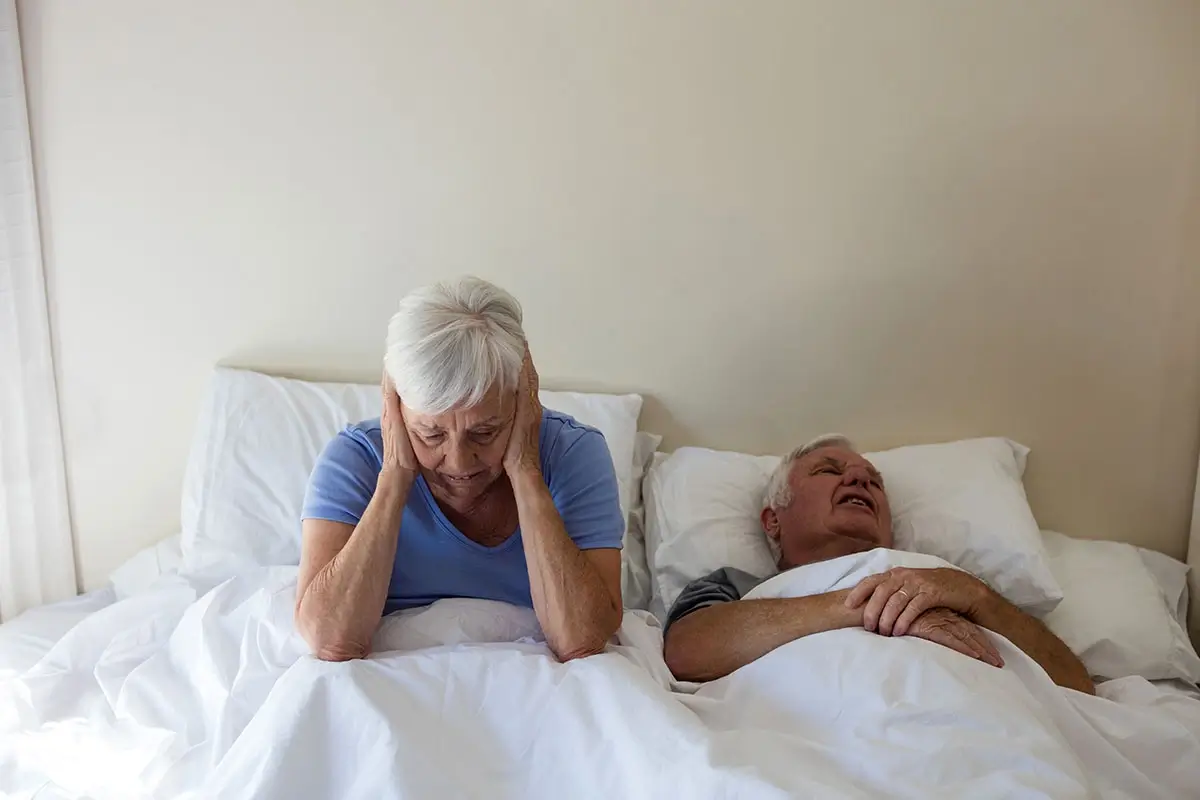
Caregiver Syndrome and Its Impact on Health
Caregiver syndrome is also known as caregiver stress. It impacts the health of the caregiver in numerous ways. The condition is often overlooked and thus can lead to serious complications. The informal caregiver can experience unconscious babbling, exhaustion, anger, and guilt due to difficulties posed by the patient in the form of fecal incontinence, aggression, sleep disturbance, wandering, and memory loss.
The caregiver stress can be expressed in the form of fatigue, gastrointestinal complaints, insomnia, and depression and in many instances mood disorders. It can also impact physical health, manifesting as high blood pressure, diabetes, a compromised immune system, and a shorter life expectancy.
Caregiver syndrome not only affects physical, emotional, and mental well-being, but it also impacts the financial and social aspects of life.

Causes of Caregiver Syndrome
Caregiver stress can be primarily caused by looking after a chronically ill patient for a long time. It can be triggered by one of the following factors.
Responsibilities: Work overload and relentless responsibilities, including managing house chores, daily tasks, medications, hygiene, transportation, and scheduling medical appointments.
Mental Fatigue: Emotional burnout can be caused by constant long-term care. The suffering and mental fatigue can lead to emotional exhaustion.
Physical Challenges: Physical toll on the caregiver as a result of physical demands like lifting, bathing, and chronic sleep deprivation leads to caregiver burnout.
Loneliness: Caregivers may feel isolated due to a lack of support from family and friends. The symptoms can also intensify due to a lack of access to professional help because of financial concerns.
Balancing Responsibilities: The caregiver can slip into caregiver depression when they go through the struggles of balancing the patient responsibilities and their other relationships, like a child or a spouse. This leads to a deep feeling of guilt for not doing enough.
Unrealistic Expectations: They might also face caregiver depression when they develop unrealistic expectations related to the recovery of the patient and face immense disappointment and hopelessness when these expectations are not met.
Financial Stress: Financial burden due to high medical costs, missed work, and limited monetary funds can pile up the stress and lead to caregiver stress.
Ignoring Self-Care: An informal caregiver is highly susceptible to ignoring their own health and prioritizing the patient’s health over their own. This might lead to poor health, fatigue, and physical exhaustion.

Role of Caregiver Stress in Burnout
Caregiver stress is the primary driving force that leads to burnout. Caregiving is challenging and a demanding task that is often long-term. Caregiver can be physical, financial, or emotional. These daily unmanaged episodes of stress can compound and lead to feeling done or burnout.
Caregiver stress can cause anxiety, depression, irritability, headaches, and significant sleep disturbances.



Identifying and Addressing Caretaker Fatigue

Managing Through Caregiver Burnout Resources
The key caregiver burnout resources are discussed below.
Respite Care
You should seek help from respite care to give yourself a break. The respite care includes in-home nursing services, adult daycare centers, and short-term nursing homes. All these services are focused on helping caregivers manage their caregiver burnout symptoms.
Support Groups
You can join community centers and social media groups of people struggling with similar issues. These groups are an excellent source of emotional support, empathy, compassion, provision of educational resources, and peer support.
Professional Counselling
Educational Tools
Include books on tips about caregiving and managing caregiver stress, seminars, webinars, and workshops by the experts.

Preventing and Managing Family Caregiver Burnout
- Setting clear boundaries and saying “no” to extra tasks and responsibilities is essential to prevent caretaker burnout in the long run.
- You must prioritize your self-care. It includes adequate sleep, a healthy diet, and hobbies that bring joy.
- Another important thing is to plan and stay organized. It allows you to stay focused and manage tasks effectively without last-minute anxiety.
- You can manage caregiver stress by deep breathing exercises, meditation, or journaling.
The above strategies will help you ease or even eliminate the symptoms of caregiver burnout syndrome in the future. However, if you are already struggling with caregiver burnout signs, then the following strategies can help you get relief from symptoms.
- Look for help from support groups, community centers, mental health, and healthcare providers.
- Delegate tasks to friends, family, neighbors, or in-home nursing care.
- Use respite or alternative caregiving facilities for short breaks to avoid exhaustion.
- Opt for professional counselling to release the emotional buildup.
- Do not neglect the early caregiver burnout signs and seek professional help. The signs of caregiver stress include irritability, fatigue, depression, and social withdrawal.

Effective caregiver Burnout treatment in Euless
If you are located in or near Euless, Texas, and are looking for a trusted and board-certified treatment facility, then I have the perfect recommendation for you. Mid Cities Psychiatry is a mental healthcare facility that is approved by the Joint Commission. We have a team of experts, including therapists, psychiatrists, physician assistants, and nurse practitioners, who carefully evaluate each patient and design a customized treatment plan according to their requirements and needs.
At Mid Cities Psychiatry, we have a patient-first approach, and we offer evidence-based care in a compassionate and empathetic environment. Our mental health clinic provides effective and efficient treatment for caregiver syndrome through advanced technology and a holistic approach.
Caregiver Fatigue FAQ's
You can manage caregiver fatigue effectively by a combination of self-care, external help, and setting boundaries. The most effective treatments include using respite care for a short break, delegating tasks to other family members, getting adequate sleep, a proper diet, and seeking professional help.
Some of the most common strategies to reduce caregiver stress are listed below.
- Arrange relief care, including a family member, in-home nurse, adult daycare centers, or short-term nursing homes.
- Ask friends and family for help and give yourself a break.
- Take out a few minutes for yourself each day. You can use these to enjoy your favorite activities, get a spa, relax on the sofa, nap, or even sip a coffee peacefully.
- Do exercise and meditation.
- Seek professional counselling.
- Organize your tasks and daily chores.
Yes, caregiver burnout can lead to severe long-term physical and mental health issues if left untreated. They include chronic conditions like heart disease, diabetes, hypertension, and a weakened immune system. It can also lead to depression, anxiety, chronic fatigue, and cognitive issues like memory loss.
The key treatments for caregiver burnout include professional counselling, respite or relief care, taking breaks, practicing mindfulness, planning and staying organized, and education and training.
Final Words About Caregiver Fatigue
In short, caregiver fatigue is a condition that is very common but mostly neglected. It is often overlooked as fatigue and exhaustion. However, it must be understood that if it is left unaddressed, then it can lead to severe mental and physical complications.
Caregiver burnout syndrome is characterized by symptoms including physical and emotional exhaustion, extreme fatigue, constant depression, and anxiety and mood disorder. In any instance if you are a caregiver and going through any of these symptoms, you must consult a mental health care provider to seek proper diagnosis and treatment.
Mid Cities Psychiatry offers compassionate treatment for caretaker syndrome in an empathetic environment, where you can trust our experts who will help you manage your caretaker syndrome before it progresses to a severe and complicated health condition.
Book your consultation today with our expert team and break free from the deep emotional despair.
Revision History
Author

Dr. Sacha Cohen
Medical & Clinical Educator
Dr. Sacha Cohen is a healthcare professional and medical content writer with experience in clinical training and academic writing. She specializes in creating research-based, accessible healthcare content. With a foundation in medical education and hands-on clinical practice, she brings depth and clarity to every piece she writes. Passionate about making medical knowledge understandable, she aims to educate and inspire her readers.

Dr. Kazi, Seema
Dr Seema Kazi is a board-certified psychiatrist and a proficient Medical Director of Mid Cities Psychiatry at Euless, Texas.
Fact Checker

Dr. Seema Kazi
Founder & Medical Director
Dr. Seema Kazi is the compassionate force behind Mid Cities Psychiatry, where her vision has shaped a practice rooted in empathy, excellence, and patient-centered care. As a triple board-certified psychiatrist in Psychiatry, Geriatric Psychiatry, and Internal Medicine, Dr. Kazi brings over 20 years of clinical experience to her leadership role.