CNS Depression: Clinical Overview, Symptoms, Causes, and Treatment


Table of Contents
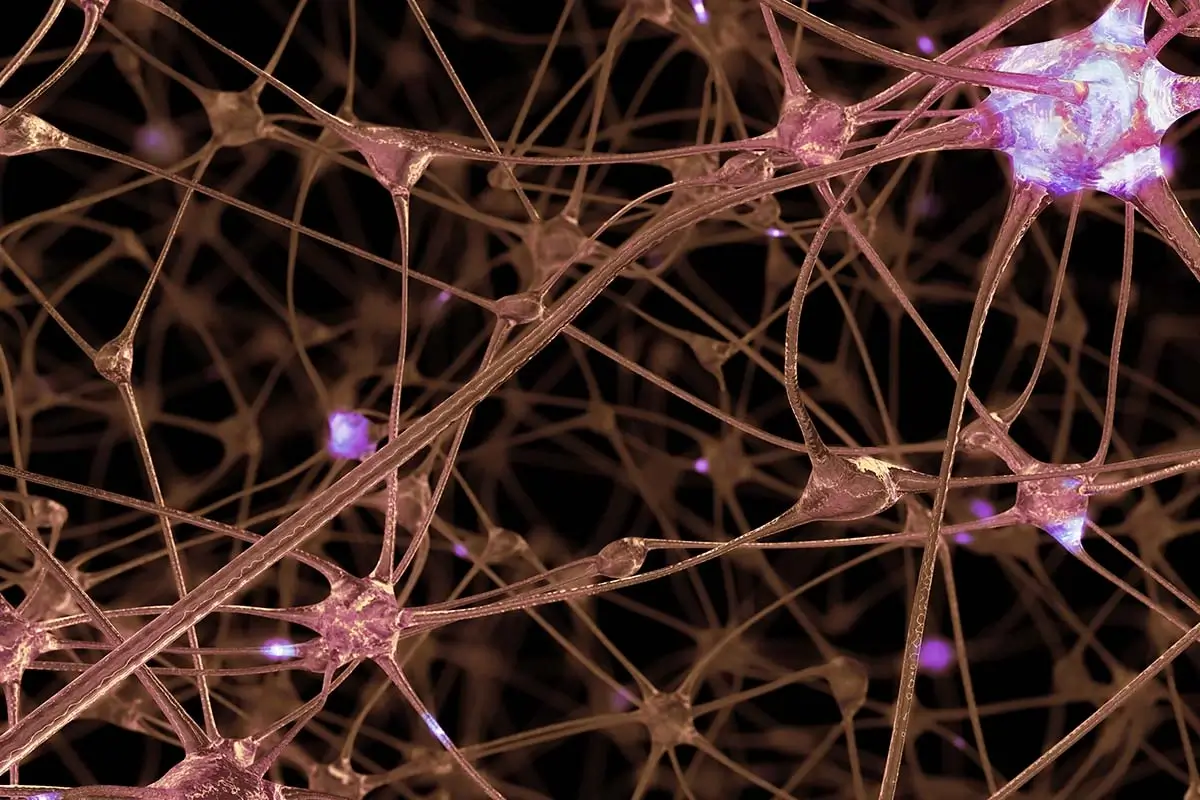
CNS Depressants and Their Mechanisms of Action
CNS depressants are drugs that slow down the activity of brain. They reduce the overall functions of the nervous system. CNS depressants include substances such as:
- Alcohol
- Barbiturates
- Benzodiazepines
- Opioids and certain sleep medications.
Most of the CNS depressants work by increasing the effect of gamma aminobutyric acid (GABA) which is a major inhibitory neurotransmitter in the brain. GABA slows down the neural cell activity, CNS depressants enhance the action of GABA. As a result, the neurons fire less, slowing down the brain activity and a reduction in excitatory neurotransmitters. Some CNS depressants also lower the activities of excitatory neurotransmitters like glutamate, that further slows down neuronal transmission.
Common CNS depressants examples include:
- Alcohol: The most common CNS depressant, enhances GABA effects while inhibiting glutamate (an excitatory neurotransmitter).
- Opioids: Drugs like oxycodone, morphine, and heroin bind to opioid receptors in the brain, which can significantly suppress the respiratory centre.
- Benzodiazepines & Barbiturates: Often prescribed for social anxiety or mood disorders, these drugs are powerful sedatives.
- Sleep Medications: Non-benzodiazepine “Z-drugs” (like zolpidem) target GABA receptors to treat sleep disorders
These above-mentioned drugs are used in clinical practice to treat and control symptoms of anxiety, insomnia, seizures and pain. However, the tendency to take excessive doses or misuse can lead to substance abuse, greatly impairing brain and body function.
Additionally, CNS depressant effects may range from mild to severe. At low and therapeutic doses individual experiences muscle relaxation, calmness and drowsiness. If the dose is increased CNS depression becomes more pronounced and may lead to confusion, poor coordination, slurred speech and slowed down reflexes. Higher than recommended doses or using combination of CNS depressants without medical advice can also lead to respiratory depression, low blood pressure, decreased heart rate, unconsciousness, even coma or death.

Common Causes of CNS Depression
The main cause of CNS depression is often based on a pharmacological background. The use of central nervous system depressants that include alcohol, benzodiazepines, opioids and barbiturates. Other causes may include:
Metabolic disorders
- Kidney failure and electrolytic imbalance.
- Hypoglycaemia, low blood sugar leading to confusion and reduced brain function.
- Hepatic encephalopathy (build of toxins due to liver disease) and Liver failure affecting consciousness level.
Medical Conditions
- Stroke
- Brain injury
Environmental factors
Stress, anxiety, depression and sleep disorders causing a person to take sleeping pills without medical advice and increase the dose leading to sedation and CNS depression.
Substance Abuse or misuse
Over use of alcohol or taking it with anti-anxiety medication.
Age factor
Older population may become excessively drowsy even with normal dose of certain medications due to slower drug metabolism and brain sensitivity.
Underlying Health Issues
Chronic lung disease, heart disease and liver or kidney disease. Taking multiple prescriptions may cause drug accumulation and CNS depression.
Certain drug Interaction, prescription errors and concurrent use of multiple CNS Depressants can greatly increase the risk of CNS depression or death. To list down short the causes of CNS depression are many varying from intentional pharmaceutical intervention to traumatic environmental factors.

Symptoms of CNS Depression
CNS depression symptoms are seen in individuals when their brain activity slows and the neuronal signal is suppressed. The most observable central nervous system depression symptoms are:
- Drowsiness
- Slowed thinking
- Impaired judgment
- Reduced coordination
- Delayed reaction time.
The symptoms in early stages are often fatigue and dizziness. They are usually subtle and may progress to a worsening and life threatening condition if not addressed timely.
When nervous system depression worsens the following symptoms can be observed:
- Slow reflexes
- Balance issues
- Difficulty in speech
- Cognitive issues like confusion and disorientation to environment may also occur.
The CNS effects are not limited to decreased brain activity. They may also show up in many physiological functions such as:
- Slowed breathing
- Decreased heart rate
- Reduced blood pressure
- Lowered body temperature.
These signs of CNS depression point toward involvement of brain stem which is the regulatory centre for most of the main and regulatory body functions. Its either due to over use central nervous system depressants or other medical conditions, CNS depression should be promptly treated to avoid worsening of CNS depression symptoms.

Central Nervous System Depressants in Clinical Practice
In clinical practice central nervous system depressants are important for managing a variety of conditions like stress and anxiety, sleep disorders, mood disorders and depression. Physician often prescribe CNS depressants like benzodiazepines and sedatives to help a person stabilize their overactive nervous system. However, the administration of central nervous system depressants to improve sleep quality and reduce anxiety should be rigorously monitored to avoid CNS depression signs and symptoms.
Medical professionals are skilled and can easily identify early signs of CNS depression. They should educate patient on the CNS depressant side effects to ensure that these medications ensure a safe and effective use with a minimal chance of accident or overdose.

Central Nervous System Depression Symptoms by Severity
When assessing symptoms the effects of nervous system depression can range from mild to severe.
Mild Symptoms
At this stages CNS depression symptoms are trivial but can be noticed. Patient appears drowsy and sedated. The reaction time is slowed. The cognitive and thinking processes slowed down, for example they may have difficulty in concentration short term memory loss. Alertness level is reduced; the patient does not respond quickly to any stimuli provided. Vital signs such as breathing and heart rate are within normal limits. so at this level life threatening complications may not occur mild CNS depression symptoms often occur due to therapeutic doses of central nervous system depressants such as sleep medications or benzo diazepines which result in temporary fatigue and dizziness
Moderate CNS Depression Symptoms
As CNS depression progresses to moderate level the patient may show more pronounced neurological and physiological symptoms. The level of confusion and disorientation heighten and become evident and affect cognitive processing. The affected individual may experience difficulty in recognizing people, places or time or which is usually termed as disorientation. Speech is affected due to impairment in motor muscles of speech. Coordination and balance are affected; patient may also experience showing ataxia (lack of muscle coordination). These symptoms may make activities like walking and handling objects difficult. Breathing becomes shallow that points towards brain stem and higher medullary respiratory centres involvement. The heart rate and blood pressure also may decrease slightly. This stage is seen in higher doses of CNS depressants or alcohol intoxication. At this point the patient requires immediate and close monitoring to avoid the progression to severe CNS depression.
Severe CNS Depression Symptoms
In severe CNS depression the symptoms are usually life threatening. The patient becomes unresponsive or may go into coma. It reflects extensive suppression of the cortical and brain stem activity. The respiratory rate is profoundly depressed. It is shallow irregular or may even show pause in breathing. This respiratory pattern can lead to hypoxia (deficiency of oxygen) in the body if not treated promptly. Additionally, Cyanosis (a blue coloration of the fingertips, skin and lips) may indicate decreased oxygenation level inside the body. The pulse rate and the blood pressure lowers showing hypotension and indicate cardiovascular compromise. Severe CNS depression is a medical emergency and may occur due to central nervous system depressants or severe brain injury. Emergency interventions such as airway support, assisted ventilation, intravenous fluids and antidote therapy is necessary to prevent death or brain damage.



Progressive Stages of CNS Depression
The clinical stages of CNS depression represent a continuum from mild sedation to deep coma. Understanding this progression helps clinicians monitor patient risk and intervene early.
- Sedation Stage – Relaxation, drowsiness, slowed cognition
- Stupor Stage – Minimal response to verbal stimuli, significant motor impairment
- Coma Stage – No response to stimuli, severe respiratory and cardiovascular suppression

CNS Depression Duration and Recovery Outlook
A very common clinical question is how long does CNS depression last? CNS depression signs and symptoms and recovery depends on several factors. It mainly includes:
- The amount of dosage
- The specific substance involved
- If multiple central nervous system depressants were used.
- The age, organ function, metabolism, health status of the affected individual.
Below is a short list of common causes and their typical recovery windows from acute to full recovery:
- Alcohol 3-4 weeks
- Opioids pain killers 4-72 hours
- Benzodiazepines 10 hours to 5 days
- Kidney or Liver Failure, CNS depression will persist until the metabolic toxins are cleared, often requiring dialysis or immediate medical stabilization.
Sedatives that have a short acting the symptoms can last for a few hours, while medications that have a long lasting action and accumulate in the liver or kidney disease may prolong CNS depression symptoms ranging from hours to even days. In cases of overdose extended monitoring and intensive care may prolong hospital stay and recovery time. Although the outlook for recovery significantly improves if the underlying cause is identified on time and the exposure is controlled. However, the episodes that lead to substance abuse or untreated sleep disorders can cause long term neurological risks.

Diagnosis and Clinical Evaluation of CNS Depression
The clinical evaluation of CNS depression starts with a complete physical examination and a thorough review of the patient’s medical history. The Dr may initially look for hallmark signs of CNS depression like:
- Slow reflexes (Response to stimuli)
- Depressed vital signs (Pulse, heart and respiration rate)
- Pinpoint pupils constricted pupils that do not respond to light
Best course of action is provided by identifying the exact cause CNS depressant involved. In addition to physical examination to evaluate the severity of nervous system depression Glasgow Coma Scale is used. It is a tool that helps to quantify the level of consciousness and sensory response in patients.
Other diagnostic procedure may include:
- Imaging such as CT scan or MRI if stroke, trauma, or structural brain injury is suspected
- Laboratory testing (electrolytes, liver and kidney function, blood glucose, toxicology screening)

Evidence-Based Treatment for CNS Depression
Treatments for CNS depression largely depends on the underlying cause and severity. The primary aim is to reverse the factors contributing to CNS depression and stabilize airway breathing and circulation. The interventions in emergency situation include:
- Oxygen or respiratory support if needed.
- Immediate Monitoring for vitals like Pulse, heartrate and breathing.
- Administering intravenous fluids to treat hypertension or dehydration
- Discontinuation and dose adjustment of the central nervous system depressants used by patient.
- Specific antidotes for the causing agent for example Naloxene for opioid related CNS effects.

Non-Pharmacological and Long-Term Care
For individuals who are involved in substance abuse stopping the drugs used by them can be dangerous. Tapering protocols should be applied, that gradually reduced the dose of CNS depressants like phenobarbital or diazepam.
After addressing underlying cause, the management to prevent long term effect of CNS are followed:
- Cognitive Behavioral Therapy (CBT) for patient suffering from depression, stress and anxiety or sleep disorders.
- Build strong social support systems with healthy relationships to reduce the risk of relapse and long-term central nervous system depression.
Frequently Asked Questions
CNS Depression is a medical emergency and can be life threatening. Commonly caused by substance abuse or over use of CNS depressants, the symptoms of shallow breathing, lowered heart rate decreased brain activity can be dangerous and if not treated timely can lead to coma or death.
Yes, alcohol can worsen central nervous system depression as it slows down brain activity. The effect of a neurotransmitter GABA which slows down brain activity is increased with alcohol consumption resulting in slowed brain activity. Additionally, if the person is using CNS depressants it is advisable to avoid use of alcohol as it may cause life threatening complications.
Yes, CNS depression can lower breathing and heart rate. As central nervous system is the main control centre for vital functions such as cardiovascular system and respiration. When CNS depression occurs, it can slow breathing leading to labored or shallow breathing and reduce heart rate. In extreme cases it can lead dangerously low oxygen levels, unconsciousness or cardiac failure.
The duration of CNS depression depends on the severity, intensity and the cause behind it. It also may vary with factors such as age and over all health status of the affected person. The effects of alcohol usually last 2–8 hours and is more in higher consumption. Effects of Benzodiazepines may last from 6-72 hours, for opioids the time period lasts 3-48 hours.
Conclusion
CNS depression is a condition that needs urgent medical care. It is a physiological state that explains how different substances, chemicals and conditions can affect the brain. The unmonitored use of central nervous system depressants, opioids or other prescription medicines can increase tolerance and lead to substance abuse. Understanding what is CNS depression can help to raise awareness about safe use of prescription medicines.
At Mid Cities Psychiatry, we prioritize patient recovery from substance abuse and other mental health condition through proper diagnosis and immediate intervention. We ensure every patient receives treatment that is not only best suited, but is evidence-based to achieve maximum recovery outcome. Don’t carry the weight of psychological health burdens alone, contact us today to get immediate support from our therapists and start living happy and worry free.
Revision History
Author

Dr. Sacha Cohen
Medical & Clinical Educator
Dr. Sacha Cohen is a healthcare professional and medical content writer with experience in clinical training and academic writing. She specializes in creating research-based, accessible healthcare content. With a foundation in medical education and hands-on clinical practice, she brings depth and clarity to every piece she writes. Passionate about making medical knowledge understandable, she aims to educate and inspire her readers.

Dr. Kazi, Seema
Dr Seema Kazi is a board-certified psychiatrist and a proficient Medical Director of Mid Cities Psychiatry at Euless, Texas.
Fact Checker

Dr. Seema Kazi
Founder & Medical Director
Dr. Seema Kazi is the compassionate force behind Mid Cities Psychiatry, where her vision has shaped a practice rooted in empathy, excellence, and patient-centered care. As a triple board-certified psychiatrist in Psychiatry, Geriatric Psychiatry, and Internal Medicine, Dr. Kazi brings over 20 years of clinical experience to her leadership role.