Addiction is a chronic brain disease that changes brain chemicals and makes it hard for a person to quit using of substance. People think that addicted people are morally low or they don’t want to get rid of their addiction cycle; however, in reality, they get frustrated with their addiction, but without alcohol or any substance, they can’t cope with stressors. The problem of drug addiction is not that simple, and giving up requires more than a strong desire.
Addicted people talk about substance abuse as a cycle of addiction that they find themselves unable to overcome. However, the cycle of addiction is not a mere term. Almost all addictions may begin with initial use, where the body and mind feel like they need it to function. lead to dependency, then to the development of addiction, and finally, relapse.
The National Institute on Drug Abuse (NIDA) defines addiction as: An episodic recurrent illness marked by compulsive drug seeking and usage with deleterious effects.” Numerous people around the globe are suffering from addiction and continue using alcohol or drug substances even though they face their harmful effects. The researchers and mental health professionals categorize the cycle of addiction into different stages. Now, you may wonder, what is the cycle of addiction? And what are the stages of addiction? Let’s discuss in detail
Table of Contents
What is the Cycle of Addiction?
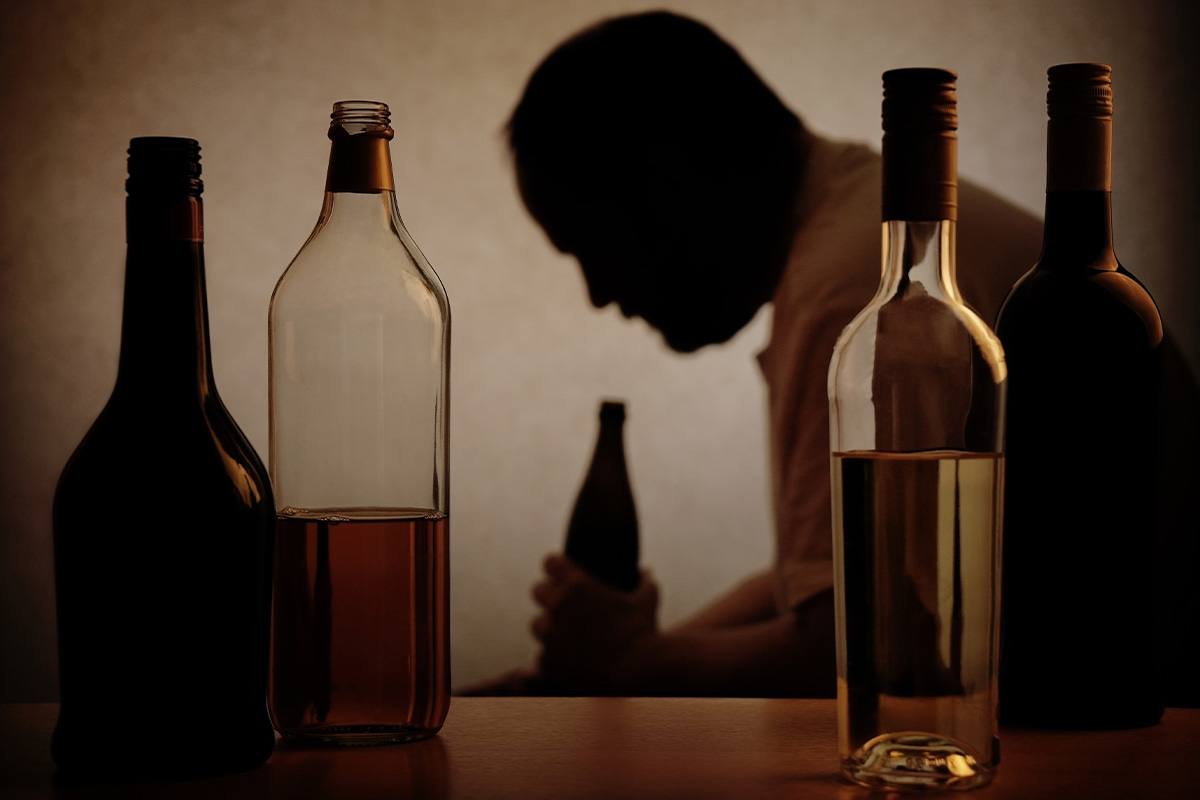
The cycle of addiction refers to the repeated pattern of alcohol or substance consumption that is triggered by stressful events, anxiety, or emotional disturbance. It is the inability to control the consumption of a substance, and the subsequent appearance of negative emotional moods in the absence of the substance. People struggling with addiction may keep using the substance, especially when they try to quit, because they face withdrawal symptoms or emotional distress. This use of substance is temporarily satisfying, but when its effects fade, it usually brings guilt, anxiety, or sadness. The brain will begin to desire the same relief, leading to continued use. With time, this cycle of addiction is difficult to break.
The addiction cycle not only influences the body but also affects the thinking process of the brain. When the individual keeps using the substance, their brain gets used to it and starts relying on it. to feel the emotions. It is the reason why people feel trapped in most cases, even when they want to stop. The cycle of addiction affects an individual physically and emotionally and makes it hard for them to recover. Early diagnosis and intervention can help professionals to control the harm and take appropriate action, and start recovery on time.
You can seek help at any stage of addiction, regardless of your location in the process. An addiction rehabilitation program can help you get to know what you must do to bring your life back from alcohol or drugs. So, in case you have negative addiction outcomes, you should consider reaching out to an addiction treatment facility because you must address some serious aspects of your life.
What Are the 5 Stages of Addiction?
The addictive cycle is the behavioral and experiential pattern that follows people with substance use disorder. It involves several phases and circumstances that sustain the addiction, and it is very hard to quit the intake of the substance. The 5 stages of addiction are important to understand to see how casual use can become a serious problem. Addiction is not a sudden thing, as it occurs in a defined course. The dependency is developed over a period since the first time a person uses a substance to the point where it takes control of their life; each stage plays a role in deepening the dependency. Knowing what the addiction stages are, individuals will be able to identify early symptoms and take measures to prevent them or their loved ones from the cycle of addiction. Let us examine each of the 5 stages of addiction closely to observe how addiction works.
Initiation (Initial Use)
The cycle of addiction starts with the first consumption of drugs or alcohol. In early phases, drugs give positive feedback. They stimulate the brain to produce neurotransmitters like dopamine, which release stress, give pleasure, and gratification. Such favorable experiences reward the brain and potentially reinforce the desire to drink more.
At this stage, the person is experimenting with drugs. They can be attempting to use a single drug or testing many types of drugs. This initial usage can occur as curiosity, social pressure, or a feeling to avoid emotional or physical pain. It may be an occasional experiment or incidental use at a party or an event. During this stage, the individual typically does not view their behavior as harmful, and there is usually little to no awareness of the risks involved. But this initial exposure causes the reward system of the brain to be aroused, which leads to the development of memory of the pleasurable effects that motivates you for repeated use, especially in painful situations.
Continued Use (Regular Use)
This is the stage where there is no longer experimenting but rather using it regularly. The mind gives the body instructions that it needs a specific compound to feel well. At this addiction stage, it is possible not even to notice any indication of an addiction development. At the given stage, the brain begins developing strong associations between substance abuse and the sensation of comfort or relief. Most individuals can even enjoy their substance abuse in their leisure time and still be able to lead a normal life. At this stage, you might be in a position to drop using the substance even in the long run without experiencing any side effects.
Risky Behavior Phase (Risky Use)
During the risky behavior stage, drug and alcohol consumption start creating impacts on the everyday life of an individual. The same relief a person used to feel earlier begins to take its toll and cause damage in the form of missing work, falling behind in school, or neglecting the family. An individual could start making bad choices, like crossing the road while drunk, practicing risky habits, or exposing themselves to substance abuse.
The relationship can be affected by behavioral problems such as unstable mood, intimate physical assault, poor judgment and inability to share, or broken trust. Despite these outcomes, the person still takes the substance. At this stage, the individual is likely to think that they are under control without realizing that they have fallen into a deeper cycle of addiction.
Dependence (Physical & Psychological Reliance)
The dependence stage starts when the body and mind start to use the substance to get back to normal. The brain has been conditioned to its existence, and now the individual just cannot feel normal without the substance. They are characterized by physiological dependence where the body relies on the substance to the state of withdrawal when deprived of the substance (shaking, sweating, irritability, nausea, or anxiety). Psychological dependence manifests itself through arousal and feeling uneasy when the individual attempts to reduce or eliminate it. Living day-to-day activities become focused on obtaining and consuming the substance. The person may want to quit, but the fear of withdrawal or emotional distress can restrict them. In this stage, people are usually in the cycle of addiction and need professional mental health care.
Substance Use Disorder (Addiction)
At this stage, dependence on substance use is not an option but a requirement in performing the day-to-day activities. This may cause loss of control, poor thinking, and judgment. Withdrawal symptoms can be different. When someone is addicted to substance use and goes through withdrawal, the individual tends to develop high, intense flu-like symptoms, nausea, muscle pain, mood swings, and anxiety. Other symptoms may occur during withdrawal from medication or alcohol, especially if the individual is chemically dependent. Both alcohol and benzodiazepine withdrawal may lead to death.
At this stage, the person lacks control over substance consumption. The reward mechanism of the brain is changed, and the person becomes so used to the substance that they feel they can’t function without it. They may fail to quit even after realizing the harmful consequences. At this level, the addiction stops being a habit, but it becomes a chronic disease.
Breaking the Cycle of Addiction
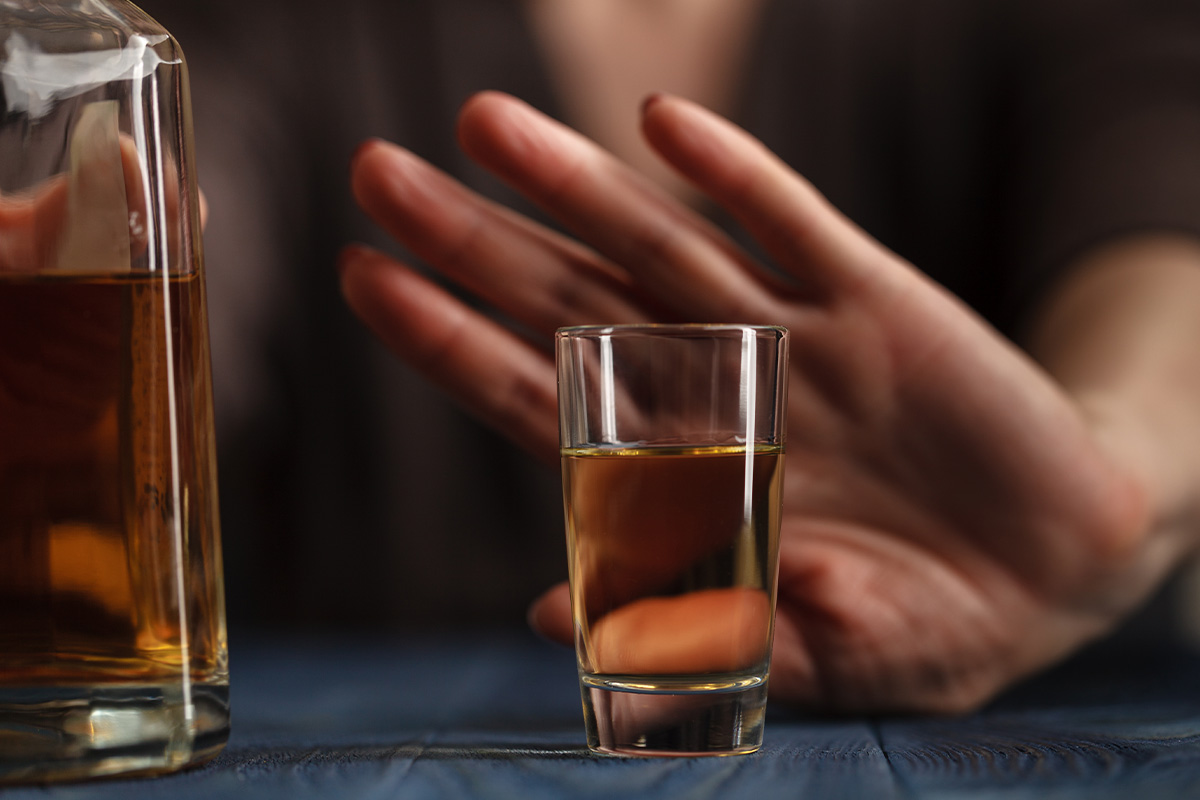
Breaking the cycle of addiction is not an easy task; it requires motivation, courage, and willpower, but these are not the only solutions to break the cycle of addiction. It all starts with identifying triggers and realizing the cause of substance use, whether it is trauma, stress, or another mental health condition. It’s not about eliminating the substance, but the change in thought patterns, actions, and environments that fuel the substance use. Developing a healthy lifestyle, having realistic goals, and associating with individuals who will support the process of recovery is helpful. Treatment may be particularly beneficial to deal with the emotional distress or psychopathology that usually lies at the root of addiction. Establishing new patterns and preventing high-risk situations are also very important to break the cycle of addiction.
It is not a linear process of recovery; there are failures and improvements. Whenever somebody refuses to participate in the cycle, though, they loosen such a hold. Lifestyle modifications, medication, mental health treatments, and Substance Abuse psychotherapy are involved. Breaking the addiction cycle can be done with the help of constant support with appropriate strategies.

Treatment Options to Escape the Addiction Cycle
To break the cycle of addiction, it needs a customized Substance Abuse Psychotherapy that deals with the physical and emotional sides of substance abuse. The combination of therapy, medical aid, mental health care, and a healthy lifestyle is usually included in treating addictions since the brain, the body, and the behavior are all involved. You may wonder, “What is the first step toward getting the treatment for alcohol addiction?” Here are some treatment options that can be used to treat alcohol addiction and substance abuse.
Substance Abuse Psychotherapy
Focuses on helping individuals understand the thoughts, emotions, and behaviors driving their substance use. Therapists use approaches like CBT and trauma-informed care to break negative patterns and teach healthy coping skills. This form of therapy is essential for addressing the root causes of addiction and creating a strong foundation for long-term recovery.
Buprenorphine Treatment
Buprenorphine Treatment is an opioid addiction treatment for opioids. It lowers the cravings and withdrawal symptoms so that people can maintain their recovery easily. When taken under medical control, buprenorphine contributes to stabilizing brain functioning and enabling patients to concentrate on the treatment, restore routines, and completely leave the cycle of addiction.
Mental Health Care
Mental health conditions, such as feelings of depression, anxiety, or trauma, are essential to treat for proper recovery. Mental health treatments are designed to support individuals with substance abuse disorder. This holistic approach makes it easier to break the cycle of addiction.
Residential Rehabilitation
Residential treatment requires the patient to live 24/7 at a rehab center. This treatment allows the therapist to work on helping the person stop the cycle of addiction. The patient will be helped through evidence-based, holistic programs of therapy by the medical and therapeutic team.
Vivitrol Injections
Vivitrol Injections are a form of medication that is used to treat alcohol and opioid dependency. It’s given once a month and stops the brain from feeling the effects of drugs or alcohol, thus minimizing the desire for substances. It is particularly helpful to those who have finished the process of detox and are struggling to remain drug-free in the long term.
Get Help for the Addiction Cycle at Mid Cities Psychiatry
At Mid Cities Psychiatry, we are specialists in the diagnosis and treatment of the cycle of addiction by offering customized care based on evidence. Our team understands that every individual has their own struggle. So, we offer customized individual treatment for those struggling with detox to therapy, and medication management.
In support of the problem with alcohol or opioids, or any other substance, our skilled professionals will provide the best treatment with care in a safe environment. We do not only treat substance use disorder, but also other mental health conditions that are comorbid with other disorders.
Frequently Asked Questions
The addiction cycle theory maps out the loop many people get stuck in: using a substance, feeling a strong craving, going through withdrawal, and ultimately relapsing. By showing how these stages influence brain chemistry and everyday choices, the theory clarifies why quitting is so tough and why good support matters.
How long detox takes depends on what someone has been using. Alcohol and opioids usually require about five to ten days, yet some individuals with higher levels of dependence stay in a medical program for an even longer time. It’s crucial to remember that detox is only the starting point; therapy and ongoing relapse-prevention work come next.
Alcohol sits at the top of the list when experts look at widespread abuse. Prescription opioids, cocaine, methamphetamine, and even marijuana still show up as serious problems for many people. Casual use often seems harmless at first, yet any substance can slide into dependence if warning signs are ignored and treatment isn’t sought.
Conclusion
The cycle of addiction often feels like an unending loop, yet people want to step out of it. By identifying the stages of addiction, we can find a clear path toward healing. With the right support, proper diagnosis, and appropriate treatment, people can break the addiction cycle.
At Mid Cities Psychiatry, our team promises to stand beside you as you move towards recovery. Using trusted therapies, caring experts, and research-backed methods, we guide you in breaking the cycle of addiction and returning to a healthy and happy life.
Revision History
Author

Dr. Sacha Cohen
Medical & Clinical Educator
Dr. Sacha Cohen is a healthcare professional and medical content writer with experience in clinical training and academic writing. She specializes in creating research-based, accessible healthcare content. With a foundation in medical education and hands-on clinical practice, she brings depth and clarity to every piece she writes. Passionate about making medical knowledge understandable, she aims to educate and inspire her readers.

Dr. Kazi, Seema
Dr Seema Kazi is a board-certified psychiatrist and a proficient Medical Director of Mid Cities Psychiatry at Euless, Texas.
Fact Checker

Dr. Seema Kazi
Founder & Medical Director
Dr. Seema Kazi is the compassionate force behind Mid Cities Psychiatry, where her vision has shaped a practice rooted in empathy, excellence, and patient-centered care. As a triple board-certified psychiatrist in Psychiatry, Geriatric Psychiatry, and Internal Medicine, Dr. Kazi brings over 20 years of clinical experience to her leadership role.