Impact of Natural Disasters on Mental Health

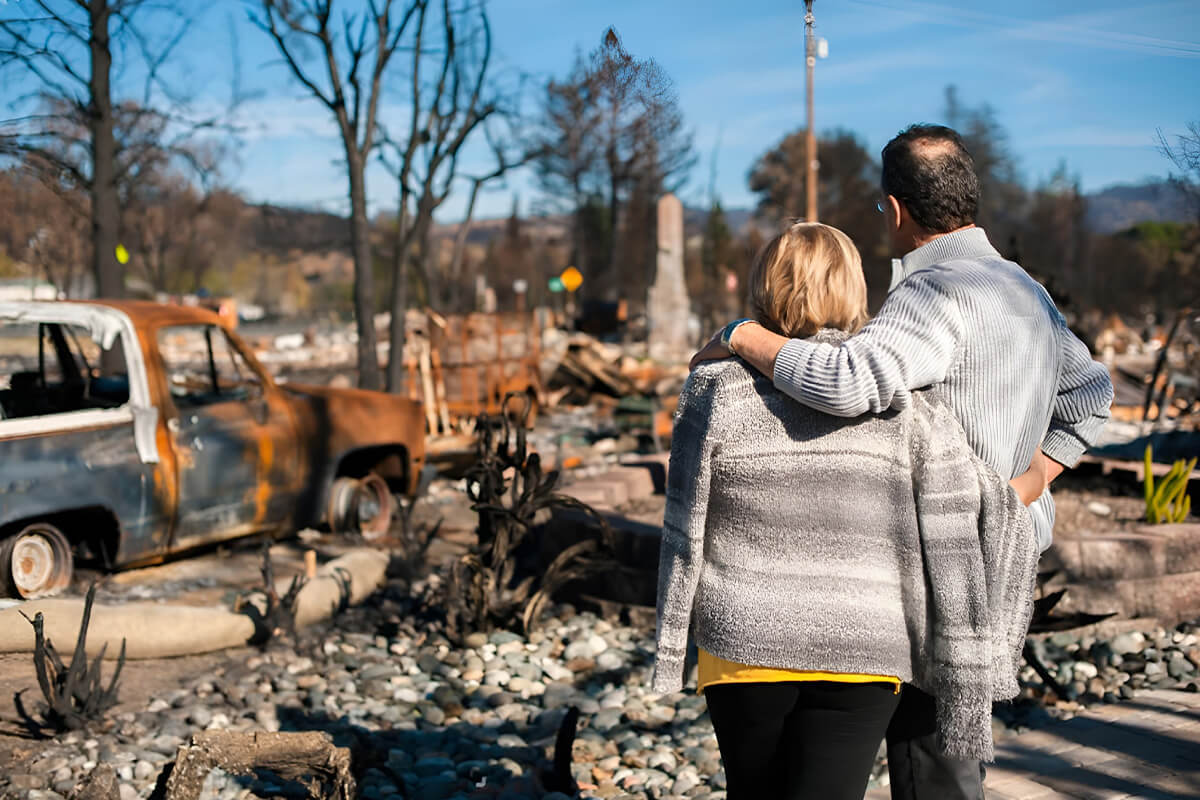
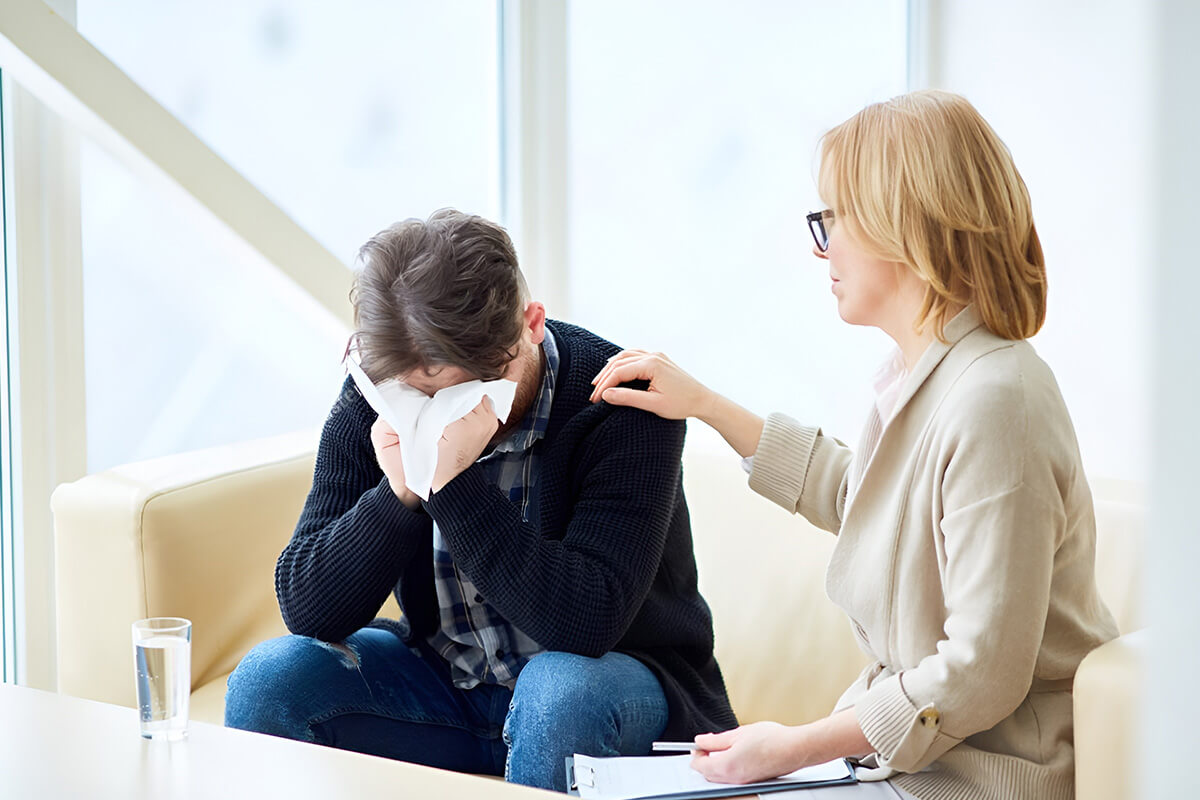
Natural disasters not only affect physical health but also significantly affect mental health. A disaster comes with many heartbreaking events. People lose their lives, families, homes, assets, and whatnot. These disasters can affect thousands of people at a time and cause social and economic disruption. Survivors might develop mental health disorders such as depression, PTSD, panic disorders, and stress and anxiety disorders.

According to a survey on the effects of natural disasters, disasters can increase the possibility of negative mental health effects among survivors, as they are more prone to develop mental health issues such as post-traumatic stress disorder and panic disorders.
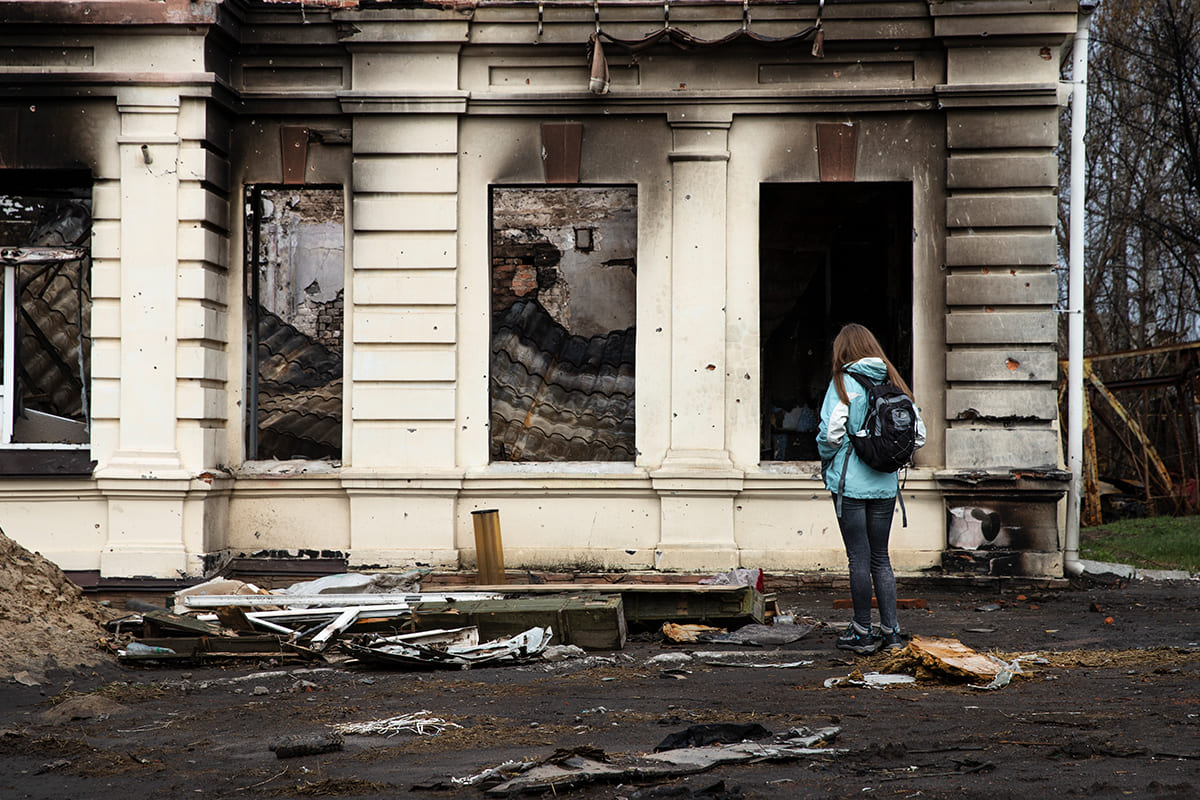
Table of Contents

Understanding Natural Disasters and Their Impact on Mental Health

Understanding Natural Disasters and Their Impact on Mental Health

A natural disaster is a sudden ecological phenomenon caused by natural hazards.  Some examples of natural disasters include tsunamis, earthquakes, floods, heatwaves, landslides, cyclones, and volcanic activity.  The damage caused by natural disasters varies in severity.  

Survivors of a natural disaster may face forced displacement. Psychological impacts of natural disasters include continuous anxiety about recurrence and a profound sense of vulnerability. Alongside displacement, the destruction of property leads to long-term emotional suffering. Although the government and human rights organizations address immediate facilities and shelter that cater to physical needs, but often overlook emotional needs.

Physical and Mental Health Effects of Natural Disasters

Physical and Mental Health Effects of Natural Disasters

Natural disasters inflict damage to homes and infrastructure while also affecting the mental and physical health of the people. Physically, survivors may experience injuries, malnourishment, and exposure-related illnesses as a consequence of disrupted living conditions. Moreover, the absence of clean water, proper shelter, and medication exacerbates health risks. These physical challenges make emotional hardships even more distressing, leaving survivors with a constant feeling of dread and hopelessness. The aftereffects of a natural disaster include drastic psychological changes. It might start with emotional numbness, anxiety, or panic. Survivors often feel trapped, powerless, or even experience disbelief. When trying to cope with normal situations, individuals often experience overwhelming grief or confusion. The experience of being affected and witnessing the destruction usually develops depression and PTSD. The psychological impact of a disaster often extends to a person’s sleep, appetite, and mood.

Short-term Psychological Impact of Natural Disasters

Most people experience Short-term psychological effects of natural disasters, such as confusion, lack of sleep, and irritability. If untreated, these symptoms can worsen and turn into PTSD. The psychological impacts of natural disasters are felt almost immediately, within hours to days after the event. Many survivors report:

  • Shock and confusion – trying to make sense of what has just happened.
  • Overwhelming fear – especially during aftershocks, heavy rain, or storm warnings.
  • Sleep issues and irritability – difficulty in both resting and relaxing.
  • Low motivation – in everyday responsibilities, focus is almost impossible.

Long-term psychological effects of natural disasters

Disasters can cause severe anxiety, depression, and post-traumatic stress disorder in the long run. Survivors are at risk of experiencing flashbacks, nightmares, or avoidance for many years, and the loss of community can heighten the emotional burden. These unresolved issues can lead to difficulties in performing constructive roles in life and, without emotional support, can strain relationships and reduce quality of life.

Fast-Onset vs. Slow-Onset Disasters: Mental Health Impacts

Mental health can be impacted by natural disasters in different ways. For instance, tornadoes and earthquakes are examples of fast-onset disasters, and they happen with no predictions. Such natural disasters create deep-seated fear, shock, and severe panic due to a lack of preparation or time to respond. In contrast, slow-onset disasters like droughts or rising sea levels develop over a period of months or years. These disasters create a slow, grinding mental burden of stress, fear, and hopelessness due to financial loss or unemployment. While both fast and slow-onset disasters are damaging and causing mental health issues.

CategoryExamples of Effects on Mental Health
Short-Term Effects– Shock, fear, and confusion immediately after the event
– Acute stress reactions (hypervigilance, restlessness)
– Nightmares and sleep disturbances
– Emotional numbness or denial
Long-Term EffectsChronic anxiety, depression, or PTSD
– Ongoing sleep problems and poor concentration
Substance abuse or unhealthy coping
– Persistent hopelessness and loss of safety
Direct Impacts– Trauma from life-threatening experiences
– Grief over loss of loved ones, homes, or belongings
– Emotional distress linked to physical injuries
– Fear of recurrence when reminded of disaster
Indirect Impacts– Financial stress from job loss or property damage
– Displacement and instability in shelters/temporary housing
– Breakdown of social networks and isolation
– Limited access to healthcare and treatment disruptions

Help to Cope with Grief and Loss

Losing someone you love is a tragedy that damages you from the inside and out. Expressive writing therapy helps you recover from your loss by writing down your sadness, pain, and anger, and allows you to process the grief by writing it out. Numerous individuals who experienced expressive writing therapy reported that reflecting on their grief is valuable and helps them to feel better in later life.
Common Mental Health Issues After Natural Disasters

Common Mental Health Issues After Natural Disasters

The survivors of natural disasters often undergo a wide range of psychological reactions. Some reactions may appear in the first few hours or days, while others may surface weeks or even months later. This can have a significant impact on a person’s day-to-day functioning and emotional health. While these reactions are natural, they can worsen over time and develop into more serious mental health issues if left untreated. Understanding these psychological responses is crucial for offering the necessary help and ensuring that survivors do not feel lonely throughout their healing process.

Typical psychological responses encompass:

  • Shock and denial immediately after the incident
  • Intense fear and anxiety due to flashbacks or aftereffects.
  • Grief for the persons who are lost, their homes, or the communities of which they were a part.
  • Anger and frustration that is directed at the situation, the disaster, or the responsible persons.
  • Feelings of helplessness and hopelessness in the process of attempting to recover.
  • Guilt in surviving, questioning what makes them different from those who did not survive.
  • Behavior changes, especially in adults, such as aggression or increased social clinginess.
  • Marked fatigue, mental exhaustion, and a lowered ability to pay attention to tasks.
  • lack of appetite and disrupted sleep patterns
  • Withdrawal from social interaction or emotional numbing

Groups Facing the Highest Mental Health Risks

After a natural disaster, some particular groups are more vulnerable to mental health disorders. Children may have difficulties understanding the event, while older people may have health and mobility issues. Individuals with pre-existing mental health disorders may find their symptoms worsening. Low-income communities tend to experience chronic stress and displacement. First responders are at extremely high risk of chronic PTSD due to the nature of their work.

Socially isolated individuals lack strong support systems and are, therefore, more at risk. Survivors of such disasters often lose family members, homes, and jobs, facing overwhelming mental strain. Rural populations and refugees often lack adequate geographic access to mental health resources. These groups are critical for effective disaster management. By identifying these populations as at-risk, tailored strategies can significantly decrease the mental health effects of natural disasters

Managing distress during Disaster

The impact of natural disasters extends far beyond physical damage, they can also lead to mental fatigue, stress, or anxiety. During these difficult times, self-care isn’t an option, it’s a requirement.

Mental and Physical Well-Being

Most people experience Short-term psychological effects of natural disasters, such as confusion, lack of sleep, and irritability. If untreated, these symptoms can worsen and turn into PTSD. The psychological impacts of natural disasters are felt almost immediately, within hours to days after the event. Many survivors report:

  • Shock and confusion – trying to make sense of what has just happened.
  • Overwhelming fear – especially during aftershocks, heavy rain, or storm warnings.
  • Sleep issues and irritability – difficulty in both resting and relaxing.
  • Low motivation – in everyday responsibilities, focus is almost impossible.

Long-term psychological effects of natural disasters

Your physical health starts with mental safety. Follow official evacuation instructions, stay informed from credible news sites, and keep an emergency supply kit on hand. If you’re in a shelter, use shelter areas to create a small, personal space so that you can feel more in control.

Nourish Your Body

Your body needs to be healthy to face challenges. Do your best to prioritize hydration, nutrition, and adequate rest. If you are not meeting your physiological needs, your body is more likely to experience heightened stress and fatigue.

Support Your Mental Health

Disasters can trigger anxiety attacks and can also lead to panic attacks or sleep disturbances. During these times, engaging in deep breathing or focusing on comforting sensory details can help minimize heightened anxiety.

Stay Connected

Engaging with family members provides a sense of comfort. Emotional and social support also proves helpful in preventing PTSD. Use this opportunity to tell them how you feel, and, more importantly, let them tell you how they feel.

Be Gentle with Yourself

During a crisis, it is typical to experience fear, sadness, and even irritability. Allow yourself short breaks to reset, like listening to peaceful music. Avoid harsh self-criticism to ease the self-inflicted sabotage breaks. 

Emotional Healing Tips After Natural Disaster Trauma

Emotional Healing Tips After Natural Disaster Trauma

Coping with the distress caused by a natural disaster begins with recognition of one’s emotions. Receiving help, such as therapy, or even talking with a friend or family member, has proven results. Here are some techniques that can help manage distress after a natural disaster:

Prioritize Physical Health

If you want to overcome the psychological effects of a natural disaster, you need to prioritize your physical health first. Eat healthy, nutrient-dense foods. If you are healthy, you can think better and rebuild your life once again.

Keep Yourself Calm

Staying positive and calm while facing a crisis is important. Drinking water before making impactful decisions is pivotal. This directly reduces stress. 

Ground Yourself in the Present Moment

Panic thrives in situations where the mind is distracted and starts wandering to the “what if” scenarios.  Instead of thinking about the past, keep yourself focused on the present situation and think about what you can do to get a better life.

Relaxation Techniques

Try the 5-4-3-2-1 technique. This technique is designed to relax the mind. To relax your mind, begin and stating 5 things which you can see, 4 things which you can feel, 3 things which you can hear, 2 things which you can smell, and a single thing to taste. 

Set Goals and Create Small Routines

Even if there is no alarm or clock, set a standard wake-up time.  Start your day by shifting your mind to repetitive tasks: dedicating a specific time and cleaning up a certain area, turning the kettle on, or checking on people around you.  

Build connections

Share finding food or fixing shelter. Such small successes reassure hope.  Lean to teach and learn survival skills from each other, as it helps build connection and resilience. 

Limit Media

Getting informed about updates is important, but overconsuming news about disasters can increase distress.  Also, social media spreads fake news and rumors that can cause confusion and panic.  Make sure to check the news out with a trusted source.

Practice ‘Micro Relaxation’

Even a few seconds of calm can go a long way in chaotic environments.  Deep breathing can be effective: Inhale for four seconds, hold your breath, then exhale.  Recite comforting phrases or words such as a prayer, poem, or mantra.  Stress can also be stored in your body, so gently stretching your neck and shoulders can greatly aid. 

Reach Out for Professional Support When Needed

Reach Out for Professional Support When Needed

If you have any mental health condition that makes you distressed and disturbs your daily functioning. Feel free to contact Mid Cities Psychiatry. We understand that the psychological impact of a natural disaster is quite overwhelming and is not easy to handle alone. With a comprehensive list of services like counseling, evidence-based therapies, and medication management offered at Mid Cities Psychiatry, we can help survivors cope with trauma and live a peaceful life.

Conclusion

Surviving a natural disaster is quite an overwhelming process that affects the physical and mental health of survivors. Natural calamities like earthquakes, wildfires, floods, and hurricanes have the potential to damage not just the community as a whole and the infrastructure, but also the physical and mental health of survivors. The aftereffects of these calamities trigger mental health conditions such as PTSD, anxiety, depression, and sometimes cause severe survivor’s guilt. It is important to identify the ongoing mental health crisis and remind yourself that healing takes time. If you find yourself struggling with mental health issues such as persistent anxiety, insomnia, isolation, anger, and frustration, consider seeking professional help, as mental health support can guide you through the recovery process.

Recent Posts
Popular Posts
Categories

Revision History

Original Publication: Sep 5, 2025

Author

Dr. Sacha Cohen

Medical & Clinical Educator
Dr. Sacha Cohen is a healthcare professional and medical content writer with experience in clinical training and academic writing. She specializes in creating research-based, accessible healthcare content. With a foundation in medical education and hands-on clinical practice, she brings depth and clarity to every piece she writes. Passionate about making medical knowledge understandable, she aims to educate and inspire her readers.

Picture of Dr. Kazi, Seema

Dr. Kazi, Seema

Dr Seema Kazi is a board-certified psychiatrist and a proficient Medical Director of Mid Cities Psychiatry at Euless, Texas.

Fact Checker

Dr. Seema Kazi, MD

Dr. Seema Kazi

Founder & Medical Director
Dr. Seema Kazi is the compassionate force behind Mid Cities Psychiatry, where her vision has shaped a practice rooted in empathy, excellence, and patient-centered care. As a triple board-certified psychiatrist in Psychiatry, Geriatric Psychiatry, and Internal Medicine, Dr. Kazi brings over 20 years of clinical experience to her leadership role.

Subscribe to Our Newsletter