Valentine’s Day and Mental Health: Understanding the Emotional Impact and Finding the Right Support


Valentine’s Day, celebrated every 14th of February, can evoke feelings of happiness, love, and romance, yet it can pose unique challenges to mental health. Some people are so willing to celebrate this day of love, but others might experience pressure, loneliness, or anxiety. It is important to recognize the emotional impact that this day can have on our well-being. Understanding the impact of this day on our thoughts and feelings can help us take proactive actions.
Valentine’s Day can play a significant role in our mental health, either positively or negatively. The day helps build a connection between people by sharing love and affection; however, it can also amplify feelings of sadness or depression. Understanding the connection between Valentine’s Day and mental health helps individuals to balance their emotions and get a healthy, balanced celebration.
Table of Contents

Valentine's Day and Its Effect on Mental Health
Valentine’s Day is not only about romance; it may come with certain mixed emotions that affect our mental health. In this social era, where everything is easily hyped, Valentine’s Day has become more visible and celebrated than ever. We see Valentine’s themes everywhere, making it nearly impossible to avoid them. People start doubting their relationship when they look around and feel their Valentine’s Day does not meet social expectations, while others may feel lonely and begin to doubt themselves. By knowing these emotional patterns, the person will be in a position to proactively address these challenges, find support, and practice self-care that leads to improved mental and emotional health. Having meaningful conversations or taking part in healthy activities can build positive mental health. Recognizing the emotions and dealing with them thoughtfully can help individuals maintain emotional balance during the Valentine’s season.

Valentine's Day Depression
Valentine’s Day may develop feelings of sadness and isolation, commonly known as Valentine’s Day depression. Those who are single or who recently lost someone may find it challenging. The social focus on romantic love can foster feelings of inadequacy or disapproval, which may negatively impact self-esteem and emotional well-being.
It’s important to recognize that anyone can feel lonely on Valentine’s Day, whether they are in a relationship or single. The sense of disconnection can result in withdrawal, irritability, or negative thoughts. It is essential to be aware of the initial signs of Valentine’s Day depression, and addressing them proactively is key.
These feelings can be alleviated through engaging in meaningful social interactions or joining helpful communities. To cope with overwhelming feelings, mental health experts also advise using coping strategies such as mindfulness activities, meditation, and, in severe depression, taking therapy, which helps to manage the symptoms and prioritize emotional well-being. By practicing healthy activities, we can promote a sense of inner peace and clarity.

Valentine’s Day Triggers Stress and Anxiety
Valentine’s Day can cast a long, dark shadow over mental health. The pressure to be in a relationship, to be happy, to give a good gift, and to express love to your partner publicly. The main source behind this kind of stress is Social media. As whenever you will scroll on your social media feed you will see couples surprising each other with beautiful and lavish gifts, or even enjoying grand vacations on this occasion of love. If you are experiencing relationship break up, then watching such content on social media makes you feel more alone.
The emotional weight of questions like, “Why am I alone?” or “Why am I not in a relationship like that?” badly affects mental health. For individuals already struggling with anxiety or depression, these feelings can become a heavy burden.
Mental health professionals explain that emotional comparison is a primary cause of stress and depression. Social media is not the true reflection of any relationship; even relationships that seem perfect can struggle with issues related to emotional detachment, communication gaps, and long-term viability.


Emotional Pressure and Unrealistic Valentine’s Day Expectations
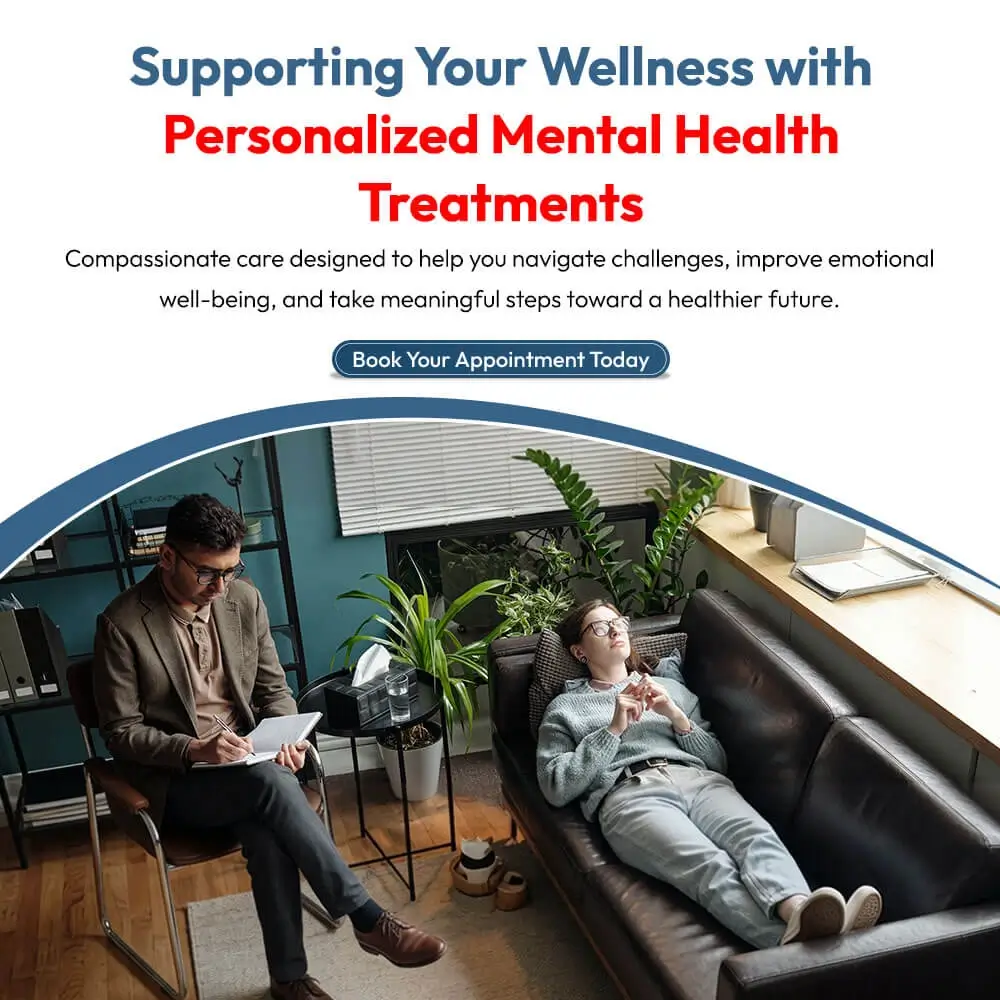
Emotional stress is one of the significant mental health concerns that often comes with Valentine’s Day. Society tends to promote the belief that being single is an incomplete state, while being in a relationship guarantees happiness. Thus, emotional pressure surrounds us everywhere. The pressure influences individuals, couples, and even married couples, as to “prove” their love. Ideal date planning, purchasing the best gifts, and posting the best photos are all sources of stress, anxiety, and emotional depletion.
A practical way of addressing such stress is to consciously set the intention to dissociate your self-worth from your relationship status. Remember that happiness is a state that does not come from a romantic relationship alone. Practice self-acceptance by recognizing your growth, friends, and your accomplishments, which can help you to focus on yourself rather than on your external surroundings.
5 Strategies to Safeguard Your Mental Well-being on Valentine's Day
Valentine’s Day impacts people in multiple ways. Some people enjoy the love in the air, while others may feel different. Here are five tips that help you to make your Valentine’s Day special.
Set Realistic Expectations for Valentine’s Day
Remember that Valentine’s Day is just a day, not a scale or parameter that defines the quality of your relationships or your self-worth. Rather than expecting lavish gifts and luxury dates, you can plan a movie night or a coffee date with your partner. If you are single, you may spend the precious moments with the one relationship that means everything to you, it may be a friend or someone in your family. It is important to keep yourself free from social pressures and maintain emotional balance by avoiding overthinking.
Avoid Social Media Comparison
Social media is all about glamourizing the things and showing the crafted versions of people’s lives. During Valentine’s season, social media thoughtfully promotes idealized images of couples, heartfelt surprises, and fills your feeds with trending hashtags such as #couple goals, #choclate day #. Rose day. Such trending posts can significantly affect your mental health and may trigger emotions of loneliness. Taking breaks from social media and reducing your time online can help lower anxiety. Engaging in offline hobbies and activities is a great way to prioritize your emotional well-being.
Engage in Guilt-Free Self-Care
Self-care is a crucial part of having a healthy mind, and even events such as Valentine’s Day can help by reminding us to prioritize our emotional and mental well-being.
Feeling guilty about spending time alone and taking care of yourself is one of the most widespread issues that people face. It may result in frustration and anxiety when your emotional needs are not taken into consideration. Treat yourself with kindness and love. Indulge yourself in activities that make you feel good. You can plan an outing with your friends, cook something special, and give yourself a spa day, or practice mindful activities such as running, swimming, or meditating, as it helps to promote mental wellness. Such activities can have positive effects on your emotional well-being.
Prioritize Emotional Connection over Romance
While Valentine’s Day often focuses on romantic love, love is not only about romance, it covers a broader range. Focusing solely on romance can leave people feeling disconnected and lonely. Connecting with a secure and helpful circle of people is more beneficial to mental and emotional health and may alleviate the sense of isolation. Spend time with those who welcome and embrace you.
Seek Professional Mental Health Support When Needed
Valentine’s Day, which is often considered as a day of love and connection, can also bring feelings of loneliness, grief, anxiety, or depression. Whether you’re experiencing any relationship break up or feeling societal pressure, recognizing when to seek help is a courageous and vital step toward well-being. Don’t hesitate in seeking professional support as it provides a safe space to process complex emotions, develop healthy coping strategies for societal pressure, reframe harmful narratives, and heal from past relationship wounds. At Mid Cities Psychiatry, we acknowledge the courage you take for betterment of your mental well-being. Remember, prioritizing your mental well-being by seeking help is a profound act of self-respect, not weakness, and it is important every day of the year, including Valentine’s Day.
Frequently Asked Questions
Yes, it is very common. Valentine’s Day often heightens feelings of loneliness, grief, or anxiety due to social pressures and reminders of loss or absence. Many people experience this emotional strain, so know you are not alone.
Valentine’s Day often evokes strong emotions. It brings back memories of lost relationships and past heartbreak, which are common feelings during this holiday. Additionally, it’s a time when people realize that loved ones are no longer present.
Absolutely. Those who are celebrating love Valentine’s Day can enhance their joy, while on other hand people who struggling in their relationship experiences loneliness and grief. Emotional impact is deeply personal and varies widely based on individual circumstances and mental health.
Yes, Valentine’s Day can be difficult for people experiencing depression. The focus on romance and social expectations may intensify feelings of loneliness, sadness, or low self-worth. Practicing self-care and seeking support can help manage these emotions.
Conclusion
Valentine’s Day has both positive and negative effects on mental health. On one hand, it can promote happiness, appreciation, connection, and positive emotions. On the other hand, it may lead to sadness, mental stress, and emotional pain. One positive aspect of the day is that it can foster an optimistic perspective and promote self-compassion. Being aware of social pressures, understanding your relationship status, and recognizing your feelings about holidays like this can help individuals avoid emotional pain. Engaging in positive experiences and practicing self-care can improve overall mental well-being. Promoting mental health during this time can encourage self-appreciation and celebration.