Phubbing: The Modern Social Distraction


It starts as simply as someone you’re talking to pays more attention to their phone mid-conversation instead of you. The first thought that comes to your mind is “there is something important that needs immediate attention, and it’s alright”. But over time, you experience this often. Repeatedly being ignored for screen checks. Then, a little later, you realise that you have become a target of phubbing. A word that many of you might not have known, but an experience many of you go through daily. The rise of digital connections has led to a great decline in real connections.
The frequency with which we see people engaged in phubbing highlights its status as a contemporary social epidemic. Whether it’s a notification check during meetings, scrolling social media platforms while eating, or texting someone amidst a family gathering. Real people being ignored at the expense of a smartphone vastly affects genuine relations. This distracted behaviour pattern arises from the compulsive need to stay informed of tech happenings. Although not termed as an addiction but phubbing can be a symptom of behavioural addiction to smartphones, social media, or constant connectivity. The cycle of phubbing can be easily broken through a deeper analysis of the psychological roots of phubbing.
Table of Contents

Phubbing Definition and Key Characteristics
Phubbing is defined as the act of ignoring someone present with you and paying more attention to your mobile or tech devices. The term was coined in May 2012 by the advertising agency McCann Melbourne as part of a campaign for the Macquarie Dictionary in Australia. This campaign was to highlight the rising use of phones. It was done to define a modern problem that was increasingly affecting social interactions and personal relationships. Phubbing, meaning in a broader context, is a combination of two words: the first is Phone, and the other is Snubbing. The use of the Phone in a deliberate act of ignoring and not acknowledging the presence of someone with you is a courtesy breach. Phubbing definition also encompasses a shorter term, phubb. Additionally, the word phubber is used to define the person who ignores the person they are with. While the term phubbed refers to the person who is ignored.
Key characteristics of Phubbing:
Phubbing may often be rooted in certain social and psychological factors. The characteristics of Phubbing can be explained through behavioural observation, such as:
- Seeing someone on their Phone, busy while ignoring the person sitting in front of them. Although they are physically present but their focus is diverted towards the Phone. This may make another person feel overlooked.
- The digital engagement diverts and takes away attention from real interactions.
- Late responses, no eye contact, or missing parts of a conversation all weaken the quality of everyday communication. Therefore, natural communication patterns are easily disrupted.
- Physically present but not involved mentally. While still using the Phone, the phubber nods or replies in short answers.
- The person who is phubbed feels unimportant and ignored. Phubbing is seen as a rude behaviour. It signals that the Phone is more valuable than the person in companionship.
Phubbing often becomes a routine. While people do it unconsciously, the habits of checking their phones during meals, hangouts, or even in the middle of conversations can affect relationships and social bonds.
Phubbing and Its Impact on Daily Interactions
The act of phone snubbing alters the quality of our daily interactions. The use of a smartphone over the presence of a person provokes a sense of devaluation and disrespect. Daily interactions through communications, eye contact, and active listening build rapport in relationships. Rather than a feeling of rewarding time, connections feel superficial and meaningless. The repeated distraction through Phone may also cause the person being phubbed to feelings of loneliness and exclusion, even when physically surrounded by people.

Phubbing and Social Life
The idea that the Phone is a necessary companion to every gathering is becoming a normal concept. It also acts as a social contagion. When one person starts checking their Phone, the people around may defensively retreat to their own screens to cope with the sudden social anxiety and awkward silence. Hence, a room full of people turns into isolated individuals. Giving importance to virtual connections over physical presence can limit social joy, make the group atmosphere less compatible, and feel uncomfortable. Over time, it reduces group harmony and causes feelings of isolation in individuals.

Relationship Issues with Phubbing
Across close, familial, and friendly connections, partner phubbing is a strong predictor of relationship dissatisfaction. Decreasing overall happiness and satisfaction in a relationship, phubbing breaks the emotional bond of care and focus. Feelings of jealousy and resentment start to take over when a partner consistently chooses their Phone over a conversation or shared activity. If these patterns persist, phubbing can push a partner to withdraw, intensifying the cycle of emotional distance.

Effects of Phubbing on Communication
The effects of phubbing are not limited to relationship decline. Preventing eye contact, active listening, and not responding to the other person’s conversations degrade the quality of communication. The speaker often feels unheard when the phubber is unable to process non-verbal cues like body language and tone. This results in miscommunication. Successful dialogues largely depend on participants being fully present.

Phubbing and Mental Health
Phubbing affects negatively on the mental health of both the person being phubbed and, often, the phubber themselves. The most common consequences of phubbing on mental health are:
- Continuously being ignored leads to a feeling of loneliness in the phubbed person.
- The core need to feel valued is compromised, hence reducing self-esteem and self-worth in people being phubbed.
- Being phubbed is directly linked to heightened episodes of anxiety, depression, and stress.
While in many but not in all cases, Phubbing is caused by an underlying mental health issue. The symptoms may exacerbate or may build new, unhealthy patterns. The phubber shows more reliance on the device; inadvertently, it weakens their real-life relations.
Common Phubbing Behaviours
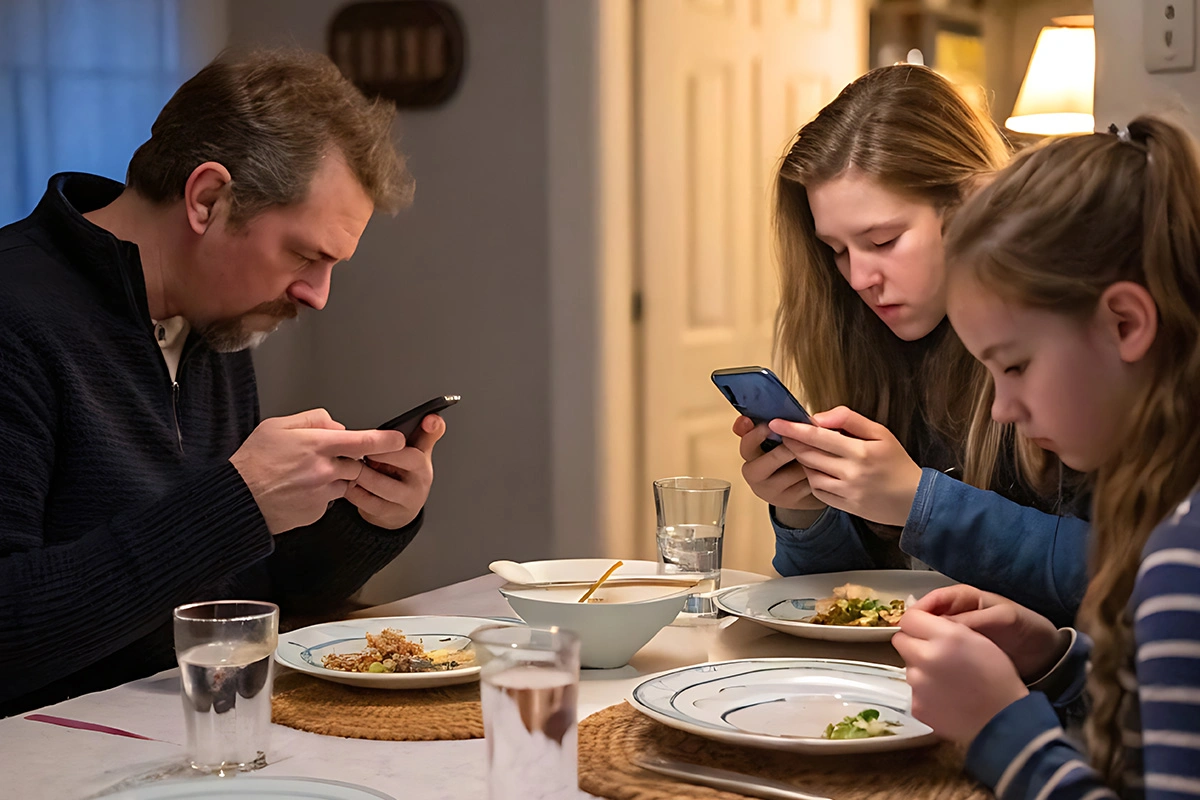
The most common behaviour associated with phubbing is an immediate check or response to a mobile phone notification. While in extreme cases, phone phubbing comes as the device is put visibly on the table with the screen facing up. The actions act as readiness to engage with the Phone, declining the importance of interaction with people. Some subtle actions that also fall under the umbrella of phubbing behavior are:
- Taking unnecessary videos or photos.
- Endless scrolling during breaks in conversation.
- Check messages to avoid any uncomfortable conversations.
- Avoid eye contact with another person talking and continue using the Phone.
- Being on your Phone at parties, dates, or family dinners, rather than engaging with those present.
- In extreme cases, people also can’t overcome the urge to use the Phone constantly in their own wedding event or a distressing event such as someone’s funeral.
When in group settings, the phubber may disengage from shared experiences. They prioritize their screen. It is important to state here that being someone on their Phone in a social setting may be unintentional. But its effect on the neglected person is intensely negative. The habit of constantly checking the Phone often stems from psychological reinforcement where the Phone serves as a source of instant gratification.


Strategies to Reduce Phubbing
The very first step to reduce phubbing is to build awareness of how often you reach for your Phone when with someone. Establishing clear technology boundaries and phone-free zones is the most effective way. A few more useful ways to stop phubbing can be:
- Take intentional steps for active listening and communication.
- Designate specific places, like the dinner table, bedroom, or family gatherings, as off-limits for phones.
- Commit and turn off notifications or activate the do-not-disturb while you are in a face-to-face conversation with someone.
- Pause and think before checking your Phone. Is it necessary to check right now, or can you do it later?
Strategies can also vary from those being implemented on an individual level (by the phubber) or interpersonal (by the person being phubbed). If you’re the one being phubbed, address the issue with empathy. Express in a gentle way how you feel when you are talking, and the Phone gets more attention. Open communication with shared expectations can strengthen the relationship. In the long run, it can reduce phubbing from both sides.

Phubbing Psychology
In some cases, phubbing points towards underlying mental health conditions. Here are some core behaviours associated with phubbing psychology. The need to check a phone is not just a habit: it’s about what the phone offers:
- The Phone serves as a safety barrier for people with social anxiety.
- Seeking phubbing as a means to avoid tense conversations or uncomfortable emotions.
- Individuals experience a form of anxiety that others may be enjoying rewarding experiences online. It is termed the fear of missing out.
- A form of behavioural addiction where the Phone serves as a source of immediate gratification.

Technology and Phone Use Patterns
Technology continues to shape how people work, communicate, and relax. The design and nature of modern technology are directly responsible for increasing phubbing behaviour. Smartphones are built on the principles of Behavioral Addiction. Uncontrolled use of digital stimulation alters the pattern of focus. The instant availability of internet connections encourages users to check notifications during important meetings or gatherings. Even during face-to-face conversations, the urge to check the Phone is becoming irresistible. Phones are now a hub for identity rather than a communication tool. With a continuous look into entertainment, social platforms, and information, individuals naturally develop strong phone-using patterns. However, this constant connectivity often leads to unconscious habits, such as checking the phone or scrolling out of boredom.
Trends and Awareness in Social Settings
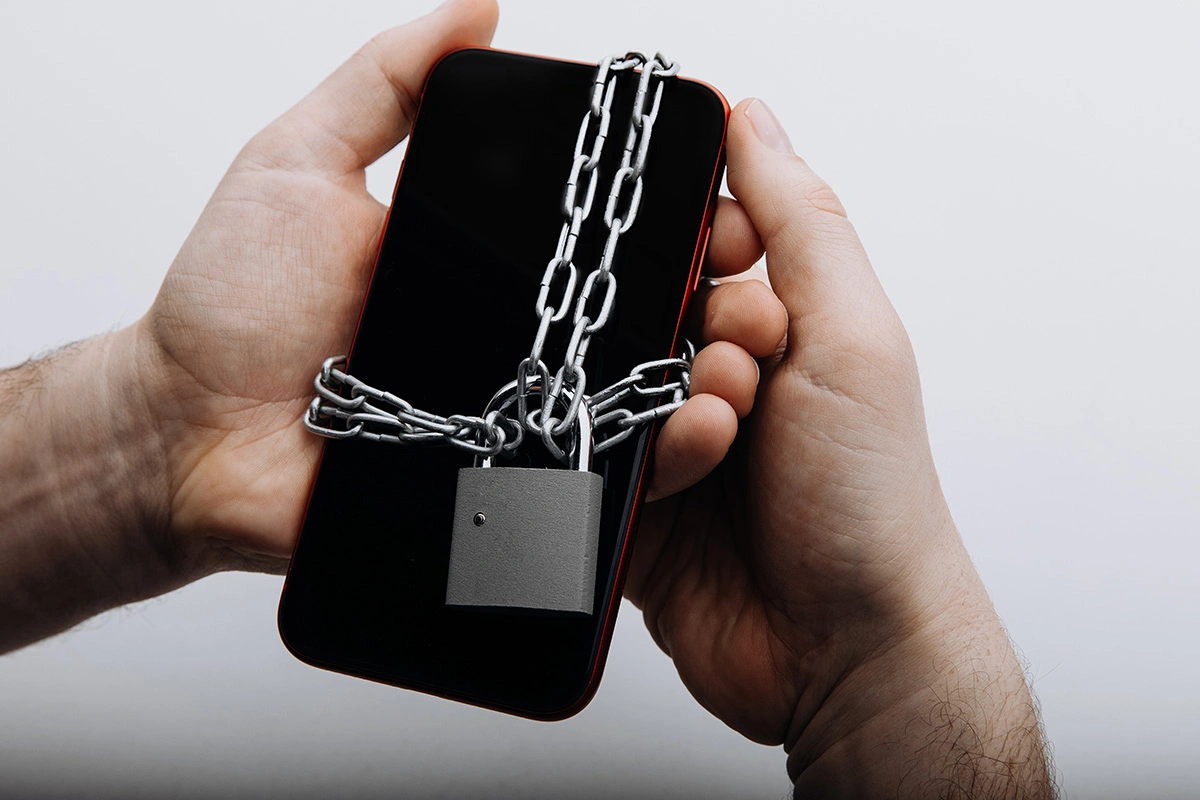
Sadly, phubbing has become a social norm. The normalisation is higher in younger age groups. But studies also show that all age groups experience varying degrees of phubbing every day. However, the awareness about the negative effects of phubbing is also growing. People are increasingly paying attention to digital detox and mindful phone use. Recognizing the toll phubbing creates on relationships, terms like tech-free zones, phone-free time are being thrown to reclaim true presence and combat the isolation caused by excessive digital usage.
Frequently Asked Questions
Yes, phone snubbing can have long-term yet negative effects both for the phubber and the phubbed one. It collectively impacts the social, emotional, personal, and mental well-being. Phubbing weakens emotional connections, and communication gaps widen. Over time, it contributes to loneliness and poor mental well-being.
Feedback from loved ones and mindful practices to follow phone-free moments are a great way for individuals can become more aware of their phubbing behaviour. Individuals can track their phone usage; furthermore, controlling the urge to be out for the Phone unnecessarily can reduce phubbing habits.
Yes. Phubbing habits can be significantly changed with conscious effort. Create a specified time for phone usage. Additionally, disable notifications to avoid continuous phone checking. Since it is a learned habit, it can be unlearned by consistently replacing the unwanted behavior with positive alternatives.
Teenagers, adolescents, and young adults (Gen Z and millennials) are more prone to phubbing due to high smartphone usage. With the rising use of social media and phones, however, phubbing occurs across all age groups. Anyone with a strong phone attachment can exhibit phubbing tendencies.
Conclusion
Phubbing, with all the impacts on the phubber and the phubbed, powerfully indicates the tension between digital lives and our fundamental human need for connection. It’s not just a behaviour, it’s poor etiquette. The constant use of the screens may also be rooted in underlying issues like chronic stress, social anxiety, or even early signs of behavioral addiction. The habit of phubbing, in its long term, erodes trust, fuels anxiety, and depression. Hence, threatens the quality of our most important relationships. In cases where the urge to phub becomes overwhelming, resulting in distress, seeking professional support can help.
Revision History
Author

Dr. Sacha Cohen
Medical & Clinical Educator
Dr. Sacha Cohen is a healthcare professional and medical content writer with experience in clinical training and academic writing. She specializes in creating research-based, accessible healthcare content. With a foundation in medical education and hands-on clinical practice, she brings depth and clarity to every piece she writes. Passionate about making medical knowledge understandable, she aims to educate and inspire her readers.

Dr. Kazi, Seema
Dr Seema Kazi is a board-certified psychiatrist and a proficient Medical Director of Mid Cities Psychiatry at Euless, Texas.
Fact Checker

Dr. Seema Kazi
Founder & Medical Director
Dr. Seema Kazi is the compassionate force behind Mid Cities Psychiatry, where her vision has shaped a practice rooted in empathy, excellence, and patient-centered care. As a triple board-certified psychiatrist in Psychiatry, Geriatric Psychiatry, and Internal Medicine, Dr. Kazi brings over 20 years of clinical experience to her leadership role.