Stage fright is more than just nervousness before a performance. Stage fright doesn’t only refer to nervousness, but a fear that makes an individual unable to bring out their full potential. How to overcome stage fright is a common concern of numerous performers who struggle with this issue. Overcoming stage fright begins with identifying its root causes and understanding the symptoms. Being an actor, singer, student, or professional speaker, it is common to live with this fear. However, learning how to get rid of stage fright can help you to perform with confidence and express yourself freely.
To learn how to combat stage fright, first, you need to understand that it involves a complete journey of self-awareness, consistent practice, and sometimes support from mental health care. People from different age groups can experience stage fright; whether they are young, middle-aged age or senior performers. Learning how to overcome stage fright can help you become a stronger person, boost your self-confidence, and perform more easily in front of an audience.
Table of Contents

What is Stage Fright
The term performance anxiety is often used to describe what is commonly known as stage fright. It is the fear of performing in front of an audience. It may happen with students who present their speech, and to a professional singer who performs in front of the public. Understanding how to manage stage fright begins with knowing its symptoms, its meaning, and how it impacts one’s mental health.
The symptoms of stage fright can be mild or severe, and they deeply impact the individual’s mental and emotional health. It can manifest through different symptoms, and in addition to anxiety, there is a spectrum of intensity. The fear is not only limited to public speaking challenges but also extends to singing, acting, dancing, and even active participation in group discussions. It is often chronic and is coupled with self-doubt, low self-esteem, and problematic past experiences. Fortunately, it is treatable. Everything comes with a solution, and with the right treatment and support, one can get better and be able to build the much-needed confidence.
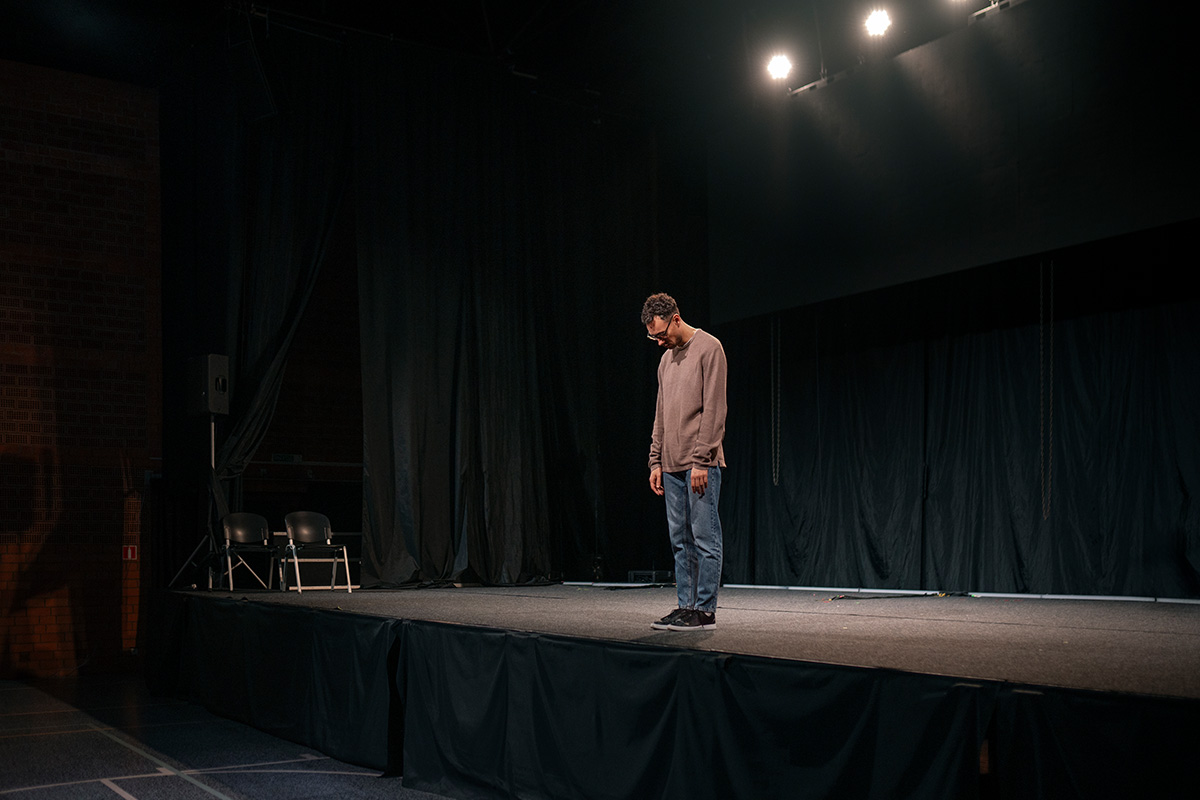
What Is Performance Anxiety?
Performance anxiety encompasses the term stage fright but also applies to other situations such as job interviews, public events, or exams. To overcome stage fright, it is important to understand performance anxiety itself. The performance anxiety activates the stress reaction of the body; as a result, adrenaline is released, a stress hormone, which can cause symptoms like an increased heart rate, dry mouth, or sometimes nausea or vomiting.
Performance anxiety can be situational, like general anxiety; however, it may turn out to be chronic anxiety if it’s not treated well. Identifying what triggers performance anxiety is important to preventing it early, or before it begins to interfere with your daily functioning. Performance anxiety is often a symptom of serious mental health conditions, such as Social Anxiety Disorder. At Mid Cities Psychiatry, we offer psychiatric evaluation where our professional team uses assessment tools such GAD-7 Anxiety Test or the Personality Assessment Inventory Test to identify your triggers and treat you accordingly.

Stage Fright vs. Performance Anxiety?
Stage fright is a subtype of performance anxiety. The first step in overcoming stage fright is understanding the difference between stage fright and performance anxiety. stage fright is directly associated with the fear of performing in front of an audience whereas performance anxiety covers a broad spectrum of situations, such as job interviews, presentations, and exams. Both causes similar physical symptoms such as racing thoughts, sweating, increase palpitations or sometimes mental block, but may need different coping strategies. Recognizing differences is important for selecting the right coping strategies.
An individual with stage fright might feel completely confident in one-on-one communication or in meetings that don’t involve public performance, but may panic when facing an audience. However, an individual with performance anxiety may struggle across various situations, and is not limited to audience-facing situations.
Another key distinction between stage fright and performance anxiety is the origin of the fear and the specific situations that trigger it. A live audience and real-time assessment can trigger stage fright, such as during musical performances and plays. This is called the fear of judgment, which is deeply rooted in the anxiety of being judged and making mistakes in front of an audience.
In contrast, performance anxiety is triggered in both public and non-public situations, such as attending events, participating in games, or even going on a date. Unlike stage fright, it isn’t necessarily linked to being watched by an audience but rather to the fear of not meeting the expectations of others.

Key Causes to Know for Dealing with Stage Fright
To learn how to overcome stage fright, it is essential to understand the main psychological and emotional factors that lead to the development of stage fright. Stage fright doesn’t only exist as a nervousness; it is a deeply rooted reaction tied to internal fears and past traumas. In order to move beyond this fear and perform with confidence, individuals must first identify their underlying causes.
Fear of Judgement
One of the most common causes of stage fright is Fear of Judgment. Individuals have experienced severe anxiety by thinking about how people perceive them on the stage. This fear of being judged or criticized may impact performance. At a stage or in front of the public, people with stage fright feel exposed, which increases nervousness, causing people to feel vulnerable, making it even more challenging to overcome stage fright effectively.
Lack of Preparation
Another important factor is the Lack of Preparation. Fear comes in when you are not sufficiently ready to perform tasks. Lack of preparation predisposes you to make more mistakes, which further arouses the fear. Taking the necessary procedures, practicing in detail, and rehearsing in such circumstances can overcome stage fright.
Low Self-esteem
People with low self-esteem are more prone to develop stage fright. It becomes a mental struggle when you do not believe in yourself to perform. Developing self-esteem is a crucial step for anyone who wants to learn how to overcome stage fright singing.
Comparison
Comparing with others is a major cause of stage fright. It is often overlooked, but comparison can fuel stage fright by reducing confidence and increasing self-doubt.

Symptoms of Stage Fright
Learning the physical symptoms is essential in overcoming stage fright. These symptoms are intense and directly linked to the nervous system that instinctively recognizes the threat. Just before performance or stepping in front of an audience, your anxiety triggers and your nervous system signals your body to come in fight or flight mode, which triggers physical reactions such as sweating or trembling. understanding these symptoms can help you to better manage yourself and take preventative actions to prevent stage fright or performance anxiety.
The symptoms of stage fright cover three broad categories:
Physical symptoms, Behavioral symptoms, and Mental symptoms.
Physical Symptoms
Increase Heartbeat & Sweating
A sudden increase in heartbeat and sweating is a common symptom of stage fright. When a person gets nervous, the body increases oxygen flow to the muscles. Excessive sweating acts as a natural cool-down system of the body triggered by stress.
Stomach cramps or vomiting
Due to the strong brain-gut connection, it’s common to experience stomach discomfort or nausea when facing stage fright. It is common to find many performers complaining of having an upset stomach just before they go on the stage, as a sure indicator that the body is defending itself.
Dry mouth
The adrenaline (stress hormone) slows down the activities of the salivary glands, leading to dry mouth and shaking hands. Your hands may shake or your voice may tremble, too. The symptoms usually cause individuals to seek how to overcome stage fright, particularly because it can disrupt the delivery of performance.
Tense Muscles
This often occurs in the neck, shoulders, or legs. It arises as a physical response when your body feels unprepared to face a perceived threat or “imagined disaster,” causing muscles to tense up instinctively.
Behavioral Symptoms
Avoiding presentation: Some people simply refuse to perform in front of the public because they feel unable to cope with their fear. Avoidance can bring immediate relief, but it often reinforces the anxiety over time.
Excessive rehearsal: Rehearsing or preparing too much is mostly a way of trying to control every possible outcome. Although one may think it is productive, it’s often driven by anxiety and perfectionism.
Pacing or fidgeting before performance: To fiddle before an act, like tapping the feet, is the body’s unconscious way of managing nervous energy. These patterns are often neglected but indicate anxiety and stress.
Walk off: In worst cases, people may walk off the stage. These reactions are panic reactions and may become extremely devastating to confidence. They are critical to fighting stage fright in the long-term perspective.
Psychological Symptoms
Racing thoughts or an empty mind: When you are anxious, your mind will either become unfocused, going in different directions, or it may be blank as you have nothing to think of anymore. These two extremes distort memory, concentration, and performance, particularly in a speech or when one is trying to get over stage fright.
Fear of embarrassment or failing: The fear of being judged or talked about publicly often begins in your thoughts. This internal fear can significantly affect your confidence and may prevent you from giving your best during a performance.
Negative Self Talk: A thought such as, “I can’t perform”, or “everyone will laugh at me” makes a negative chain reaction. Such inner thoughts develop anxiety and fear.
Imposter syndrome: feelings of not belonging or “I’m not good enough” can contribute to stage fright or performance anxiety. This self-doubt creates major anxiety issues; even sometimes experienced performers doubt their competency.

How to Get Rid of Stage Fright: Effective Tips and Strategies
Learning how to get over stage fright is a complete journey that takes time, practice, and the right techniques. You simply cannot ignore stage fright; it must be managed by using strategies that can comfort the mind and body. These are some reliable methods that can help a person to gain confidence and reduce anxiety before and during performances.
Inhale and Exhale
Deep breathing is one of the easiest techniques that can help you relax your nerves quickly. Breathe deeply with your nose, pause few seconds, and breathe out slowly with your mouth. This exercise helps your brain to be relaxed and decrease physical signs such as an acute heartbeat and shaky hands. This is a common method that is employed by performers who have to know how to handle stage fright.
Visualize Success
Imagining yourself achieving success is a powerful tool for overcoming fear. Before going to perform, close your eyes and visualize yourself standing with confidence. Visualization not only assists in reducing fear but also prepares you mentally to focus on your strengths. Actors find this method effective.
Practice in Safe Environments
Start by practicing in front of a mirror or with trusted friends and family. Gradual exposure helps build confidence over time, making it easier to face the real audience with calm.
Positive Self-talk
Forget the statements such as I’m going to fail or I am not good enough and replace them with “I can do this”. Positive self-talk can change your thought process and build self-confidence. It help to shift your focus on self-belief and is one of the building blocks in overcoming stage fright.
Forget about perfection
Instead of striving for a flawless performance, focus on improving with every opportunity. Positive critique makes you develop as a person, whereas perfectionism adds pressure and even makes you fall behind. Understanding this distinction is essential for anyone looking to overcome stage fright and build confidence.
Start with a Small Audience
Begin by performing in front of small, supportive audiences before moving on to larger venues. This approach will make the whole process less intimidating and gradually decrease the fear. To get over stage fright singing, it is better to begin small as this will give you valuable experience and help build emotional resilience.

Stage Fright Treatments for Lasting Relief
Have you tried the common strategies for managing performance anxiety but still find no improvement? If so, it may be time to consider professional treatment for stage fright. These therapeutic approaches focus on addressing the emotional and psychological roots of fear rather than just the surface-level symptoms. Professional support can offer long-term relief and help you build sustainable confidence. If the self-help methods above haven’t fully resolved your concerns about how to overcome stage fright, therapy may provide the deeper, lasting assistance you need.
CBT is considered a popular and one of the most effective therapies to treat stage fright. CBT focuses on identifying and reorganizing negative thoughts that lead to performance anxiety. By replacing irrational fears with balanced, realistic thinking, CBT helps individuals gain greater emotional control. The treatment is also used to teach effective coping skills to overcome anxiety before and during performances, making it easier to stay composed under pressure.
Dialectical Behavioral Therapy
DBT is a highly effective treatment strategy that assists in coping with strong emotions, which tend to be coupled with stage fright. It is a combination of cognitive approaches and mindfulness training, focusing on emotional stability and self-acceptance. This therapy equips individuals with tools to manage distress, stay grounded during performances, and reduce anxiety in high-pressure situations. This therapy is particularly useful, especially for those experiencing persistent performance anxiety.
Individual Therapy
Individual therapy offers a personalized approach to addressing stage fright. During personal sessions with a licensed therapist, you will be able to discuss the root causes of anxiety, whether it is fear of judgment, any past events, or low self-esteem. This type of specific intervention helps you identify patterns that contribute to performance anxiety and equips you with healthy coping strategies. Individual therapy plays a major role in the process of overcoming stage fright, as it provides a supportive environment for personal reflection, emotional healing, and growth.
Supportive Psychotherapy
Supportive psychotherapy focuses on strengthening emotional well-being through open conversation and validation. It provides a safe, non-judgmental environment where an individual is allowed to express fears, insecurities, and self-doubt related to stage fright. This therapeutic approach contributes to positive thinking, fosters self-esteem, and reduces anxiety by developing a good therapeutic relationship. It is especially useful to people who need a conversational style of learning to overcome stage fright. Instead of confronting thoughts directly, it focuses more on offering emotional support and taking practical reassurance, helping individuals gradually process fear and build confidence.
Medication
Medication may be recommended as a supplementary tool for individuals experiencing severe or persistent stage fright. Within the scope of the professional guidance, medication can play a role in the management of the physical symptoms such as rapid heart rate, tremor, and severe feelings of nervousness. Although medication is not the ultimate solution, it can be used to reduce the pressure for a shorter period. Medications are usually combined with therapies to support individuals in the process of overcoming stage fright.
Relaxation Technique
Relaxation techniques form a vital part of managing stage fright, as they help counter the physical and emotional tension that often accompanies it. Deep breathing, meditation, and Yoga are some of the practices to calm the nervous system and facilitate clear thinking. These techniques lower the pre-performance stress, boost concentration, and enhance emotional stability. Practicing such methods regularly will make it easier to remain calm in a stressful situation. The integration of relaxation techniques in everyday life eventually desensitizes the anxiety triggers and strengthens and empowers individuals to feel more stable and confident in performance settings.

How to Combat Stage Fright Effectively with Mid Cities Psychiatry
If you are wondering how to get over stage fright, seeking professional support can make a meaningful difference. Mid Cities Psychiatry has developed a variety of mental health treatments that specifically work on performance anxiety. we provide evidence-based treatments through the execution of CBT, one-on-one sessions, psychological assessment, or psychiatric evaluations, all designed to identify your specific challenges and transform your inner strengths into confidence.
Frequently Asked Questions
Stage fright can be cured. People can conquer the fear of performance with therapy, practice, and positive measures.
The fear of judgment is the biggest cause behind stage fright. This normally arises due to self-doubt, past failures, or due to the perfectionist nature.
Breathe deeply, practice grounding exercises, and use muscle relaxation techniques to calm your body and reduce shaking.
Conquering stage fear involves learning how to manage the symptoms of performance anxiety, even though no one ever feels completely confident in front of a crowd.
Conclusion
Stage fright is a common and treatable challenge. By understanding the causes, identifying the symptoms, and choosing the appropriate treatment plan, you can learn how to conquer stage fright. Mid Cities Psychiatry believes in assisting people to overcome anxiety and fear with the assistance of competent and empathetic care based on proven strategies. If you’re experiencing performance anxiety or related mental health issues, we’re here to help. Reach out to us to create a treatment plan tailored to your needs.
Revision History
Author

Dr. Sacha Cohen
Medical & Clinical Educator
Dr. Sacha Cohen is a healthcare professional and medical content writer with experience in clinical training and academic writing. She specializes in creating research-based, accessible healthcare content. With a foundation in medical education and hands-on clinical practice, she brings depth and clarity to every piece she writes. Passionate about making medical knowledge understandable, she aims to educate and inspire her readers.

Dr. Kazi, Seema
Dr Seema Kazi is a board-certified psychiatrist and a proficient Medical Director of Mid Cities Psychiatry at Euless, Texas.
Fact Checker

Dr. Seema Kazi
Founder & Medical Director
Dr. Seema Kazi is the compassionate force behind Mid Cities Psychiatry, where her vision has shaped a practice rooted in empathy, excellence, and patient-centered care. As a triple board-certified psychiatrist in Psychiatry, Geriatric Psychiatry, and Internal Medicine, Dr. Kazi brings over 20 years of clinical experience to her leadership role.