Thanatophobia: Understanding Fear of Death, Anxiety, Symptoms, and Treatment


Table of Contents

Thanatophobia Meaning and Clinical Overview
Thanatophobia is generally described as an irrational and intense fear of death, dying, or being uncertain about one’s mortality. This fear takes its name from the Greek word “thanatos,” meaning death, and “phobia,” which means severe dread. Normal human beings are expected to have fears about their mortality at some points in life. However, Thanatophobia meaning refers to the fear of death or the process of dying, that is an ongoing and uncontrollable fear that people might face as a result of their mortality. This can include imagining death or becoming fearful of losing one’s beloved due to death, or even talking about it.
For instance, thanatophobia tends to manifest itself in individuals within clinical environments, mainly those suffering from anxiety disorders and specific phobias, especially after the fear starts affecting emotional stability and functionality. The constant fear of dying phobia might be responsible for developing panic attacks, avoiding behaviors, emotions, compulsive behaviors, and a general lack of safety and control. In addition, people suffering from this condition might develop avoidance of hospital environments, funerals, aging, and health information, among others, due to the connection to the fear of dying phobia. Thanatophobia needs to be acknowledged as a psychological issue.
Emotional and Psychological Effects of Fear of Death
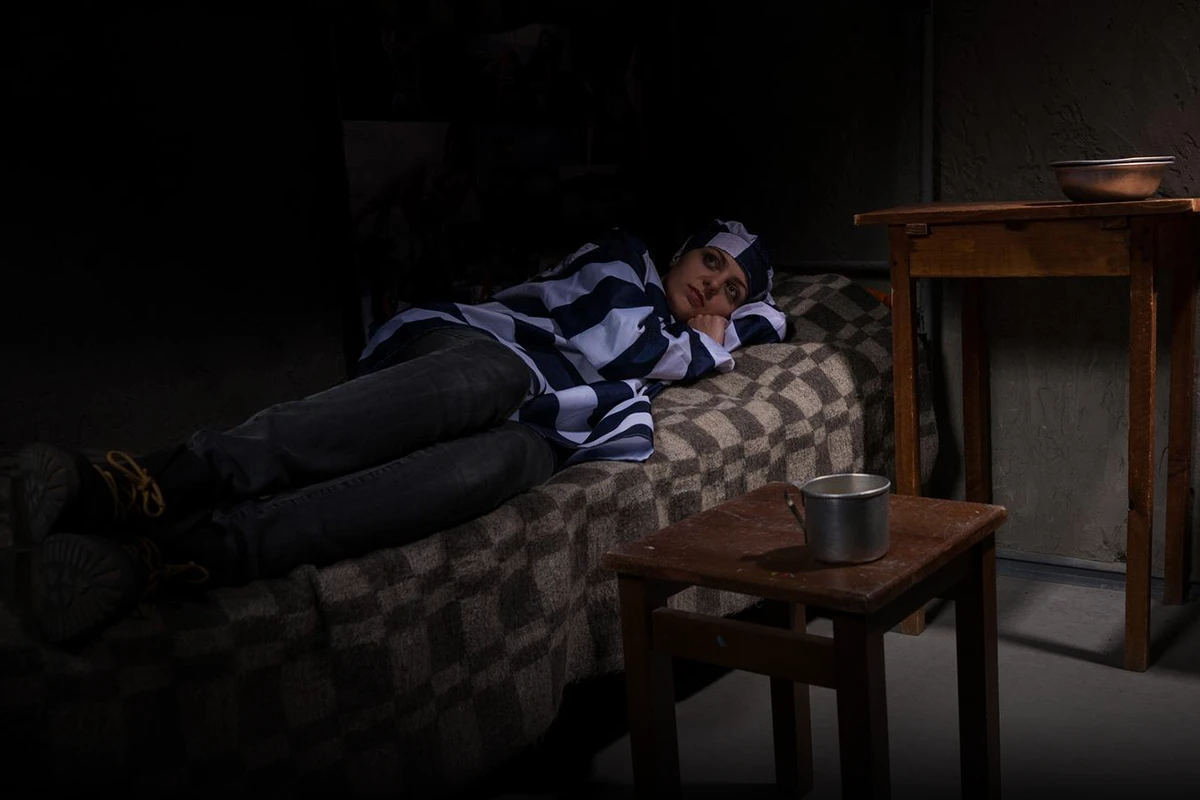
Thanatophobia can affect one’s emotions and psyche. The definition of thanatophobia is the fear of death. Individuals with thanatophobia have a preoccupation with death, dying, loss of dear ones, and sometimes issues related to life and death. This causes individuals to feel anxious and have obsessive thinking, helplessness, and the inability to appreciate the little things in life. On occasions, it may be out of control, causing the individual more stress and emotional depletion.
Death anxiety can lead to difficulty concentrating, sleeping, and maintaining emotional stability. Certain people may suffer from panic attacks, irritability, restlessness, or bodily manifestations such as heart palpitations, dizziness, muscular tightness, and breathlessness while faced with stimuli related to death. The Fear of death may also cause the individual to engage in avoidance behaviors, seek reassurance, and become more aware of their own body and health. The long-term effects of death anxiety can adversely affect an individual’s quality of life and increase the possibility of acquiring other psychological conditions, including generalized anxiety disorder, panic disorders, obsessive-compulsive disorder, or depression.

Common Thanatophobia Symptoms and Behavioral Signs
Thanatophobia can influence people in terms of their emotions, their physical reactions, and even how they behave, with the thanatophobia symptoms of such being from very light anxiety to severe anxiety that makes it hard for one to cope with daily activities. Amongst the common thanatophobia symptoms is the constant fear of dying, being ill, or losing loved ones. It could also mean always thinking about death, worrying too much about the future, and not wanting to talk about death. Some possible thanatophobia symptoms are:
- Fear of dying
- Thoughts about death or mortality
- Anxiety attacks
- Heart palpitations
- Sweating, or lightheadedness
- Insomnia or fears of dying while asleep
- Avoiding medical facilities, funerals, or conversations about death
- A compulsive need for assurance about personal well-being
- Increased sensitivity to bodily functions or sensations
- Trouble concentrating because of anxiety and distress that affects everyday activities
If the fear of dying phobia affects one’s emotions, relationships, work duties, or general well-being, seeking professional help might help them understand the problem better and find better ways to cope.

Factors That May Contribute to Death Anxiety
Thanatophobia may be caused by various issues, such as psychological, emotional, environmental, and even life-related issues. Experiences that involve sickness, grief, trauma, or the death of a close friend or relative may cause a person to be fearful and vulnerable concerning death. Any event related to the death of a person may trigger more fear in a person’s life. While the fear of dying phobia is common among humans at certain periods in life, anxiety may occur if the thought of death overwhelms the individual’s mind.
Mental conditions may cause an escalation in the phobia of death. Individuals experiencing general anxiety disorder, panic disorder, obsessive-compulsive disorder, depression, illness anxiety, and post-traumatic stress disorder have fears about uncertainty, uncontrollability, or their bodily health. The personalities that may worsen the phobia of death include perfectionists, sensitive individuals, and overthinkers. With knowledge of the causes of thanatophobia, it will be easier to spot circumstances that may cause the disorder.
The Connection Between Thanatophobia and anxiety disorder
Thanatophobia may be associated with anxiety disorders, since it could occur in cases where the person is afraid of death continuously and cannot get rid of such thoughts. Generalized anxiety disorder involves constant worrying about the person’s own safety and well-being in terms of being sick or having problems in the future. Moreover, it could happen as a result of panic disorder because people tend to experience very disturbing physical sensations, like chest tightening, dizziness, palpitations, and shortness of breath.
It is also important to note that obsessive-compulsive disorder and illness anxiety disorder can lead to constant contemplations regarding death, disease, or physical problems. Many people tend to become preoccupied with seeking reassurances, searching for signs on the internet, or paying too much attention to their bodies as a way of coping with their intense fear of becoming ill or dying suddenly. Furthermore, it is important to understand that depression and post-traumatic stress disorder can elevate one’s emotional distress in response to grief, despair, trauma, and vulnerability.

Thanatophobia Treatment and Evidence-Based Therapeutic Approaches
The approach to thanatophobia therapy involves teaching people how to deal with their anxiety more effectively and control their thoughts while building healthy emotional responses towards their phobia of death and uncertainty. The form of therapy may vary depending on the intensity of thanatophobia symptoms, psychological issues, personal experiences, and the level of emotional turmoil experienced by an individual daily. The guidance provided by mental health experts would help people understand their anxious thought patterns and create a safe environment for emotional recovery.
Some treatment modalities used for the thanatophobia treatment may involve:
- CBT to challenge the thought patterns that cause fear
- Exposure therapy to lessen the anxiety reaction towards stimuli associated with death
- Mindfulness and grounding techniques to enhance emotional regulation and presence
- Stress management techniques to lower feelings of stress and anxiety
- Pharmacological treatment if anxiety severely impacts one’s ability to cope
- Emotional treatment aimed at helping one process emotions and develop coping mechanisms
For those who suffer from such disorders related to their feelings or emotions, like anxiety, panic attacks, emotional disturbance, and fear, the compassionate mental health services available at Mid Cities Psychiatry may be of great assistance.

Long-Term Coping Strategies for Managing the Phobia of Death
The treatment for thanatophobia involves the use of certain approaches that are necessary for helping one achieve emotional equilibrium and decrease their levels of anxiety. The development of good habits, maintaining social relationships, and developing skills for managing stress may help one cope with fears about mortality. While it is normal to experience death anxiety sometimes, knowing how to respond to such thoughts may be helpful.
The potential coping mechanisms for this individual could include:
- Being mindful of and practicing mindfulness techniques
- Steering clear of excessive consumption of information, which causes anxiety
- Having a routine for sleeping and hygiene practices
- Recording their anxious experiences and feelings through journaling
- Practicing regular physical activity and relaxation techniques
- Surrounding themselves with people who foster healthy relationships and communication
- Seeking out mental health practitioners when needed
A blend of these two would help build emotional strength in the individual.
Thanatophobia FAQs
Exposure therapy could be helpful for thanatophobia to overcome the reactions of anxiety resulting from death-related stimuli and ideas in a safe and controlled setting. The use of exposure therapy is usually accompanied by other forms of therapy, such as cognitive-behavioral therapy, among others.
The practice of mindfulness could be used to help one cope with intrusive thoughts and emotions caused by the fear of death through developing positive attitudes towards such emotions and practicing relaxation and awareness of the present moment.
Some of the anxiety disorders that are associated with thanatophobia include generalized anxiety disorder, panic disorders, obsessive-compulsive disorder, illness anxiety disorder, and post-traumatic stress disorder.
An extreme fear of dying phobia might cause insomnia, panic attacks, inability to concentrate, emotional fatigue, avoidance tendencies, and higher levels of stress. Long term anxiety might lead to poor functioning in all areas of one’s life, including personal life, workplace, and social circles.
It could be helpful to consult with a professional for psychological counseling when fear of death becomes chronic, emotionally debilitating, or starts causing difficulties in everyday life, interpersonal interactions, emotional regulation, and general quality of life.
Conclusion for Thanatophobia
Severe thanatophobia may affect the patient’s emotional stability, functioning, and quality of life if they possess an intense phobia of death. Although the occasional worry about mortality is a rather typical experience among many individuals, constant worries regarding death may cause psychological distress, panic attacks, intrusive thoughts, avoidance behavior, and difficulty completing daily activities. Recognizing the symptoms of thanatophobia, both emotional and behavioral, is one of the ways to identify the need for additional intervention to address this issue.
Mental health care services provided by professionals, scientifically backed-up therapeutic approaches, adequate coping strategies, and treatment approaches can help patients with thanatophobia control their fear of dying and uncertainty. Mid Cities Psychiatry provides top-notch psychiatric care and consultation intended to improve emotional well-being and reduce anxiety.
Revision History
Author

Dr. Sacha Cohen
Medical & Clinical Educator
Dr. Sacha Cohen is a healthcare professional and medical content writer with experience in clinical training and academic writing. She specializes in creating research-based, accessible healthcare content. With a foundation in medical education and hands-on clinical practice, she brings depth and clarity to every piece she writes. Passionate about making medical knowledge understandable, she aims to educate and inspire her readers.

Dr. Kazi, Seema
Dr Seema Kazi is a board-certified psychiatrist and a proficient Medical Director of Mid Cities Psychiatry at Euless, Texas.
Fact Checker

Dr. Seema Kazi
Founder & Medical Director
Dr. Seema Kazi is the compassionate force behind Mid Cities Psychiatry, where her vision has shaped a practice rooted in empathy, excellence, and patient-centered care. As a triple board-certified psychiatrist in Psychiatry, Geriatric Psychiatry, and Internal Medicine, Dr. Kazi brings over 20 years of clinical experience to her leadership role.