How Does Technology Affect Mental Health?


It is the era of digital technology. Laptop, PCs, IPad, tablets, smart phones. You name it, we have it. Youngest of the children and eldest of the adults are well aware and exposed to technology in the current era. Tiktok, Instagram, Facebook, WhatsApp. Can’t live without it. Gone are the days of simply shutting down the PC and stepping away. Day to day simple activities like grocery shopping, travel and communication is solely dependent on technology. It has become an integral part of our lives. We use it at home, work, office and even school curriculums are highly dependent on technology.
However, there is a very thin line between use of technology and internet addiction. Excessive screen time can have detrimental effects on our mental health. Problems like depression, anxiety and sleep issues can arise due to excessive use of screens. Balancing the need for connection and excessive screen time can prove to be very challenging. The constant flow of notifications and staying updated on the reels can be very overwhelming and result in mental exhaustion and burn-out.
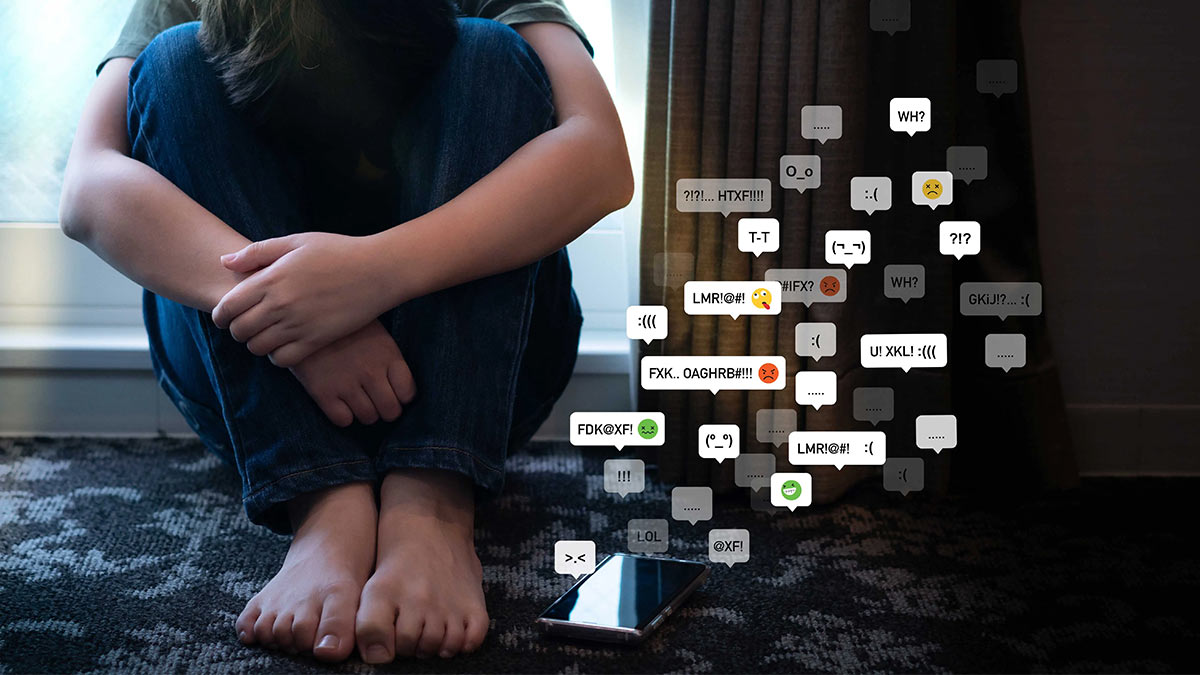
FOMO (fear of missing out), cyberbullying, comparison culture, sedentary lifestyle, reduced attention span, information overload, social isolation, dependency and addiction are some of the other negative effects of digital technology in the current era. Comparison even if on a sub-conscious level with the influencers on Instagram and Tiktok leads to negative effects on mental health. Causing low mood, excessive pessimistic thought, decreased self-esteem and a questionable self-worth.
Table of Contents
Technology: a force for good or a threat to mental health?
Despite having negative effects, digital technology can be used for the better as well. It is a highly debate-able topic if technology is the force for good or a threat to mental health. Anything when used excessively or mindlessly can have negative effects. Similar is the situation with technology. Excessive and inappropriate use of technology can result in self-harm and suicidal ideations and a remarkably decreased quality of life. However, in today’s era life without technology seems highly impossible. Technology will continue to play an essential role in our lives also with the advent of artificial intelligence many of our daily life activities are dependent on it. With continued advancement of technology people have access to more information, better communication and increased convenience in life and day to day activities.
Furthermore, technology can be used as a tool to enhance mental health through resources such as Artificial Intelligence powered chatbots, Interpersonal Communication Technology interventions, mental health apps, online therapy, virtual and augmented realities, and digital phenotyping of mental health. But increased reliance on digital technology continues to bring new challenges to mental health; previously unheard of.
Technology is an inherently powerful force and its impact on mental health is a multi-faceted issue. Either it’s a force for good or threat to mental health is largely dependent on how it is used. Mindfully or mindlessly. Plus, the level of balance that it has in our lives also contributes to it being a force of good or detrimental effect on our lives. As a force of good, it gives us access to limitless information and possibilities of support.
It provides us with social connection especially those who are geographically distant or physically isolated. Social media and platforms also advocate mental health and propagate mental health awareness by providing reliable information in a matter of seconds. Many apps have been designed which incorporate evidence based therapeutic techniques like Cognitive Behavioral Techniques to help people better manage their anxiety, depression, stress and cognitive distortions. These tools provide people mental health support in a self-guided manner.

Role of mental health counselors in the managing impact of technology on mental health
Counselling is a vital part of psychiatric and psychological health. Many of the psychiatric conditions like depression, anxiety, Obsessive compulsive disorders and even psychoses benefit from both medications and psychotherapy which includes counselling, psycho education, informational care to the client and families. One cannot work without the other.
Medications alone cannot treat these conditions. In a similar manner counselling cannot provide long term solution to these problems. Both go hand in hand. Multi-modal approach to psychiatric and psychological problems (medications plus counselling) provide long term and long lasting solutions. Chances of relapse decrease significantly. Tele-therapy gained significant momentum in the era of pandemic. When people were isolated and were not allowed to step out to contain the pandemic; tele-therapy came as a form of relief to people suffering from effects of isolation and being bound at home 24/7.
Tele-therapy has also provided significant amount of mental health care to people who cannot reach counsellors in person or to people living in inaccessible rural areas. Emerging technologies in the current era has the potential to provide flexible and individualized mental health support, decreasing barriers to accessing mental health care and offering insights to into mental well-being of individuals and populations.
Recent times have witnessed a rapid emergence of technology with day to day advancements in assessment, monitoring and management of mental health and for overall improvement of mental well-being of an individual. The shift to this new
contact less form of mental health support was accelerated by COVID 19 due to the pandemic’s psychological effects on the masses which included depression, anxiety, stress and self-harm ideations secondary to social isolation, bereavement and loss of loved ones. Even after the pandemic is over people seem to prefer these online mental health solutions due to the ease and comfort that it comes with.
Being connected with a mental health provider from the comfort of your own bedroom is what many people crave for. The demand for technological forms of mental health support has grown over the recent years especially amongst adolescents and young adults. Investment in mental health technology is also on the rise. Smartphone apps can offer flexible support, tailored to individual’s lifestyles and needs. Some apps are designed to improve well-being through activities such as meditation, self-help exercises, and mood tracking and self-check in practices using the Plutchiks Wheel of Emotions. Others use artificial intelligence (AI) to operate a Chabot and simulate conversations with users in order to provide assessments and suggestions to improve wellbeing.
Mental Health Counsellors using digital platforms can educate clients on healthy technology use in this era of digitalization. They can utilize technology for therapy and support via tele health services, mental health apps and support groups for people suffering from similar problems.
Counsellors can aid the clients in navigating social media use and digital relationships via social media detox and boundary setting, building healthy digital boundaries and how to navigate cyberbullying and online harassment by processing these negative experiences, re build self-esteem and develop positive coping strategies. Counsellors also play a pivotal role in addressing technology addiction and over use via behavioral techniques and addiction therapy. Counsellors can help raise awareness about mental health issues related to digitalization by propagating digital literacy in the clients.
This involves understanding how online content, such as media consumption, news, and advertising, can influence mood and self-perception. Counsellors assist clients in recognizing harmful content on online platforms and promoting critical thinking and the emotional impact on mental health, promoting awareness and healthy content consumption.
Counselors can provide guidance and mental health support by integrating technology into therapy by using virtual resources, journaling apps or even virtual reality tools in some cases like PTSD to provide ERP (Exposure Response and Prevention Therapy) to clients. They must be an advocate for ethical and responsible use of technology by ensuring data security, confidentiality and ethical online practices which is beneficial to all. With their expertise, counselors can empower individuals to harness the positive aspects of technology while mitigating the negative impacts on mental health. To learn more about the available options, visit our mental health treatments page. mental health treatments that it comes with.
- The researchers at Drexel University found that 75 percent of the participants’ cortisol levels lowered during their 45 minutes of making art.
- Another study from Harvard Health also highlights how art activities improve mood by increasing dopamine levels (the “feel-good” chemical), and enhance emotional resilience.
- The American Art Therapy Association describes art therapy as a bridge between the conscious and subconscious mind, helping people understand and process complex feelings.

Can technology have a negative impact on mental health?
In addition to all the positive effects of digital tools, technology also has negative impact on mental health. Prolonged, excessive and mindless use of technological devices can lead to mental health problems, like depressive symptomatology, generalized anxiety symptoms and stress related problems. Heavy use of social media can result in decreased self-esteem and self-worth. Also it results in increased risk of mental health issues. Overuse of technology comes with a price. Over use of devices results in eye strain, difficulty focusing and concentrating and depression. Overuse of technology has a more severe impact on developing children and teenagers.
psychological effects of digital era include, less human-human interaction resulting in social isolation. Depression and anxiety are also a result of excessive use of technology. While there does appear to be a link between use of technology and mental health impact; the main contributing factor appears to be the type of interactions people are having on these platforms. Physical health effects include eye strain contributed by screen time, screen glare, screen brightness, viewing the screen from too close, poor sitting posture while using screens plus underlying vision issues. Using screens too close to bedtime also causes sleep related issues and declines the quality of sleep. Poor sleep quality contributes to an overall negative impact on mental health.

Internet addiction: how does the internet affect mental health?
Internet addiction refers to an unhealthy, excessive use of the internet, often leading to neglect of other aspects of life such as work, school, social relationships, and physical health. It’s characterized by the compulsive need to stay online, leading to problems in daily functioning. This addiction often manifests through activities like excessive social media use, online gaming, pornography, or constant web browsing. Impact of internet addiction on mental health includes anxiety, stress, depression, sleep disturbances, decreased attention span, addiction and dependency, cyberbullying and online harassment and ironically social isolation.
Excessive internet use results in heightened levels of psychological arousal resulting in little sleep, failure to eat for prolonged periods, limited physical activity, leading the user to develop mental health problems plus physical health problems due to sedentary lifestyle. Excessive internet use has been consistently linked to depression and anxiety. Spending excessive time on online platforms especially social media apps can result in low mood, feelings of inadequacy, hopelessness, comparison and social isolation. Digital addiction also leads to structural changes in brain reduced grey and white matter volume in various regions which involve executive functioning, processing reward and sensorimotor activities impacting cognitive capabilities.
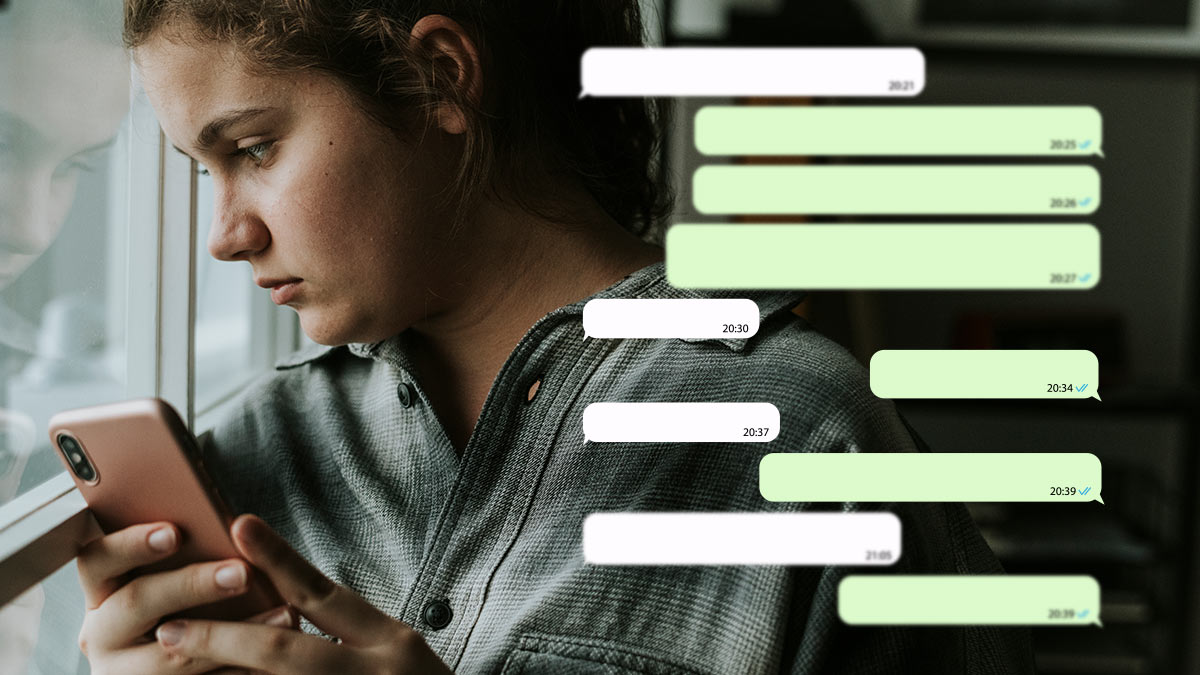
Social media can negatively impact our overall wellbeing by fueling anxiety, depression, sense of loneliness, and FOMO (fear of missing out). These issues are more prevalent amongst teens and young adults. However, seeing the current trends we can assume that social media is here to stay specially which the recent influencer culture.
Also, in the coming times it will continue to evolve and become more invasive. Social media has revolutionized how we communicate, share information, and connect with others. With billions of users worldwide, platforms like Facebook, Instagram, Twitter, TikTok, and LinkedIn are a central part of daily life. While social media offers opportunities for social connection, information exchange, and entertainment, its impact on mental health has become a topic of growing concern. The psychological effects of social media can be both positive and negative, depending on how it is used and the individual’s relationship with it.
Positive impacts of social media on mental health include social connection and support, awareness about mental health, educational and self-help content plus community building by bringing people together with similar struggles or passions. Negative impacts of social media on mental health comprises of increased anxiety and depression, cyberbullying and online harassment, fear of missing out, disruption in sleep- wake cycle, social comparison and self-esteem issues, addiction and over use.
Negative effects of excessive social media use can be mitigated by setting healthy boundaries, engaging in positive online communication, practicing time to time digital detox, limiting exposure to harmful content and being mindful about social comparisons.
While social media has revolutionized how we communicate, share information, and connect with others, it has also brought numerous challenges for mental health. The impacts of social media on mental health are complex, with both positive and negative effects. On the positive side, social media offers opportunities for connection, mental health awareness, and educational content. However, excessive use, social comparison, cyberbullying, and FOMO can contribute to anxiety, depression, and other mental health issues.
By setting healthy boundaries, curating a positive online environment, and practicing digital detox, individuals can mitigate the harmful effects of social media on mental health. The key is to engage with social media mindfully and in a way that enhances well-being rather than detracts from it.
Frequently Asked Questions
Excessive screen time can negatively impact mental health by aggravating anxiety, depression, and stress. It disrupts sleep patterns, causes social isolation, and decreases attention span. Excessive use also leads to digital addiction, physical issues like eye strain, and can contribute to low self-esteem and poor cognitive ability.
Yes, technology can positively impact mental health by providing access to mental health apps, tele therapy, and AI-powered tools. These resources offer self-help techniques, virtual support, and remote counseling, making mental health care more accessible to all. Technology also promotes mental health awareness and aid individuals manage stress, anxiety, and depression effectively.
Social media can negatively impact mental health by fostering anxiety, depression, and low self-esteem due to constant comparison, cyberbullying, and FOMO (fear of missing out). Excessive use can disrupt sleep and increase feelings of isolation. However, it can also provide support and awareness when used mindfully.
Individuals can protect their mental health by setting boundaries on screen time, taking regular digital detoxes, and curating positive online environments. Practicing mindful use of technology, limiting exposure to harmful content, and using mental health apps or tele therapy for support can help maintain a balanced and healthy relationship with technology.
Conclusion
In conclusion, technology’s impact on mental health is multifaceted, with both positive and negative effects that are largely dependent on how we use it. On one hand, technology provides limitless access to information, support, and connectivity, helping individuals manage mental health through tools like mental health apps, tele therapy, and AI-powered interventions. These advances have opened new doors for treatment and mental health support, particularly during challenging times like the COVID-19 pandemic. On the other hand, excessive and mindless use of technology can lead to significant mental health concerns. Internet addiction, social media comparison, cyberbullying, and disrupted sleep patterns are just a few of the risks associated with excessive screen time. The constant stream of information, notifications, and digital interactions can contribute to feelings of being overwhelmed, anxiety, depression, isolation and ultimately burn-out.
Technology itself is neutral; its effects on mental health depend on how we interact with it. By practicing mindful use, setting healthy boundaries, and integrating technology in ways that enhance our well-being, we can navigate its negative effects while reaping its benefits. As technology continues to evolve, it’s crucial that we stay informed, adopt a balanced approach, and use digital tools responsibly to protect and promote our mental health. In navigating this digital era, both individuals and mental health professionals have a vital role in ensuring that technology serves as a force for good rather than a detriment. The key lies in balance, awareness, and responsible usage; empowering individuals to harness the positive aspects of technology while safeguarding their mental well-being.
Revision History
Author

Dr. Sacha Cohen
Medical & Clinical Educator
Dr. Sacha Cohen is a healthcare professional and medical content writer with experience in clinical training and academic writing. She specializes in creating research-based, accessible healthcare content. With a foundation in medical education and hands-on clinical practice, she brings depth and clarity to every piece she writes. Passionate about making medical knowledge understandable, she aims to educate and inspire her readers.

Dr. Kazi, Seema
Dr Seema Kazi is a board-certified psychiatrist and a proficient Medical Director of Mid Cities Psychiatry at Euless, Texas.
Fact Checker

Dr. Seema Kazi
Founder & Medical Director
Dr. Seema Kazi is the compassionate force behind Mid Cities Psychiatry, where her vision has shaped a practice rooted in empathy, excellence, and patient-centered care. As a triple board-certified psychiatrist in Psychiatry, Geriatric Psychiatry, and Internal Medicine, Dr. Kazi brings over 20 years of clinical experience to her leadership role.